
FDA Embraces Drug Affordability in Fast-Track Approval Incentives
Introducing a Voucher Program That Rewards cost-Effective Medications
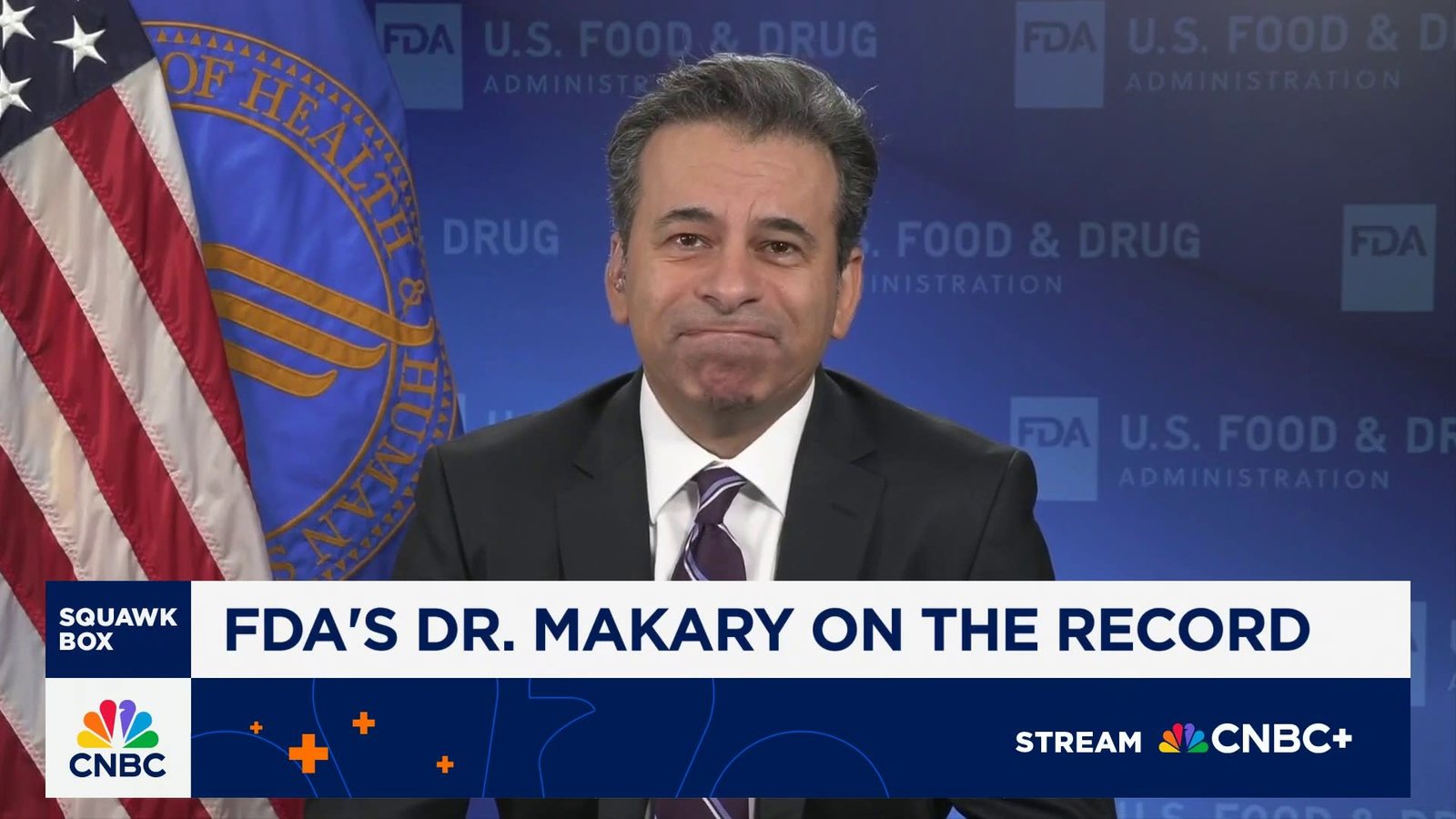
The Food and Drug Administration (FDA) has revamped its accelerated approval incentives by incorporating drug affordability as a key criterion for awarding priority vouchers. This strategic update, confirmed by FDA Commissioner Marty Makary, signals the agency’s commitment to fostering innovation while ensuring medications remain financially accessible to patients.
Streamlining Drug Reviews to Serve National Interests
Earlier this year, the FDA launched a national priority voucher program designed to slash drug review times dramatically-potentially reducing them from several months down to just 30 or 60 days.The initiative targets pharmaceutical companies developing treatments that address urgent public health challenges or bolster domestic manufacturing capabilities. While initial announcements emphasized innovation and public health impact,affordability is now explicitly recognized as an essential factor.
Affordability Joins the Ranks of National Health Priorities
“Ensuring affordable access to medications is now central to our mission,” stated Makary, highlighting how this policy shift aligns with broader efforts aimed at curbing soaring prescription drug costs in the United States. With americans spending over $450 billion annually on prescriptions-a figure projected to rise-this move aims at easing financial burdens without stifling medical progress.
The Political Landscape Shaping Drug Pricing Policies
This renewed focus on cost-effective pharmaceuticals coincides with ongoing governmental debates about reshoring pharmaceutical production through measures such as imposing tariffs up to 200% on imported drugs. These policies seek not only price control but also supply chain resilience amid global disruptions like those experienced during recent pandemics and geopolitical tensions.
Targeting Breakthrough Treatments for Critical Conditions
Marty Makary emphasized several therapeutic areas where expedited approvals could revolutionize patient outcomes: pioneering cures for Type 1 diabetes; advancing therapies against neurodegenerative diseases such as Parkinson’s; developing universal vaccines capable of combating multiple influenza strains simultaneously; and enhancing treatment options for metastatic cancers resistant to conventional therapies.
Governance and Criteria behind Voucher Allocation
A specialized committee will oversee voucher distribution during an initial pilot phase launching this year. The evaluation process will weigh factors including clinical benefit magnitude, affordability metrics, and alignment with national health priorities-ensuring that accelerated reviews do not compromise safety or efficacy standards.
- Pilot Phase: A limited number of vouchers awarded based on rigorous assessments emphasizing both cost-effectiveness and public health impact.
- potential expansion: Depending on pilot results, the program may broaden its scope in subsequent years with increased voucher availability.
- Cautionary Notes: Experts warn about risks tied to drastically shortened review periods-from typical multi-month evaluations down to approximately one month-which could challenge thoroughness in safety assessments.
- Openness Concerns: There are apprehensions regarding political pressures potentially influencing impartiality in voucher decisions under current administrative dynamics.
the Program’s Role in Strengthening U.S. pharmaceutical Manufacturing
This innovative voucher system may prove more effective than tariff-based approaches at incentivizing pharmaceutical companies to expand domestic production capacity-a critical need underscored by supply chain vulnerabilities exposed during crises like COVID-19. By rewarding firms that deliver both innovative treatments and affordable pricing within U.S.-based operations, policymakers aim to enhance national security while improving patient access nationwide.
“Why must it take so long for groundbreaking drugs to reach those who need them? We require new frameworks that accelerate delivery without compromising quality,” remarked Commissioner Makary regarding ongoing FDA reforms focused on balancing speed with safety.”
A forward-Looking Approach Centered on Accessible Innovation
The inclusion of affordability within accelerated approval programs represents a transformative shift reflecting growing societal demands for equitable medication pricing alongside scientific breakthroughs. As this initiative progresses over the coming months,healthcare stakeholders will closely observe its success in achieving faster approvals coupled with meaningful reductions in out-of-pocket costs for American patients nationwide.