Transforming Transportation: Navigating the Future of Mobility Technology
The transportation sector is undergoing a profound transformation as companies respond to shifting consumer preferences,regulatory landscapes,and rapid technological progress. With electric vehicle (EV) sales growth slowing and goverment subsidies diminishing, industry giants like GM and Tesla are adopting markedly different strategies to maintain their competitive edge amid tariff challenges and evolving market demands.
Contrasting Approaches: GM’s Adaptive Production versus tesla’s AI-Driven Vision
General Motors, despite facing a $1 billion tariff-related loss in the second quarter, remains firmly committed to electrification as a core pillar of its future. Even though it trails behind Tesla in total EV units sold, GM boasts an extensive lineup with more than twelve electric models available. Chevrolet has emerged as the second most popular EV brand in the United States by volume.
A central element of GM’s strategy is manufacturing versatility.CEO Mary Barra and CFO Paul Jacobson emphasize retooling factories so they can seamlessly switch between producing internal combustion engine (ICE) vehicles and electric models based on real-time market demand fluctuations. This adaptability aims to mitigate risks associated with supply chain disruptions or sudden shifts in consumer preferences.
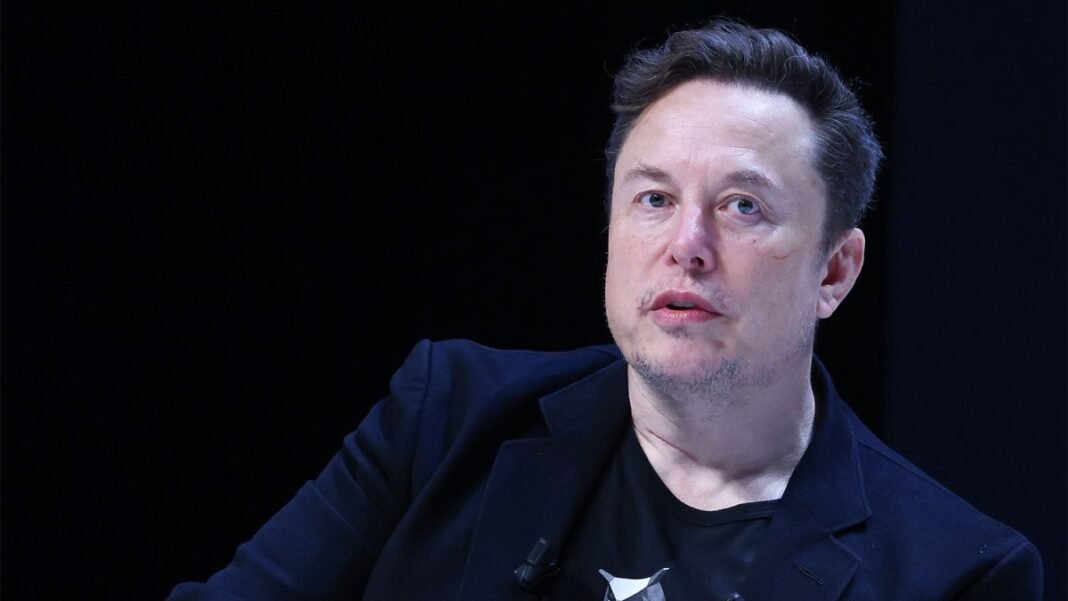
This pragmatic approach stands in stark contrast to tesla’s focus under elon Musk on pioneering artificial intelligence applications beyond conventional car manufacturing. While approximately 74% of Tesla’s revenue still comes from vehicle sales, recent quarterly reports reveal a 16% year-over-year decline in automotive income. Musk has acknowledged that upcoming affordable models will largely be simplified iterations rather than groundbreaking new designs.
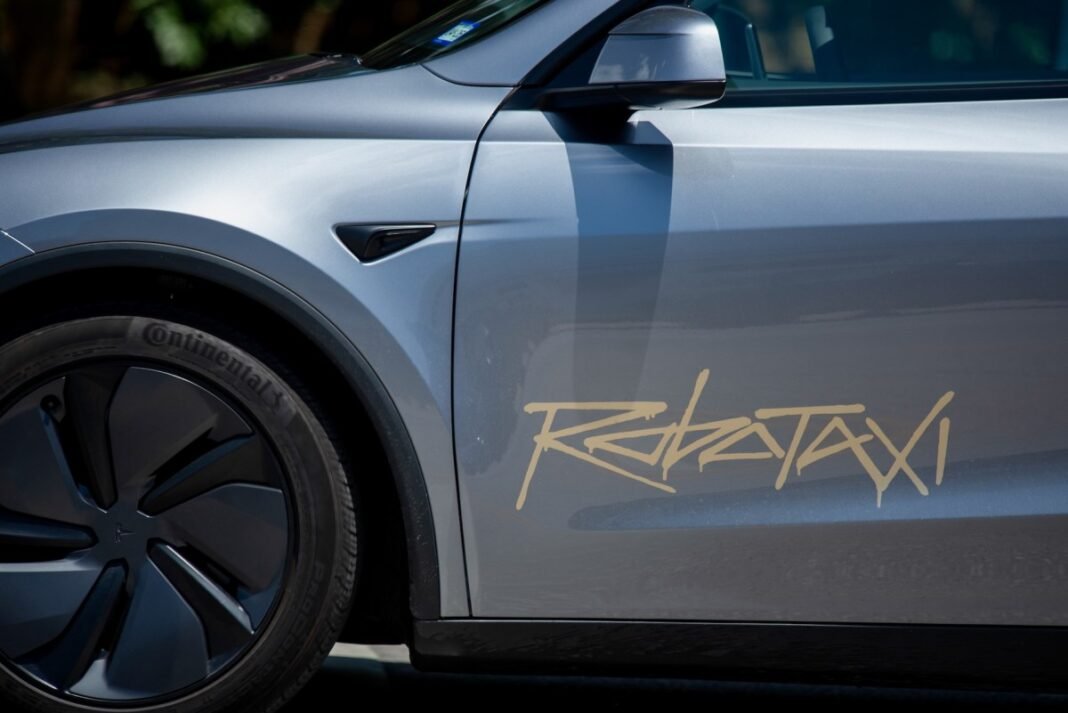
Musk envisions transforming Tesla into a technology leader centered around autonomous robotaxi fleets and humanoid robots such as Optimus. However,these ventures currently contribute minimal revenue or profit margins. The company has launched limited robotaxi pilot programs but faces meaningful hurdles before achieving scalable profitability or obtaining broad regulatory approval for widespread deployment.
The Roadblocks Ahead for Tesla’s Enterprising Shift
The timeline for mass-producing Optimus robots appears increasingly optimistic given recent delays compared to initial projections. Meanwhile, California regulators have intensified scrutiny over Tesla’s marketing claims related to Autopilot and full Self-Driving features-a dispute that threatens its ability to sell vehicles within one of its largest markets.
Musk anticipates challenging quarters ahead but remains confident autonomous technologies will eventually become primary profit centers for Tesla. Industry experts caution this transition may take substantially longer due to technical complexities and ongoing legal obstacles.
Recent Capital Infusions Accelerating Innovation Across Mobility Sectors
- Bosch Ventures led a $21 million Series B funding round for Munich-based 4screen, which enhances driver engagement by integrating automakers with brands through native vehicle displays tailored for modern infotainment systems.
- blockskye, focused on modernizing corporate travel infrastructure using blockchain technology, secured $15.8 million led by Blockchange alongside investors including United Airlines Ventures aiming at streamlining business travel logistics globally.
- Glīd Technologies, innovating autonomous freight transport solutions bridging road-to-rail logistics networks, raised $3.1 million pre-seed funding supported by Outlander VC among others seeking greener supply chains.
- Nevoya , dedicated to accelerating electric truck adoption through cost parity innovations against diesel alternatives, closed a $9.3 million seed round led by Lowercarbon Capital featuring investments from Applied Intuition founder Qasar Younis targeting enduring heavy-duty transport sectors.
- Rune Technologies , developing AI-powered military logistics software designed as an choice to outdated spreadsheet systems used across defense operations worldwide completed a $24 million Series A financing round led by Human Capital Partners with participation from top-tier venture firms including Andreessen Horowitz (a16z).
- Swift Navigation , provider of centimeter-level satellite positioning critical for robotics autonomy across global logistics industries raised $50 million Series E funding led by Crosslink Capital supporting international expansion efforts into emerging markets requiring precise navigation capabilities.
Evolving Trends Shaping Autonomous vehicles & Electric Mobility Ecosystems Today
Smoother Integration of Autonomous Shuttles Within Urban Transit Systems
Lyft will deploy self-driving shuttles manufactured by Austria-based Benteler Group starting late 2026 through partnerships with U.S cities and airports-signaling growing acceptance of autonomous public transit solutions aimed at reducing urban congestion while enhancing last-mile connectivity nationwide.
Tesla Supercharger network Opens Doors Beyond Its Own Fleet
LUXURY EV manufacturer Lucid Air owners are set soon gain access across thousands of North American Tesla Superchargers after nearly two years since their agreement was finalized-although charging speeds remain slower compared with native Teslas due primarily to hardware compatibility differences impacting power delivery rates during fast charging sessions.
Diversifying Ride-Hailing Services Through gender-Specific Matching Features
Uber recently introduced women-only driver-rider matching options initially launching across Detroit , Los Angeles ,and San Francisco aiming at creating safer ride experiences within gig economy platforms while addressing rider concerns about personal security during nighttime trips.
Navigating Regulatory Challenges Impacting market Access & Growth Potential
The California Department of Motor Vehicles is contesting < strong >Tesla ‘s authorization selling cars statewide citing misleading advertising claims related specifically around Autopilot & Full self-Driving functionalities . this ongoing regulatory dispute could considerably impact one largest markets’ critical revenue streams .
< /blockquote >