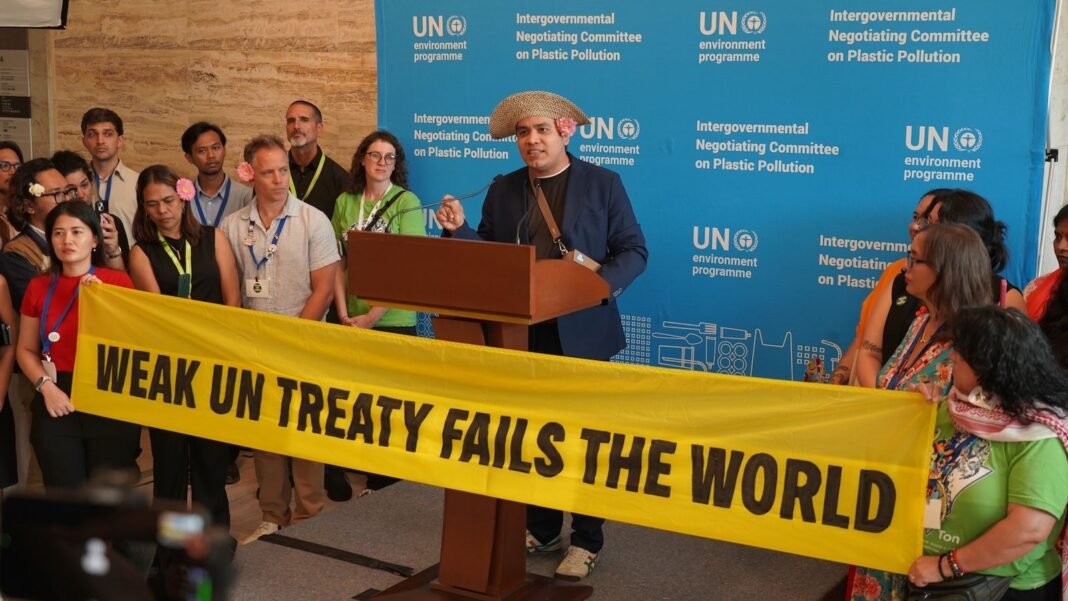
Geneva Talks on Global Plastics Treaty End Without Consensus
Negotiations Reach Deadlock After prolonged Discussions
Following nine days of rigorous debate and an overnight session stretching into early Friday, diplomats convening in Geneva were unable to finalize a global treaty addressing plastic pollution. the final plenary, postponed for over 15 hours and eventually held at 6:30 am, witnessed nearly unanimous rejection of the latest draft presented by Ecuadorian chair Luis Vayas Valdivieso.
Critics argued that the proposal failed to meet the expectations set by the UN Habitat Assembly resolution aimed at eradicating plastic pollution through thorough lifecycle measures. Norway’s chief negotiator Andreas Bjelland Erikse voiced profound disappointment: “It is with great regret that we leave Geneva without a treaty to end plastic pollution.” The session wrapped up shortly after 9 am with no fixed date for resumption.
The Road So Far: Context and Anticipated Outcomes
This round marked the fifth resumed session under United Nations efforts striving for a binding international agreement on plastics management. Delegates had hoped to conclude negotiations by Thursday but missed their initial target of completing talks within 2024. Previous hurdles during discussions in Busan, South Korea, foreshadowed this impasse.
The stalemate was apparent from early stages as countries clung to entrenched positions reminiscent of earlier meetings. A coalition dubbed the “like-minded group,” primarily composed of oil-exporting nations such as Bahrain, Iran, Kuwait, Saudi Arabia, and Russia resisted legally binding commitments including caps on new plastic production and mandatory disclosure about hazardous substances in plastics.
The Consensus Conundrum: How Decision-Making Hampered Progress
A major obstacle throughout these talks has been reliance on consensus-based decision-making rules. This system empowered any single nation or bloc-especially those within the like-minded group-to stall progress without needing compromise themselves. Observers compared this repetitive deadlock atmosphere to a cycle where familiar arguments endlessly replay without advancement.
Instead of refining prior drafts developed during last year’s busan meeting, delegates introduced hundreds more amendments during Geneva sessions-further complicating prospects for agreement. Two successive drafts submitted by Chair Valdivieso were rejected outright; one was described disparagingly as “unacceptable” due to lack of substantive content while another released just hours before Friday’s plenary also failed to gain traction.
Calls Grow Stronger for Reforming Negotiation Mechanisms
The ongoing impasse has intensified demands from various stakeholders advocating changes in how decisions are made within these negotiations. Critics argue that unless majority voting replaces strict consensus protocols-which currently enable obstructionist tactics-the stalemate will persist indefinitely.
Bjorn Beeler, Executive Director of International Pollutants Elimination Network:
“This meeting demonstrated that consensus is no longer viable… The challenge remains unresolved.”
- Civil society groups staged silent demonstrations holding signs reading “Consensus kills ambition.”
- Fijian delegate Senimili Nakora stressed pursuing consensus only when it genuinely advances progress rather than hinders it.
- Switzerland’s Felix Wertli proposed temporarily halting negotiations due to diminishing returns from repeated sessions under current frameworks.
Lack of Clarity Undermines Trust Among Participants
Nations expressed frustration over opaque negotiation procedures marked by unclear guidance from organizing bodies overseeing these talks. Such nontransparency erodes confidence among participants working toward shared objectives amid complex geopolitical tensions surrounding plastics governance worldwide.
The viewpoint From UNEP Leadership
Inger Andersen, Executive director of UNEP (United Nations Surroundings Program), acknowledged that even though no treaty emerged this time around, clarifying national red lines laid critically important groundwork moving forward: “The work must continue as plastic pollution itself will not pause.”
Diverse Reactions From Stakeholders Following geneva Talks
The Plastics industry’s Position Post-Talks
The global plastics sector remains resistant toward stringent restrictions on production volumes or phasing out harmful additives but supports frameworks designed to keep plastics economically viable while reducing environmental leakage risks.
marco Mensink from the International Council of Chemical Associations reaffirmed commitment toward achieving workable agreements despite missing immediate action opportunities at this stage.
Civil Society and Environmental Advocates’ Response After Setbacks
Environmental organizations expressed both disappointment over stalled progress yet relief that weak compromises undermining critical protections-such as human health safeguards or just transition policies-were avoided.
They commended delegates who prioritized maintaining ambitious treaty goals instead of settling prematurely for diluted texts lacking enforceability or scope.
As an example:
- Ecosphere Guardians Collective: Advocates defending communities near chemical manufacturing zones emphasized feeling acknowledged despite setbacks.
- nations Indigenous Alliance:This North American nonprofit highlighted calls for inclusion around Indigenous rights consistent with international declarations alongside integration of customary knowlege systems.

Sidelining observer Voices During Final Plenary Highlights Tensions
< p > Despite weeks engaging youth activists , Indigenous leaders , waste pickers , and frontline community representatives throughout discussions , only one speaker – representing Youth Plastic Action Network – was allowed before abrupt closure requested by some delegations . This silencing underscored friction between official state priorities versus urgent grassroots demands . < h 2 > Looking Forward: Challenges Ahead For Treaty Ambitions
< p > Duty now lies with secretariat organizers tasked with scheduling future negotiation rounds likely postponed until next year . Meanwhile ,focus shifts toward December ‘s UN Environment Assembly where progress reports may influence whether powerful factions attempt narrowing mandates . Concerns persist about efforts led by Iran , Russia , Saudi Arabia among others aiming solely at post-consumer waste management rather than addressing full life cycle impacts including upstream production harms – potentially weakening overall effectiveness against pervasive global plastic crises .
< h 3 > Renewed Determination Among Campaigners To Curb Plastic Production
< p > Far from discouraged , many advocates report increased resolve fueled by recent experiences :
Jo Banner shared her strengthened commitment towards pushing legally binding limits on total global plastic manufacture:
< em >“Stopping excessive plastic production is vital-I’m more motivated than ever.”