Renewed Competition in the U.S. Smartphone Arena: Apple versus Samsung
The battle for supremacy in the U.S. smartphone sector between Apple and Samsung has intensified once again, with display size emerging as a pivotal factor. Back in 2014, Samsung gained momentum by introducing larger screen smartphones, compelling Apple to pivot from its traditional designs and launch the iPhone 6-a move that resonated strongly with consumers.
Current Market Trends and Shifting Shares
As of 2025, fresh shipment statistics highlight a resurgence of this rivalry: Samsung’s share of the U.S. market surged from 23% to 31% during Q2,while Apple’s dominance softened from 56% down to 49%. Despite this decline,Apple remains the leader in new smartphone sales domestically but now faces challenges not seen for over ten years.
This evolving landscape has also impacted investor confidence-Apple’s stock has dropped roughly 7.5% year-to-date, underperforming most major American tech companies except Tesla. In contrast, Samsung’s shares have climbed nearly 35% within the same timeframe.
Diverse Product Portfolios Driving Samsung’s Momentum
A significant contributor to Samsung’s growth is its wide-ranging product lineup catering to multiple price segments-from affordable models appealing to budget-conscious buyers up to premium devices priced above any single iPhone variant.
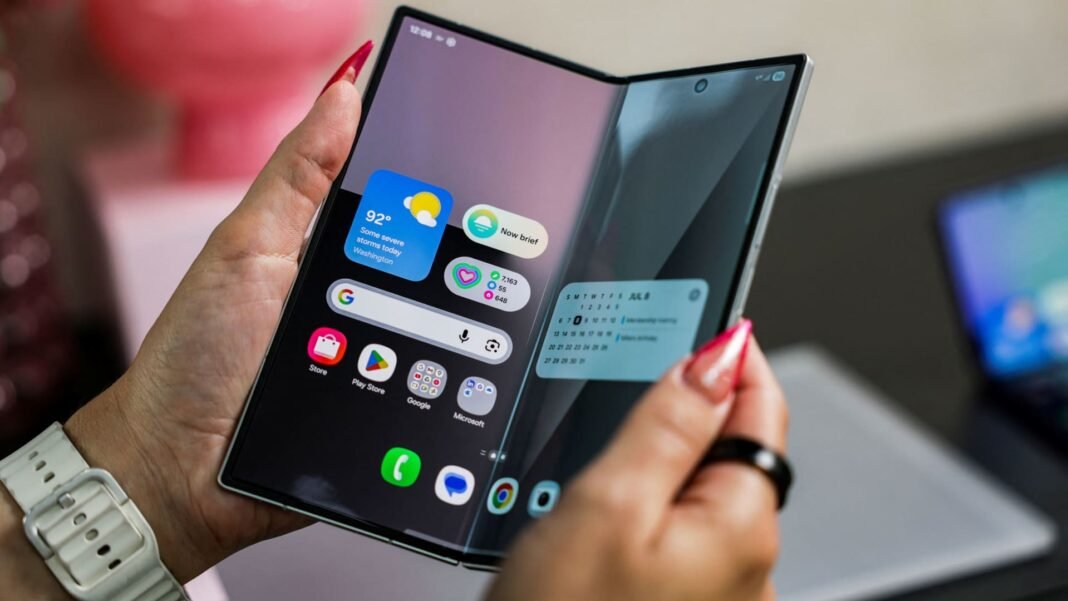
- The Galaxy Z Fold series starts at $1,999 for entry-level configurations and can escalate up to $2,419 for models with expanded storage capacity.
- The Galaxy S25 Edge targets users seeking sleek design combined with mid-tier pricing and lightweight form factors.
- This comprehensive approach enables Samsung to capture customers across all economic brackets effectively-an advantage industry analysts describe as meeting consumers “at every price point.”
Apple’s Strategy: gradual Innovation Coupled With new Designs
Since around 2017, Apple’s iPhone design has largely remained consistent-a rectangular touchscreen slab featuring multiple rear cameras-offered through four models ranging between $829 and $1,599. However,rumors indicate upcoming slimmer designs aimed at competing directly with features found on devices like Samsung’s Galaxy Edge series.
Looking ahead toward late 2026 or early next year, experts anticipate Apple’s debut foldable smartphone alongside the anticipated iPhone 18 lineup-with expected starting prices near $1,999-to challenge established foldables such as the Z Fold series head-on.
The Maturation of Foldable Smartphones
Samsung was an early pioneer in foldable phones back in 2019 but initially faced criticism due to durability concerns along folding creases highlighted by reviewers worldwide. Since then:
- The company asserts that current foldables are engineered without compromising sturdiness or user experience;
- The latest galaxy Z Fold 7 reportedly surpassed preorder volumes by approximately 25% compared with previous generations;
- Sales figures have improved dramatically-outperforming earlier models by nearly half according to internal data;
- User engagement on social media platforms reflects growing enthusiasm-with over fifty thousand mentions recently recorded-and overwhelmingly positive feedback regarding durability tests where devices endured hundreds of thousands of folds without failure.
“There really are no longer trade-offs when owning a foldable device,” stated Drew Blackard from Samsung Electronics America.
“Samsung successfully balances innovation while delivering products that stand apart.”
The Role of AI Integration in Enhancing device Experiences
The surge of artificial intelligence technologies is reshaping hardware trends beyond traditional smartphones:
- A notable advancement includes OpenAI acquiring a startup founded by former Apple designer Jony Ive for $6.5 billion earlier this year focused on next-generation AI-powered gadgets;
- Refined AI assistants like Google Gemini now offer capabilities far exceeding those available through current voice assistants such as Siri;
- Screens on folding phones enable enhanced multitasking environments ideal for AI-driven interactions-such as: circling objects onscreen triggers contextual searches displayed side-by-side alongside original content views;
This fusion between innovative form factors and advanced AI functionality positions Android-based foldables favorably compared with conventional candy bar-style handsets dominating Apple’s current portfolio.
Navigating Consumer Preferences Amid Technological Evolution
Certain investors express concern about delays surrounding Apple’s rollout of advanced AI features-including an upgraded Siri expected only next year-but strong brand loyalty may help maintain customer retention despite competitors offering novel experiences today.
Industry analyst Samik Chatterjee notes that historically Apple prefers waiting until technologies mature before mainstream adoption rather then rushing first-to-market launches.
“Apple prioritizes ensuring no major obstacles remain before fully embracing new technology,” he explained.
“Foldables appear ready now.”
This measured yet purposeful strategy could provide Apple time not only refine hardware innovations but also develop compelling software ecosystems supporting these emerging device categories.
An Overview Of Pricing Among Flagship Devices
- The top-tier iPhone 16 Pro Max ranges from $1,199 (256GB) up through $1,599 (1TB).
- samsungs’ Z Fold 7 , meanwhile begins higher at approximately $1,999 (256GB) climbing toward around $2,,419 (maximum storage).
- If forecasts hold true regarding pricing strategies surrounding forthcoming foldable iPhones launching within eighteen months-they may enter markets closely aligned financially against premium Android counterparts.
In conclusion: The ongoing contest between these two giants revolves not just around screen dimensions but increasingly focuses on pioneering form factors combined with bright software integration-all while adapting swiftly amid changing consumer demands within fluctuating economic conditions.