Worldwide Assistance and Military Support in the Ukraine Crisis
Diplomatic Initiatives and Security Assurances
Following extensive diplomatic negotiations aimed at resolving the Ukraine conflict, the President of the United States has proposed facilitating a summit between Russian President Vladimir Putin and ukrainian President Volodymyr Zelenskyy.even though Washington has ruled out deploying American troops on Ukrainian soil, it remains committed to offering Kyiv security guarantees, including potential air support to reinforce any peace agreements reached.
As part of its defense enhancement strategy, Ukraine plans to obtain US-made weaponry supplied through European intermediaries, with an estimated value near $90 billion.
Global Aid Landscape: Nations Backing Ukraine
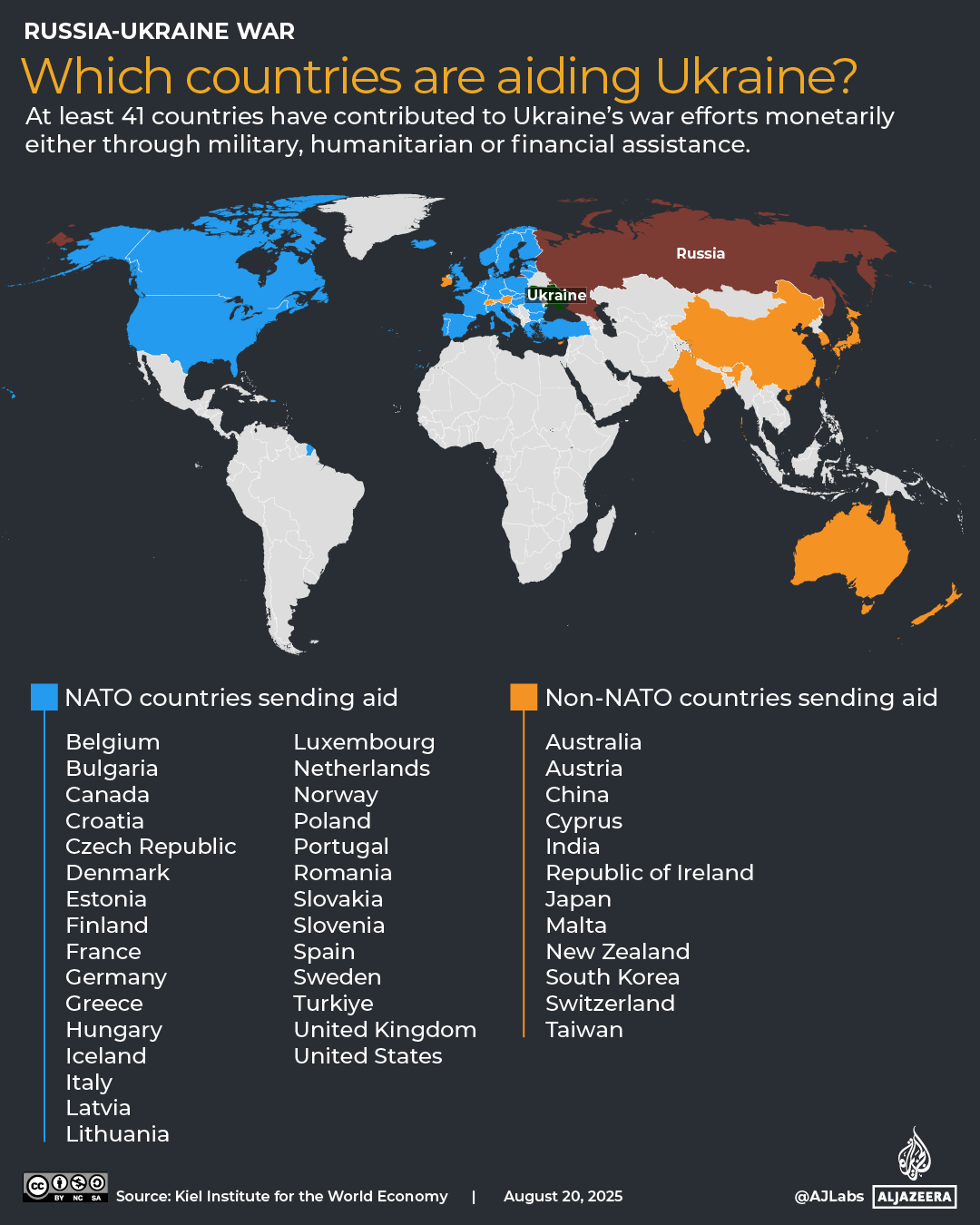
A total of 41 countries have contributed financial resources toward supporting Ukraine’s military efforts,humanitarian needs,or economic stability. This widespread assistance reflects data compiled by recent international economic studies.
The bulk of aid originates from NATO members-29 out of 32 alliance countries have provided funding or material support. Beyond NATO’s scope, nations such as Australia, Japan, South Korea, Switzerland, India, Taiwan, Austria, Cyprus and New Zealand have also extended monetary contributions.
The European Union plays a pivotal role through coordinated initiatives led by its Commission and Council institutions.
Total Assistance Delivered: Detailed Overview
The cumulative aid received by Ukraine surpasses €309 billion (around $360 billion), encompassing military hardware shipments; financial grants or loans for governmental functions; plus humanitarian relief for civilians:
- Military equipment: €149.26 billion ($174 billion)
- Economic support: €139.34 billion ($163 billion)
- Civilian humanitarian aid: €21.04 billion ($24 billion)
Top Donors: Leading Contributors Worldwide
The United States remains the foremost single donor with commitments totaling approximately €114.64 billion ($134 billion) from early 2022 through mid-2025:
- Tactical military assistance: €64.6 billion ($75 billion)
- Economic aid packages: €46.6 billion ($54 billion)
- Civilian relief funding: €3.4 billion ($4 billion)
The European Union follows closely with about €63.19 billion ($74 billion), while Germany (€21.29 billion / $25 billion), the United Kingdom (€18.6 billion / $21 billion), and Japan (€13.57 billion / $15 billion) are also significant contributors.
Pledged Versus Dispersed Aid: Clarifying Commitments
A clear distinction exists between pledged funds-promises made but not yet delivered-and allocated resources that are officially designated or transferred for use in supporting Ukraine’s defense and recovery operations.
Nations across europe have collectively allocated roughly €167.4 billions (about $195 billions), exceeding US allocations which stand near €114.6 billions (approximately $134 billions). Overall pledges amount to nearly €257 billions from Europe compared with around €119 billions pledged by the US side.
Evolving Patterns in US Military Support Over Time
An important transition occurred when American military assistance sharply declined under previous administrations after an initial surge; notably a final weapons package valued at half a billion dollars was approved shortly before new leadership assumed office.
This reduction followed tense diplomatic interactions during visits by Ukrainian officials to Washington D.C.,despite assertions that total wartime support exceeded $300bn-a figure debated among analysts but underscoring america’s status as top global donor.
Diverse Arsenal Supplied To Kyiv’s Forces
`
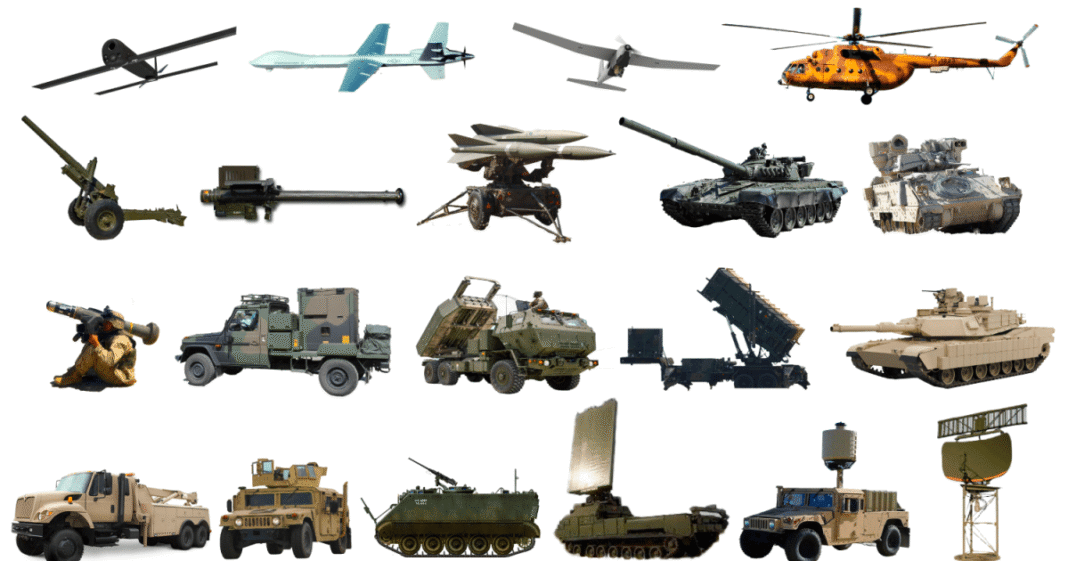
A wide range of weapon systems has been delivered by allied nations including armored vehicles such as tanks and infantry fighting vehicles; artillery units like howitzers; sophisticated air defense platforms; unmanned aerial drones; missile launchers; along with critical logistical gear necessary for sustained combat across multiple fronts.
`
- `
- Tanks primarily supplied by Poland exceed 350 units;
- The United States leads provision of infantry fighting vehicles (~305 units), howitzers (~201 units), air defense batteries (~18 systems), alongside HIMARS rocket launchers numbering about 41;
`
`
`
`The HIMARS system enables precision strikes capable of hitting targets within meters up to nearly 80 kilometers away-a transformative capability that helped halt enemy advances during key phases early in hostilities.`
`
NATO Defense Expenditure Trends Amid Heightened Geopolitical Strains
`
`
NATO continues deliberations on providing security assurances for Ukraine without direct troop deployments into conflict zones-a position firmly opposed by Russia’s foreign ministry regarding peace talks involving alliance forces’ presence.`
`In June this year alliance leaders agreed on aspiring plans aiming to increase collective defense budgets substantially over the next decade-targeting growth from current average spending near two percent GDP toward five percent GDP annually.`
`Currently twenty-three member states meet or exceed this two-percent benchmark while overall NATO expenditure reached approximately 2.61% of combined GDP last year.`
`Countries bordering Russia such as Estonia and Lithuania have significantly raised their defense budgets-from below one percent ten years ago-to levels reflecting intensified regional security concerns.`