When Advertising Blunders Ignite Public Backlash
In the past year, numerous prominent brands have encountered meaningful public backlash due to controversial marketing efforts. From American Eagle’s denim campaign to Swatch’s contentious visuals, thes episodes underscore the complexities companies face in today’s culturally conscious environment.
High-Profile marketing Missteps and Their Fallout
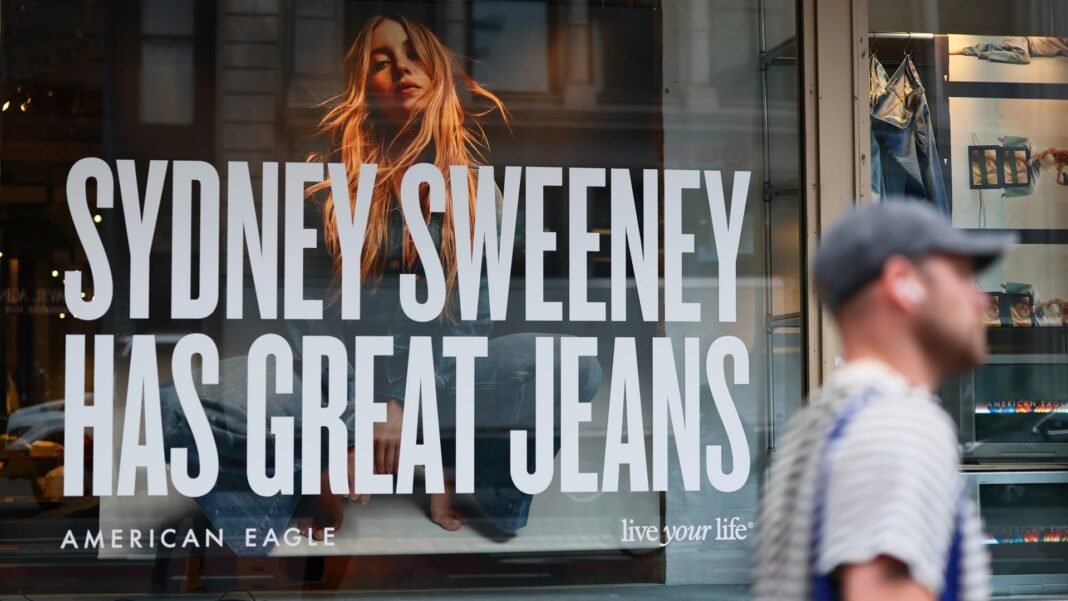
American Eagle sparked debate with a jeans promotion featuring actress Sydney sweeney that played on the words “jeans” and “genes.” Many consumers perceived this wordplay as insensitive, sparking accusations of tone-deafness. Despite criticism, the brand insisted their intent was purely to highlight their denim line.
Similarly,Swiss watchmaker Swatch retracted an advertisement after it showed an Asian model performing a gesture widely interpreted as offensive. The swift removal came alongside a formal apology following widespread condemnation.
Colgate-Palmolive faced regulatory action in the U.K. when its Sanex shower gel commercial was banned for allegedly perpetuating racial stereotypes related to skin color.Though,some consumer advocates argued that the ad actually celebrated diversity by featuring models with varied complexions.
Meanwhile, Cracker Barrel disappointed loyal customers by replacing its beloved overalls-clad mascot with a minimalist text logo-a change many described as lacking character and overly sanitized.
The Rising Importance of Cultural Awareness in Advertising
This wave of controversies is not isolated; global brands like Adidas and Prada have recently been accused of cultural appropriation through new product launches, intensifying debates about respect and representation in marketing campaigns worldwide.
The heightened scrutiny has reignited conversations about where creative freedom ends and cultural insensitivity begins-especially as modern consumers expect brands to engage thoughtfully rather than superficially with social issues.
The Risks of Relying on Outdated Marketing Tactics
A major challenge lies in companies’ tendency to address complex societal topics using outdated or simplistic approaches. Instead of fostering genuine understanding, many resort to generic corporate strategies that fail to resonate authentically with today’s diverse audiences.
“These missteps are less about lacking sensitivity and more about missing empathy,” observes branding specialist David Brier. “Too often brands treat culture like an obstacle instead of something deserving deep insight.”
Navigating consumer Expectations Through Genuine Representation
Certain brands have successfully connected by authentically reflecting diverse experiences rather than merely avoiding controversy. For instance,Gap responded promptly amid criticism surrounding American Eagle’s campaign by launching a new denim initiative spotlighting Katseye-a multicultural pop dance group-set against a clean white background celebrating inclusivity through movement and fashion expression.
brier stresses that authenticity cannot be manufactured solely through committees or focus groups: “By 2025, consumers can instantly detect when a brand is faking understanding.”
The Fine Line Between Provocation and Progress
Advertising naturally aims to provoke thought-and sometimes spark debate-to capture attention amid fierce competition for consumer engagement. American eagle experienced this firsthand when its stock price rose following public remarks from former President Donald Trump endorsing their sydney Sweeney ad; Google search interest also surged dramatically during this period-the highest as early 2000s for similar campaigns.
“Brands succeed by standing out while striving for cultural relevance,” explains Jonathan A.J. Wilson, professor specializing in brand strategy at Regent’s University London. “However, crafting one message that resonates universally is becoming increasingly difficult.”
- Diverse audiences: Customizing messages risks alienating some groups while appealing strongly to others;
- The power of controversy: Polarizing ads generate buzz wich can translate into higher sales;
- Sustaining relevance: Bold choices keep brands memorable even if they ignite debate;
- the ongoing challenge: Balancing authenticity without crossing sensitive boundaries remains crucial as social media accelerates every reaction globally.
Evolving Strategies for Today’s Complex Marketplace
Todays’ marketers must move beyond mid-20th-century playbooks if they want meaningful connections with consumers navigating multifaceted identities worldwide. Combining sincere empathy with innovative creativity offers the best path forward-not just avoiding offense but encouraging real dialog through inclusive storytelling rooted in respect and awareness.

“While controversy may polarize opinions it undeniably places your brand front-and-center-transforming passive viewers into engaged participants,” says Wilson.
“The key question remains whether you convert fleeting attention into enduring loyalty.”