macOS Tahoe: The Last Major Update Supporting Intel Macs
Apple has introduced macOS Tahoe, the latest version of its Mac operating system, packed with new features and applications.notably, this release marks the final major update that will support Intel-based Mac computers.
Eligible Intel Macs for macOS tahoe Upgrade
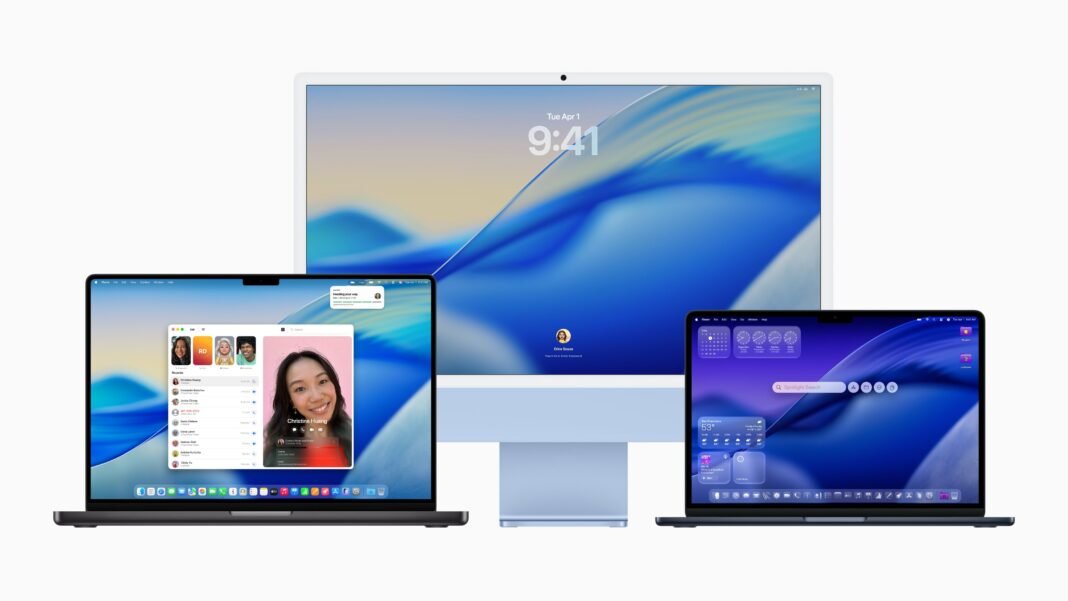
This update targets a select group of Intel-powered devices, including the 16-inch MacBook Pro from 2019, the 13-inch MacBook Pro (2020) with four Thunderbolt 3 ports, the 27-inch iMac released in 2020, and the 2019 Mac pro. Users of these models can expect to enjoy most of macOS Tahoe’s enhancements upon its rollout later this year. However, certain features relying on Apple’s advanced intelligence technologies will remain exclusive to Apple Silicon machines.
The Five-Year Shift: From Intel Chips to apple Silicon
Apple began transitioning away from Intel processors toward its own Apple Silicon chips five years ago. This multi-year strategy ensured continued software support for Intel Macs during that period. While older devices stopped receiving updates years back, macOS Tahoe represents the end of major software upgrades even for relatively recent Intel hardware.
Continued Security Updates Beyond Feature Support
Although feature updates are concluding for these last supported models, Apple pledges to deliver security patches over the next three years-an extended lifespan given many affected machines are now over half a decade old.
The Performance Revolution: Why Apple Silicon Is a Game-Changer
The transition from Intel processors to Apple’s M-series chips has ushered in one of computing’s most notable performance leaps in recent memory. Early M1 Macs showcased dramatic improvements in processing speed and energy efficiency compared to their predecessors.despite attractive discounts on late-model Intel systems recently tempting some buyers, understanding that this is their final upgrade opportunity should encourage users toward choosing Apple Silicon-powered devices going forward.
A Practical Example: Creative Professionals’ Gains
Consider graphic designers using Adobe Photoshop who report up to a 60% reduction in export times when working on M1 Pro-equipped laptops versus comparable high-end Intel models released just two years earlier-demonstrating clear real-world advantages beyond marketing claims.
Saying Goodbye to Rosetta: pushing Native Apps Forward
Apple is preparing to retire Rosetta-the translation technology allowing apps built for Intel processors to run smoothly on newer silicon-based Macs. While crucial during early adoption phases of Apple’s chipsets, support through upcoming macOS versions (26 and 27) will be among its last appearances.This encourages developers strongly toward creating fully native applications optimized specifically for Apple’s architecture.
User Experience and Developer Incentives Explained
- User outlook: Most everyday users won’t notice immediate disruptions but may face compatibility challenges with older legacy apps as time progresses.
- Developer Motivation: By limiting how long emulation remains available, developers receive ample time yet sufficient pressure to transition their software natively before forced deadlines arrive.
A Fresh Look and Enhanced Ecosystem Connectivity

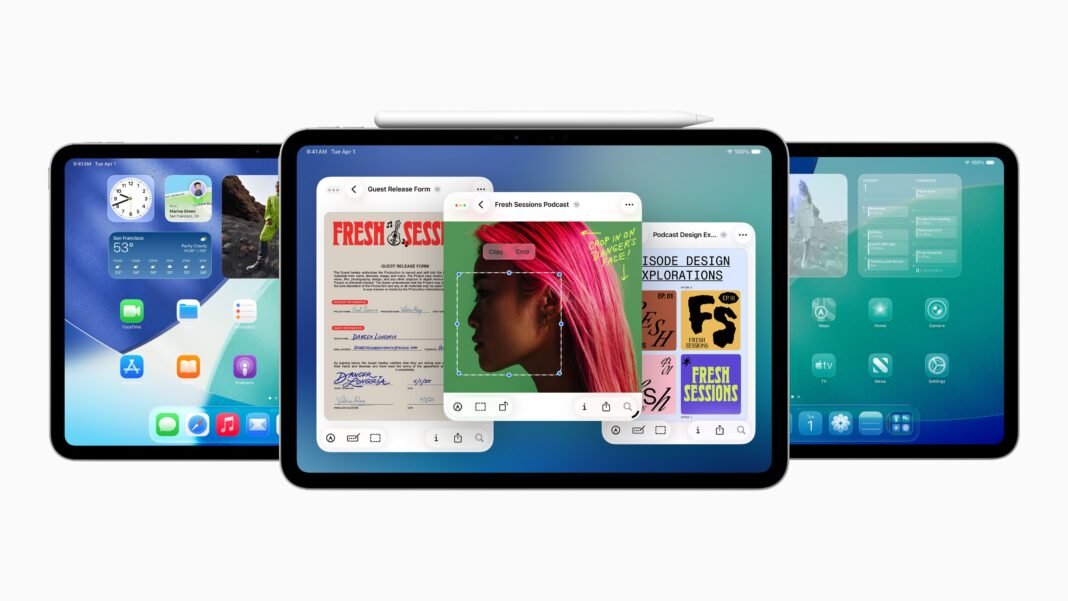
This update debuts an elegant liquid Glass interface design alongside deeper integration between macOS and iPad OS-bringing more “Mac-like” functionality directly onto iPads than ever before. These improvements aim at streamlining workflows across multiple devices within Apple’s ecosystem while considerably refreshing visual appeal and user experience quality.