Transforming the iPad Landscape: Introducing Genuine Windowing
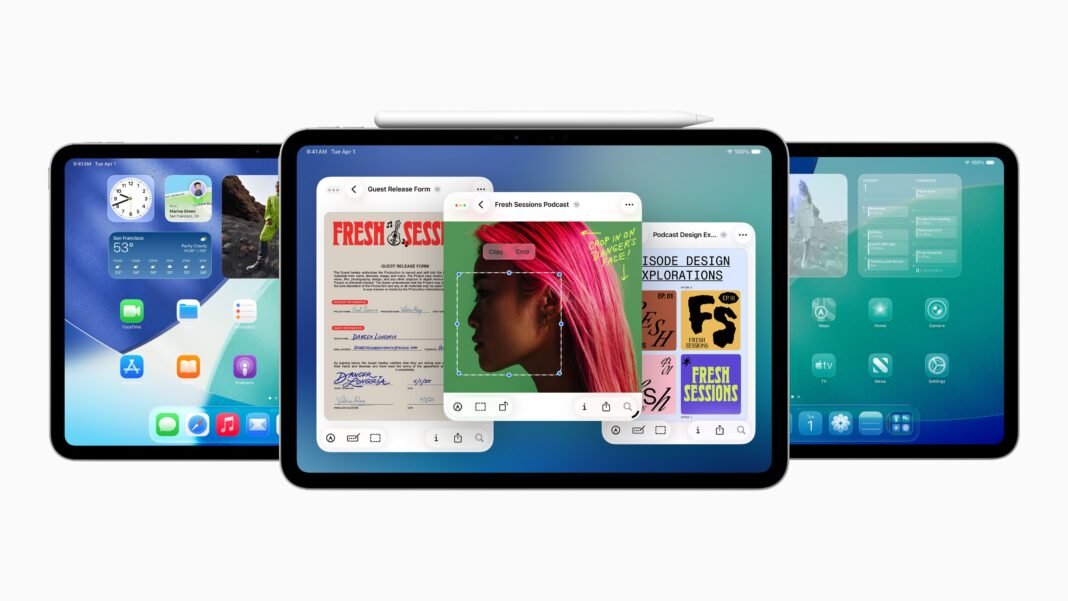
At the latest WWDC25, Apple unveiled a groundbreaking enhancement for the iPad that users have eagerly anticipated: authentic windowing functionality. Debuting with iPadOS 26, this feature revolutionizes multitasking by enabling multiple resizable and movable windows, pushing the iPad closer to a true desktop-class experiance.
A Paradigm Shift in iPad Multitasking
For years,Apple refrained from adopting a customary window system on the iPad despite widespread demand. Initially positioned as “not a computer,” its software confined apps to fullscreen or split-view modes.However, iPadOS 26 breaks these constraints by allowing users to drag windows freely across their screens and adjust their sizes dynamically. This flexibility lets multiple applications be arranged side-by-side or stacked, substantially enhancing productivity potential.
The update also brings Mac-inspired interface elements: hovering near window corners reveals controls for closing, minimizing, or maximizing apps. Additionally, new trackpad gestures-such as an Exposé-like overview-facilitate swift navigation between open programs. These refinements streamline managing numerous tasks simultaneously with greater ease and efficiency.
Beyond Window Management: Expanded Functionalities
This release extends well beyond just window handling improvements. A floating Menu Bar now appears within apps for faster access to key features; an upgraded files app simplifies document organization; and users gain more granular control over audio and video inputs directly thru device settings. Furthermore,a conventional cursor complements touch input, bridging tablet convenience with desktop precision seamlessly.
The Journey of the iPad: From Media Device to Professional Tool
The original iPad launched in 2010 primarily as a large-screen alternative for casual activities like media consumption and web browsing. Despite hardware leaps-including powerful M-series chips powering recent models and advanced displays introduced since 2015’s iPad Pro-the software limitations kept it from fully replacing laptops in demanding workflows.
Recent sales trends indicate growth has plateaued partly because consumers awaited meaningful functional upgrades-a challenge Apple addresses head-on with this major software evolution designed to invigorate user engagement.
A Steady March toward Device Convergence
- 2020: Magic Keyboard debuted adding trackpad support plus extra connectivity options;
- 2022: Enhanced external display compatibility broadened workspace possibilities;
- 2024: Redesigned front-facing cameras optimized for portrait video calls improved communication quality;
- This year: Full multi-window support arrives alongside other macOS-inspired features enhancing workflow fluidity.
Taken together, these milestones reveal Apple’s strategic intent to blur distinctions between tablets and computers while preserving unique identities within each product line.
User-Focused design Balances Power With Simplicity
A key aspect of this update is its optional activation-the new windowing system remains disabled by default so casual users can continue enjoying straightforward fullscreen app usage without added complexity. The discreet resizing icon tucked into app corners ensures only those seeking advanced multitasking engage deeply with these capabilities.
Additionally, Apple deliberately avoided branding these enhancements as “Mac-like” during announcements-rather describing them simply as “familiar.” This careful wording maintains clear separation between macOS and iPadOS 26’s interface innovations while acknowledging shared design principles guiding both platforms’ evolution.
Navigating Product Overlap: implications for MacBook air Sales?

The pricing gap between premium tablets such as current-generation iPads Pro and Apple’s popular MacBook Air has often narrowed considerably-prompting speculation about internal competition within Apple’s ecosystem. While power-intensive professionals will likely continue favoring Macs equipped with high-performance processors found in MacBook Pros or desktops,
the enhanced multitasking capabilities now make even entry-level iPads strong contenders against lightweight laptops.
This shift could influence buying decisions especially among students or remote workers who prioritize portability combined with versatile workflows.
Moreover, iPadOS 26 will roll out not only on flagship devices but also across standard iPads and iPad minis, significantly expanding accessibility.
The Future Outlook: Will Integration Deepen?
“Although historically Apple maintained distinct boundaries between macOS & iPadOS,” industry experts note, “recent rapid convergence suggests unified platforms may no longer be far off.”
Past statements emphasized separate operating systems tailored specifically toward different user needs-a message consistently reinforced at prior WWDC events-but current developments hint at growing overlap.
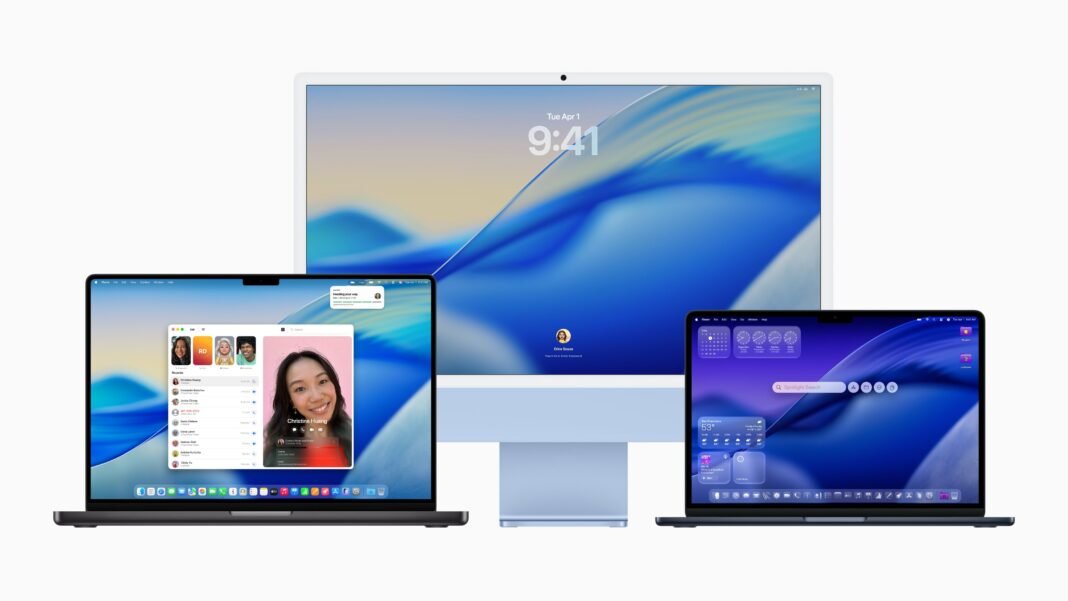
Touchscreen-enabled Macs remain speculative yet increasingly plausible given evolving hardware demonstrated through accessories like Magic Keyboard & external display support facilitating complex interactions.
iPads are shedding previous constraints — evolving into adaptable devices capable of handling demanding tasks traditionally reserved for laptops.
Powered by cutting-edge chips combined with elegant software advancements including genuine multi-window support, Apple is redefining what it means when they say “this is not a computer.”
As millions worldwide embrace hybrid work environments-with remote work surging nearly 60% above pre-pandemic levels according to recent studies-the timing couldn’t be more ideal for devices that blend mobility & productivity effortlessly.