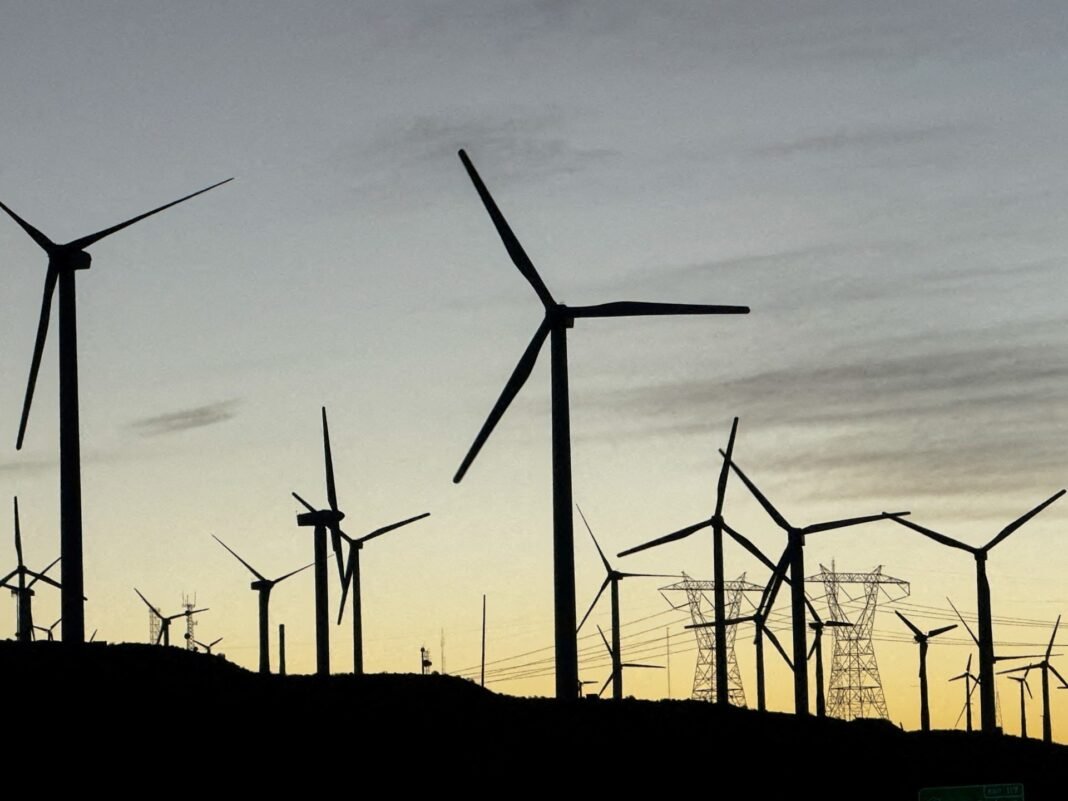
US Federal Funding Reductions Stall Growth of Offshore Wind Energy
Shift in US Energy Policy Under Current Governance
The US government has recently withdrawn $679 million in federal funding dedicated to offshore wind energy projects,delivering a significant blow to the renewable energy sector. This move affects over a dozen initiatives across the country, including a substantial $427 million project in California, as priorities shift toward supporting fossil fuel industries rather than green energy alternatives.
Consequences for Major Offshore Wind Projects and Local Economies
Among the impacted developments is the Humboldt Bay offshore wind terminal, set to be the first of its kind on the Pacific coast. Additionally, funding cuts include $47 million intended for creating an offshore wind logistics and manufacturing center near Baltimore’s port in Maryland and $48 million allocated for an offshore wind terminal close to Staten Island, New York. Another reduction of $33 million targets redevelopment efforts at Salem, Massachusetts-a site poised to transform from dormant industrial use into a vibrant hub for offshore wind activities.
Massachusetts Governor Maura Healey emphasized that halting support for Salem alone could jeopardize nearly 800 construction jobs. She criticized these budget cuts as short-sighted decisions that undermine efforts to diversify energy sources while bolstering regional economies.
State Leaders Speak Out Against Funding Cuts
California Governor Gavin Newsom denounced these funding withdrawals as harmful setbacks to clean energy progress and infrastructure growth. He warned that such actions risk rural employment opportunities and cede technological leadership in renewables to global competitors like China-who have aggressively expanded their clean energy sectors with investments exceeding $100 billion annually.
federal Rationale and National Security Considerations
The Department of Transportation justified reallocating funds by prioritizing immediate maritime industry improvements over what it described as costly “fantasy” projects with uncertain returns. Earlier this year, construction was abruptly halted on nearly completed offshore wind farms off rhode Island and Connecticut due to unspecified national security concerns raised by the Department of the Interior.
This same department also revoked approval for a major Idaho-based onshore wind farm initially authorized under previous administrations. Multiple federal agencies-including Defense, Energy, and Commerce-are currently reviewing Atlantic coast projects approved under former policies amid heightened scrutiny.
A Global Perspective: Renewable Energy Expansion vs US Policy Trends
Despite skepticism from current leadership labeling renewable power initiatives as expensive eyesores unfit for “smart” nations, international momentum toward clean technologies continues unabated:
- China: Remains dominant worldwide in solar panel manufacturing while leading supply chains for advanced wind turbine components; its renewable investments topped $120 billion last year alone.
- The European Union:: Has pledged billions toward expanding offshore wind capacity aiming at carbon neutrality by 2050 through enterprising Green Deal strategies.
- The United Kingdom:: Recently launched one of Europe’s largest floating offshore wind farms off Scotland’s coast with plans doubling capacity within five years.
Evolving Market Dynamics Amid Rising Electricity Costs
This policy pivot occurs against a backdrop of rising electricity prices across much of America-increasing more than twice as fast as inflation over recent months-which some officials mistakenly attribute solely to integrating renewables into grids. Critics argue abandoning enduring infrastructure risks leaving US competitiveness behind peers who embrace cleaner energy futures while actively addressing climate change challenges through innovation-driven solutions.
An Unyielding position Against new wind Power Installations
The administration has expressed firm resistance against approving new renewable installations unless legally mandated or previously committed under binding agreements-a stance reflecting entrenched opposition within leadership circles toward expanding domestic renewable capacity via technologies like offshore turbines or large-scale solar arrays.
“We’re not allowing any new windmills unless there is already binding legal commitment,” stated President Trump during recent cabinet discussions underscoring his administration’s opposition towards further deployment of such projects.
Navigating Forward: Aligning Economic Development with Sustainable Innovation
this evolving scenario highlights ongoing tensions between short-term economic interests focused on customary industries versus long-term environmental sustainability embraced globally through clean power adoption strategies.
The path ahead will depend heavily on political resolve combined with technological breakthroughs enabling cost-effective integration without compromising grid reliability or job creation potential across diverse American communities nationwide.