Japan’s Political Crossroads: Ushering in a New Era of Leadership
With Prime Minister Shigeru Ishiba stepping down, Japan enters a critical phase in determining its next head of government. The political arena is now wide open, featuring several prominent figures vying to succeed him.
Prominent Candidates Shape the Leadership Contest
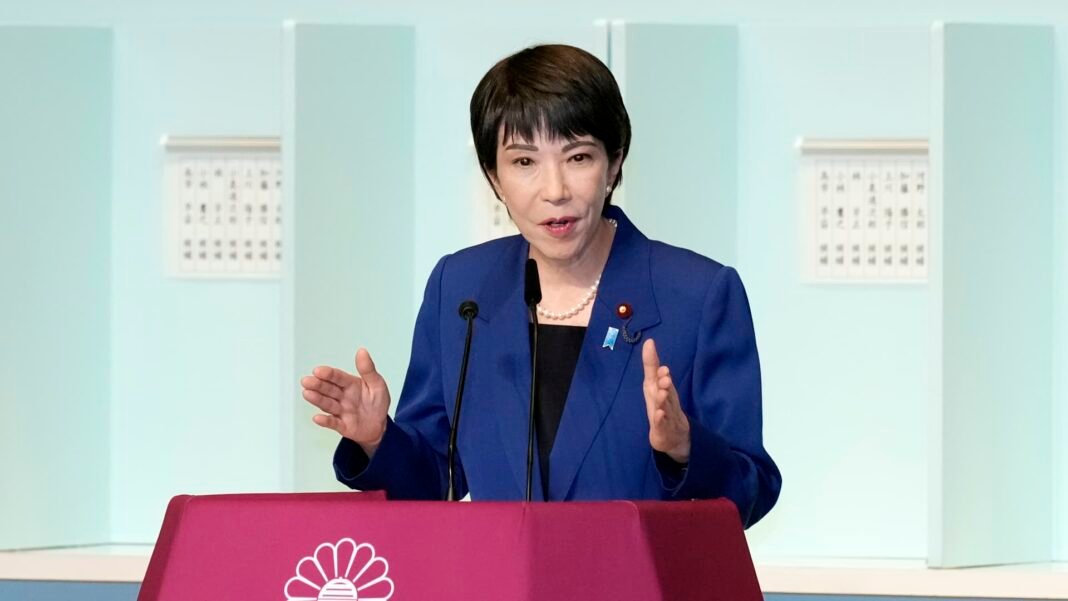
The spotlight currently shines on Sanae Takaichi, the former minister responsible for economic security, and Shinjiro Koizumi, who presently serves as agriculture minister. Even though neither has formally announced their candidacy yet, political experts widely expect both to compete for the top position.
A recent survey indicates Takaichi holds a narrow lead with 23% backing compared to Koizumi’s 22%. Shoudl she prevail, Takaichi would become Japan’s first female prime minister leading the world’s fourth-largest economy-a historic milestone.
Shifting Perspectives on Female Leadership in Japan
The readiness of Japanese society to embrace a woman as prime minister has sparked extensive discussion. Contrary to common assumptions about traditionalism, public attitudes appear increasingly progressive. As an example, data from early 2024 reveals that approximately 85% of Japanese women aged 25-54 participate in the workforce-surpassing countries like Germany and Canada-highlighting evolving gender roles within society.
Ishiba’s departure Amid Economic Strains and Political Setbacks
Ishiba announced his resignation following disappointing election outcomes for his coalition partners. His administration grappled with significant challenges such as surging inflation and record increases in food prices; notably, rice prices escalated at their fastest rate since the early 1970s during mid-2025.
During his tenure, Ishiba also finalized an important trade deal with the United States that set a baseline tariff rate of 15% on key Japanese exports including automobiles-a strategic achievement he described as overcoming “a major hurdle” before passing leadership onward.
This leadership change coincides with electoral losses suffered by both the ruling Liberal Democratic Party (LDP) and its junior ally Komeito across parliamentary chambers-the upper house lost majority control earlier this year while recent lower house elections further eroded their dominance.
Divergent Policy Paths: Comparing Takaichi and Koizumi
Sanae Takaichi: Advocating Aggressive Economic Revival
Takaichi is known for her strong support of “Abenomics,” former Prime Minister Abe’s economic blueprint combining bold monetary easing with fiscal stimulus and structural reforms aimed at jumpstarting growth. She criticizes recent Bank of Japan interest rate hikes as premature moves that risk stalling recovery and champions increased government expenditure to boost demand further.
Additionally, she supports revisiting Article 9 of Japan’s pacifist constitution-a contentious proposal seeking constitutional reinterpretation or amendment to grant expanded military capabilities amid rising regional security concerns around East Asia.
Shinjiro Koizumi: Emphasizing Stability Through Measured Governance

in contrast to Takaichi’s assertive reform agenda, Koizumi adopts a more cautious approach focused on steady management rather than sweeping changes. He earned praise for handling agricultural supply issues effectively during recent rice shortages-an issue deeply tied to rural constituencies within LDP ranks who favor continuity over disruption.
An analyst from Monex Group characterizes Takaichi as possessing “ambitious ideas supported by influential party networks,” whereas Koizumi is viewed as “a reliable candidate preferred by senior party members due to his moderate stance.” This sets up voter choice between transformative ambition or pragmatic steadiness amid uncertain times ahead.
Navigating Uncertainty Beyond Party Lines
The final decision over who becomes prime minister rests not solely within party ranks but requires approval from members of Japan’s Lower house parliament. Currently holding roughly half (220 out of 465 seats), LDP-Komeito lacks an outright majority; opposition parties could theoretically unite behind an alternative candidate if they coordinate effectively-though this remains unlikely given LDP remains largest single bloc with nearly half its seats (196).
- This fragmented parliamentary landscape introduces unprecedented unpredictability into what was traditionally considered an internal party matter directly translating into premiership appointment.
- The evolving political environment mirrors broader societal shifts confronting demographic decline alongside intensifying geopolitical tensions throughout East Asia since global realignments accelerated post-2020 pandemic disruptions.
“Japan stands poised at a historic juncture where longstanding gender barriers may be dismantled even while navigating complex domestic reforms,” commentators note regarding forthcoming leadership decisions.”