Advancing Geothermal Drilling with Cutting-Edge Water-Jet Technology
Unlocking Affordable Heating and Cooling Solutions for teh Future
Heating and cooling systems represent nearly 33% of total energy consumption in the United States,with some data centers consuming up to 40%.Geothermal energy presents a transformative opportunity to substantially cut HVAC-related power usage, potentially saving utility grids billions of dollars annually. Projections indicate that by 2050, the U.S. will need to drill close to 6 million feet of geothermal boreholes daily to maintain a resilient and sustainable electrical infrastructure.
Overcoming Financial Barriers in Geothermal Implementation
although geothermal heating offers remarkable efficiency and low operating costs, it currently accounts for only about 1% of building heating installations nationwide. The main obstacle hindering broader adoption is the substantial upfront expense associated with drilling and system setup.This initial financial burden discourages many potential users despite the long-term savings on energy bills that geothermal systems provide.
Understanding Deep Versus Shallow Geothermal Systems
Geothermal technologies are generally divided into two types: deep enhanced geothermal systems (EGS) that penetrate thousands of feet underground to harness extremely high temperatures for electricity production, and shallow geothermal systems which extend just a few hundred feet below ground level. The shallow variant maintains consistent subterranean temperatures year-round, making it ideal for residential or commercial heating and cooling through circulating water in underground piping networks known as ground loops.
A Breakthrough: Compact Water-Jet Drilling Rigs Revolutionize Installation
A pioneering company based near Manchester, New Hampshire has engineered an innovative water-jet drilling rig tailored specifically for shallow geothermal projects. Unlike traditional rigs adapted from oil-and-gas industries-which tend to be bulky, expensive, and difficult to maneuver-this compact rig employs high-pressure water jets instead of mechanical drill bits. It efficiently bores precise holes through diverse soil compositions such as gravel, clay, sand as well as hard rock formations like granite or sandstone.
The benefits Compared to Conventional Drilling Methods
- the reduced size enables access within confined urban spaces or densely packed commercial sites where larger rigs cannot operate effectively.
- Straighter boreholes allow wells to be spaced more closely together maximizing land utilization efficiency for developers.
- This technology can reduce drilling expenses by up to 80% relative to existing approaches.
- The design eliminates dependence on large double-axle trucks typically required by conventional rigs-simplifying logistics considerably.
Fueling Innovation Through Strategic Capital Investment
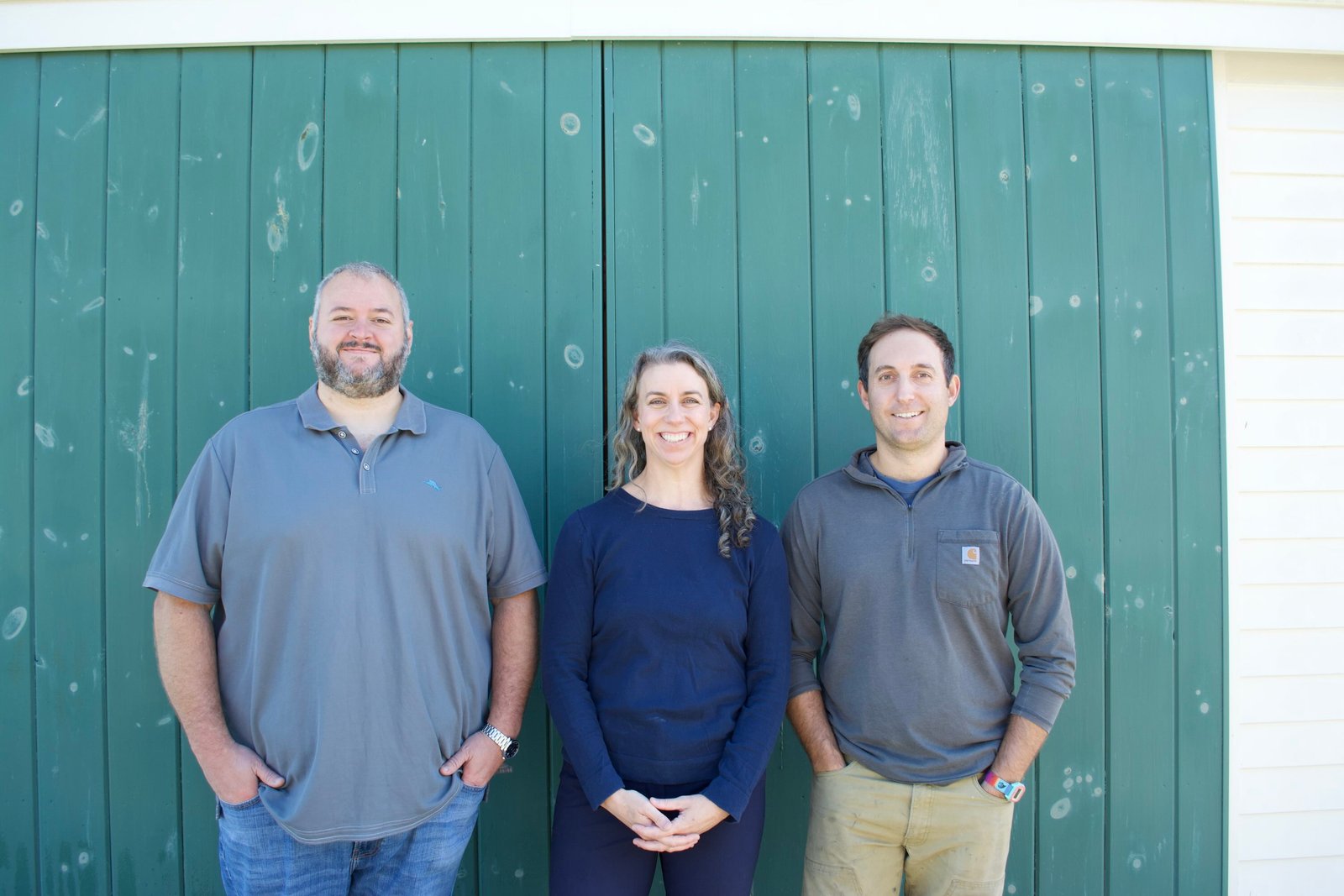
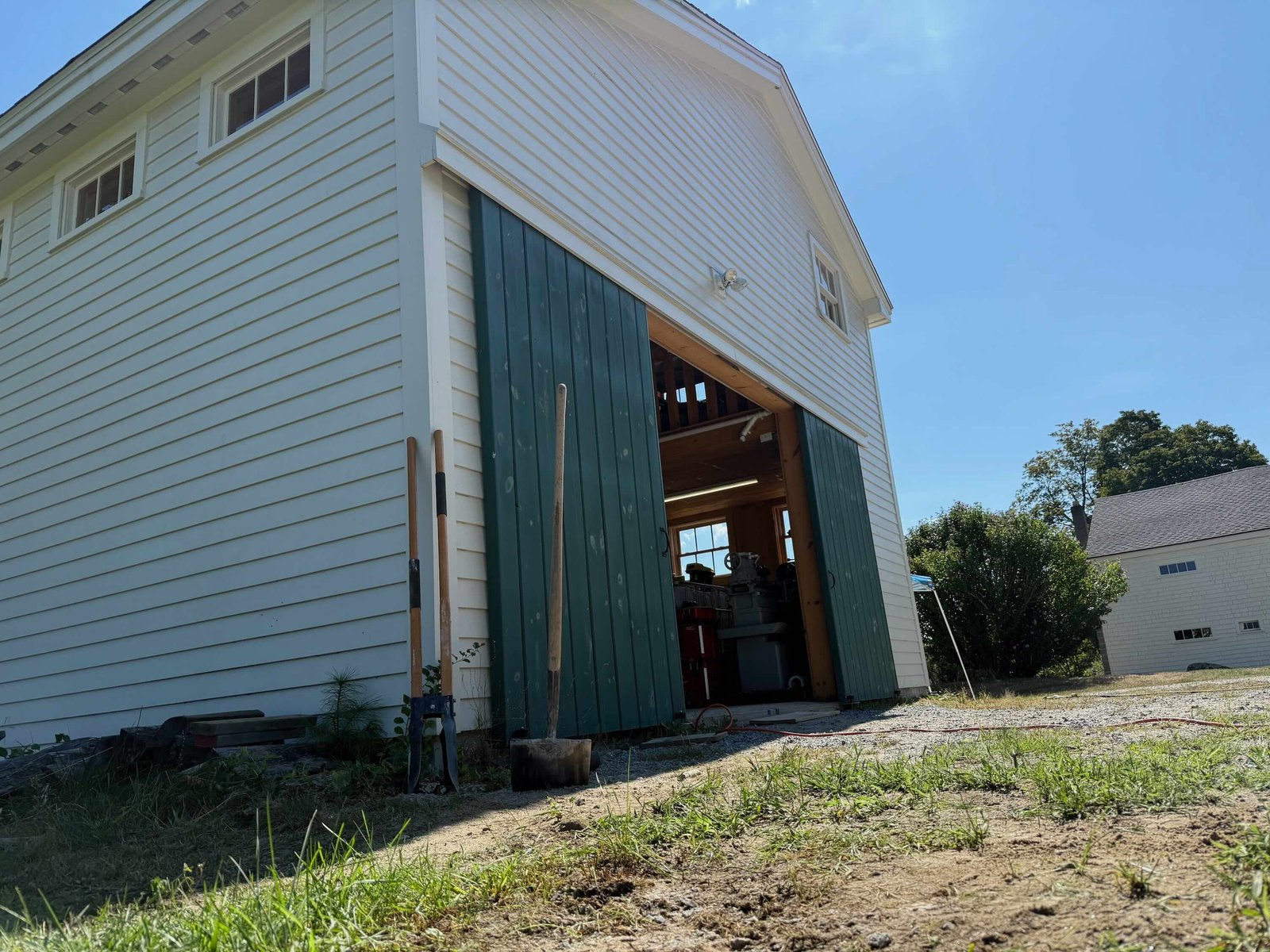
this groundbreaking technology recently attracted $5 million in seed funding from leading venture capital firms dedicated to sustainable infrastructure advancements. These resources will expedite advancement efforts toward commercial pilot programs designed to validate performance across varied geological environments encountered during extensive field testing near their New Hampshire base.
Aiming For Broad Market Penetration And Industry Transformation
The company intends to offer these rigs directly to drilling contractors seeking cost-effective alternatives capable of expanding their service reach into markets previously inaccessible due either equipment constraints or prohibitive costs. By drastically lowering entry expenses-from multimillion-dollar machines down well below this threshold-this innovation unlocks vast untapped potential representing nearly all buildings yet unreached by geothermal solutions today.
“Geothermal should be integrated into every building rather than just one percent,” reflected the CEO when discussing how reducing upfront costs could bridge this enormous gap in global adoption rates.”
Navigating Toward Nationwide Sustainable Heating And Cooling Expansion
If scaled successfully over coming years-with growing investor confidence-the compact water-jet drill could play an essential role in achieving enterprising climate targets while bolstering grid reliability through distributed clean energy technologies such as ground-source heat pumps across both residential neighborhoods and commercial zones alike.