Malawi’s Crucial Election Amid Economic Struggles and Environmental Crises
As Malawi approaches a pivotal presidential election, the country faces escalating economic difficulties intertwined with severe environmental challenges. positioned among Africa’s most impoverished nations, Malawi is highly susceptible to climate shocks that intensify hardships for its population, making this election especially consequential for voters.
The electoral Framework and Voting Dynamics
Polling stations opened early Tuesday and will remain accessible until evening. Around 7.2 million registered voters across 35 districts are participating in this electoral process.
A candidate must achieve more then 50% of the vote to claim victory outright; failing that, a runoff will be conducted. Official results for the presidency are anticipated by September 24. Along with choosing thier president,Malawians are electing 299 members of parliament and 509 local council representatives,with parliamentary outcomes expected by September 30.
Key presidential Contenders Shaping Malawi’s Future
Seventeen candidates have entered the race for president; however,two main figures dominate public attention: incumbent President Lazarus Chakwera and former leader Peter Mutharika.
Lazarus Chakwera: Incumbent leader Seeking Re-election
the current head of state at age 70 represents the Malawi Congress Party (MCP) and aims to secure a second term following his historic win in a rerun election triggered by irregularities in 2019-the first opposition victory of its kind on the continent.
Chakwera’s administration has contended with persistent inflation-food prices alone surged nearly 30% over the past year-and ongoing fuel shortages causing long queues nationwide. His tenure has also been marred by nepotism allegations after appointing his daughter as an overseas diplomat amid public criticism.
The government attributes many challenges to last year’s devastating droughts, an extended cholera outbreak spanning from late 2022 through mid-2024, and Cyclone Freddy-a catastrophic storm responsible for over 1,200 deaths, widespread crop devastation, and displacement across multiple regions.
Supporters point to infrastructure progress under Chakwera’s leadership such as reviving rail services after three decades of inactivity and expanding rural road networks that enhance connectivity throughout remote areas.
Peter Mutharika: Experienced Politician Seeking Return
Eighty-five-year-old Peter Mutharika leads the Democratic Progressive Party (DPP) as he attempts a political comeback following his defeat in 2020. A former law professor who governed from 2014 until losing office in early elections prompted by protests against alleged electoral frauds during his tenure-he highlights economic improvements including reduced inflation rates achieved under his watch alongside infrastructure projects initiated during those years.
Mutharika’s time in office was clouded by accusations linking party officials indirectly involved in bribery scandals; although cleared legally himself, these controversies sparked nationwide demonstrations demanding accountability. Observers question whether his advanced age might impact campaign energy or voter engagement this cycle. He is also known as brother to late President Bingu wa Mutharika who passed away while serving in office in 2012.
Diverse Candidates Adding Depth To The Race
- Joyce Banda:, Malawi’s only female president (2012-2014), representing People’s Party; previously served as vice president under Bingu wa Mutharika;
- Micheal Usi:, former vice president running under Odya Zake Alibe Mlandu party;
The Economic landscape Under Pressure From Multiple Challenges
A Fragile Economy Facing Inflation And Debt Burdens
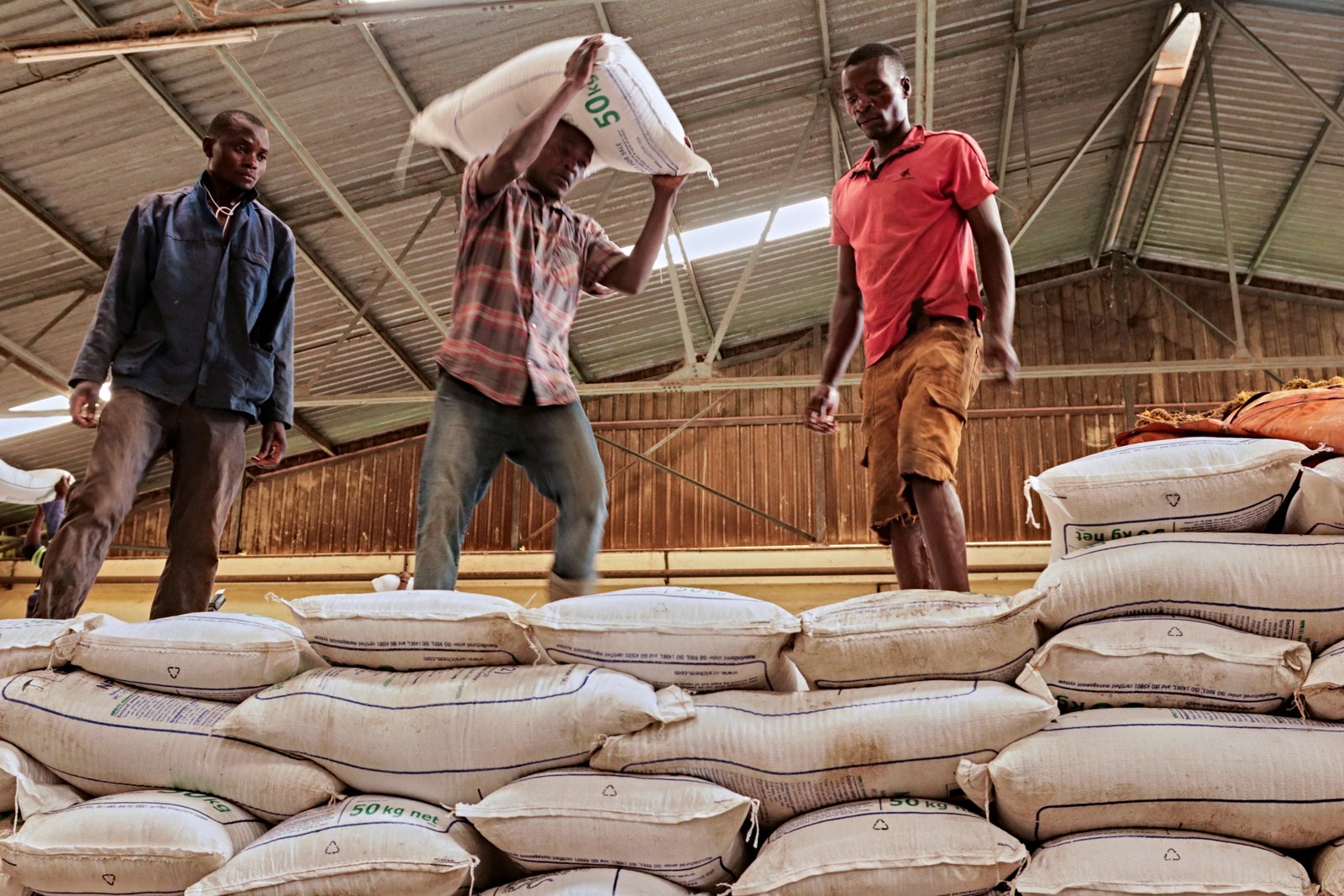
Tobacco remains one of Malawi’s primary export commodities alongside tea production but cannot fully offset heavy dependence on foreign aid or rising external debt levels currently burdening national finances. Inflation continues unabated while wages stagnate-widening disparities between income levels versus living costs affect millions reliant mainly on subsistence farming (a sector employing approximately 80%). Fertilizer prices have soared sharply due partly to foreign currency shortages limiting essential agricultural imports needed for productivity gains amid global supply chain disruptions intensified as late-2023 conflicts affecting fertilizer markets worldwide.
“daily fuel station queues highlight acute shortages,” reports reveal – underscoring supply chain breakdowns worsened by alleged corruption within distribution systems according to official statements.
The International Monetary Fund recently suspended disbursement of its $175 million loan program after releasing only $35 million so far-signaling potential renegotiations post-election aimed at restoring fiscal stability.
Civil unrest earlier this year erupted primarily around urban centers like Lilongwe and Blantyre where youth-led protests voiced frustration over soaring living costs coupled with skepticism about meaningful change through elections alone.
Mutharika emphasizes prior economic achievements while Chakwera pledges expanded social safety nets including cash transfers valued around $290 per newborn child redeemable upon reaching adulthood.
Tackling Corruption: A Persistent Political Challenge
Both leading parties face serious corruption allegations undermining public confidence deeply rooted within political culture here.Despite vocal anti-corruption commitments as taking office,Lazarus Chakwera has faced criticism over nepotistic appointments . Simultaneously occurring,Candidates like Joyce Banda stress anti-graft reforms citing her decisive actions when she dismissed her entire cabinet following cash-for-influence scandals during her presidency .
The Escalating Impact Of Climate change On Livelihoods And Food Security
Agricultural communities suffer disproportionately from increasingly frequent extreme weather events despite contributing minimally toward global greenhouse gas emissions.
This vulnerability became starkly evident during prolonged drought episodes linked with El Niño patterns throughout much of 2024 , which devastated harvest yields forcing hundreds of thousands into food insecurity requiring humanitarian intervention declared officially an emergency nationally.
Cyclone Freddy ranks among Africa’s deadliest recent storms causing massive fatalities along with destruction severely impacting livelihoods across several districts simultaneously disrupting recovery efforts already underway post-drought impacts.
“Developing resilient food systems capable of absorbing shocks must become policy priorities,” experts emphasize notably highlighting support mechanisms targeting women who often face compounded risks amidst crises involving both natural disasters plus inflation-driven scarcity.”
– Climate advocacy perspective summarizing urgent adaptation needs –
A Nation Poised At A critical Juncture: What the future Holds?
- Malawi stands at a crossroads between enduring entrenched economic fragility exacerbated further by environmental volatility versus hopes placed on new leadership strategies promising reform;
- Voters confront complex decisions balancing immediate survival concerns against long-term governance credibility amidst persistent corruption allegations;
- The election outcome will determine how effectively future administrations can manage intertwined challenges spanning fiscal stabilization alongside climate resilience building crucial not only locally but regionally given shared vulnerabilities across southern Africa;
- Ultimately,this electoral contest symbolizes more than political turnover-it embodies aspirations toward lasting development pathways capable of lifting millions out poverty despite daunting obstacles .