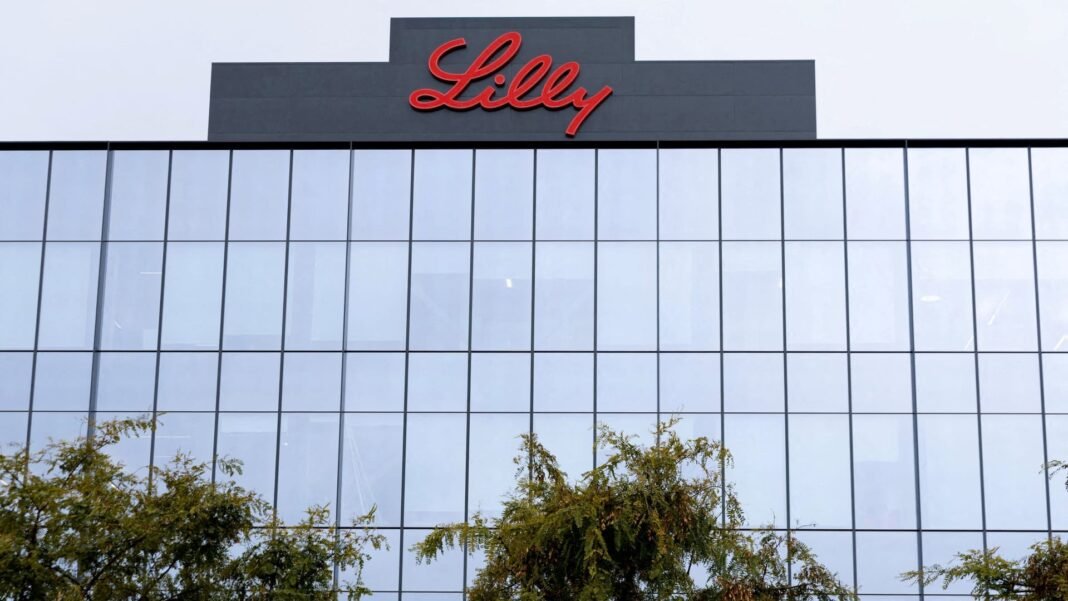
Eli Lilly Commits $5 Billion to Boost U.S. Cancer Drug Manufacturing Capacity
Pharmaceutical leader Eli Lilly has announced a $5 billion investment to build a cutting-edge manufacturing facility in Goochland County, Virginia.This new site is designed to considerably expand the company’s ability to produce targeted cancer therapies and other advanced pharmaceuticals, marking the first of several planned domestic expansions.
Accelerating Domestic Pharmaceutical Production Growth
This initiative is part of Eli Lilly’s broader plan to invest over $27 billion in four new manufacturing plants across the United States, supplementing more than $23 billion invested since 2020. The company expects to disclose locations for the remaining three facilities later this year, with all sites projected to be operational within five years.
The decision reflects an industry-wide push toward reshoring drug production amid evolving trade dynamics and supply chain vulnerabilities. Over recent years, U.S.-based pharmaceutical manufacturing has declined sharply-dropping by nearly 30% since 2010-prompting renewed efforts to rebuild domestic infrastructure and reduce reliance on overseas suppliers.
Specialization in Advanced Bioconjugate Cancer Therapies
The Virginia plant will focus on producing active pharmaceutical ingredients (APIs) for oncology treatments and autoimmune conditions. Notably, it will serve as Eli Lilly’s first dedicated facility for its bioconjugate platform-specifically antibody-drug conjugates (ADCs). These sophisticated therapies link monoclonal antibodies with potent cytotoxic agents that selectively attack cancer cells while sparing healthy tissue.
ADCs are among the fastest-growing segments in oncology; market forecasts estimate their global valuation could surpass $18 billion by 2030 as applications expand beyond cancer into autoimmune diseases and other therapeutic areas.
Integrating Advanced Technologies for Enhanced Manufacturing
Eli Lilly’s CEO emphasized that this expansion addresses critical pipeline demands by enabling internal production of biologics and ADCs-a capability previously outsourced or primarily manufactured abroad. The facility will also manage final drug formulation processes such as vial filling and packaging ready for distribution nationwide.
“This site is unique because it allows us not only to manufacture these complex medicines but also package them onsite,” explained leadership. “By relocating some operations from European partners back into the U.S., we’re strengthening supply chain resilience.”
The choice of Virginia was strategic due to its logistical benefits: access to a skilled workforce, existing infrastructure including utilities optimized for pharmaceutical production, plus proximity to major transportation hubs-all factors accelerating project timelines.
Economic Benefits Through Job Creation
The construction phase alone is expected to create around 1,800 local jobs while generating over 650 permanent roles spanning engineering, scientific research, operations management, and laboratory functions once fully operational. This investment highlights Eli Lilly’s commitment not only toward innovation but also regional economic growth through high-skilled employment opportunities.
Navigating Tax Incentives Amid Changing Policy Environments
While recent political discussions have focused on tariffs affecting imported pharmaceuticals encouraging reshoring incentives industry-wide, tax considerations played a decisive role in selecting American expansion over foreign alternatives.Corporate tax reforms enacted during prior administrations enhanced financial feasibility for large-scale domestic projects like this one according to company statements.
Pioneering AI-Driven Precision Manufacturing
The Goochland facility will incorporate state-of-the-art technologies including machine learning algorithms and artificial intelligence systems aimed at optimizing manufacturing accuracy-ensuring “right-first-time” execution standards that improve safety profiles while maintaining consistent medicine availability across national supply chains.
Diversifying Beyond Established Blockbusters
This substantial investment complements Eli Lilly’s success with GLP-1 receptor agonists such as Zepbound (for weight management) and Mounjaro (for diabetes), which have dominated their markets alongside competitors like Novo Nordisk. Both companies have recently invested billions expanding production capacity amid soaring demand driven by obesity rates affecting approximately 42% of American adults according to CDC data from early 2024.
- Zepbound: An innovative obesity treatment rapidly gaining traction due partly to superior efficacy compared with customary options;
- Mounjaro: A leading diabetes medication contributing significantly toward improved glycemic control worldwide;
Eli Lilly’s forward-looking strategy extends well beyond these successes: its robust pipeline includes promising candidates targeting Alzheimer’s disease progression mechanisms along with novel gene therapies addressing rare disorders-signaling ambitions toward transformative impacts across multiple therapeutic areas in coming years.
A New Era of Leadership in U.S. Pharmaceutical Manufacturing
This ambitious expansion exemplifies broader shifts within global pharma towards localized production supported by technological innovation-and underscores how major players like Eli Lilly are positioning themselves at the forefront of both scientific advancement & industrial modernization domestically.
By investing heavily now into specialized facilities capable of producing next-generation biologics such as antibody-drug conjugates alongside leveraging AI-driven quality controls-the company aims not only at meeting immediate patient needs but future-proofing against ongoing geopolitical uncertainties impacting international supply chains.
Eli Lilly’s strategic investments reinforce America’s role as a vital hub for cutting-edge medical innovation backed by resilient manufacturing capabilities poised well into the future.