Decoding Broadcast Licenses and Their Role in Media Governance
How Broadcast Licenses Shape Television Networks
Leading television broadcasters such as Disney’s ABC, Paramount Skydance’s CBS, Comcast Corp.’s NBC, and Fox Corp.’s Fox operate under a regulatory framework that requires them to secure over-the-air spectrum licenses from federal authorities. These licenses grant them the right to transmit free-to-air content accessible by anyone equipped with a TV antenna.
This traditional broadcast approach differs markedly from subscription-based channels like CNN, MTV, or FX, which are typically distributed through cable or satellite providers such as Comcast or Charter Communications. Broadcasters generally focus on delivering local news segments, live sports coverage, prime-time entertainment including dramas and comedies, along with late-night talk shows.
Despite the growing trend of audiences accessing these programs via cable bundles or streaming platforms rather than solely through antennas-a shift driven by technological advancements-the foundational licensing system remains unchanged. Local station operators like Nexstar Media Group and Sinclair lease public airwaves regulated by the federal Communications Commission (FCC), which enforces compliance with mandates to serve community interests.
The FCC’s Regulatory Power Over Broadcasters
The Federal Communications Commission wields considerable authority over broadcasters through its control of spectrum licenses. Licensees are legally obligated to operate their stations “in the public interest,” meaning they must provide programming that addresses local community needs and concerns.
This regulatory responsibility has recently attracted heightened attention amid political controversies surrounding content aired on major networks. As an example, remarks made on late-night shows linking politically sensitive events to specific movements have drawn criticism from FCC leadership for allegedly misleading viewers about significant political developments.
Political influence and Threats of License Revocation
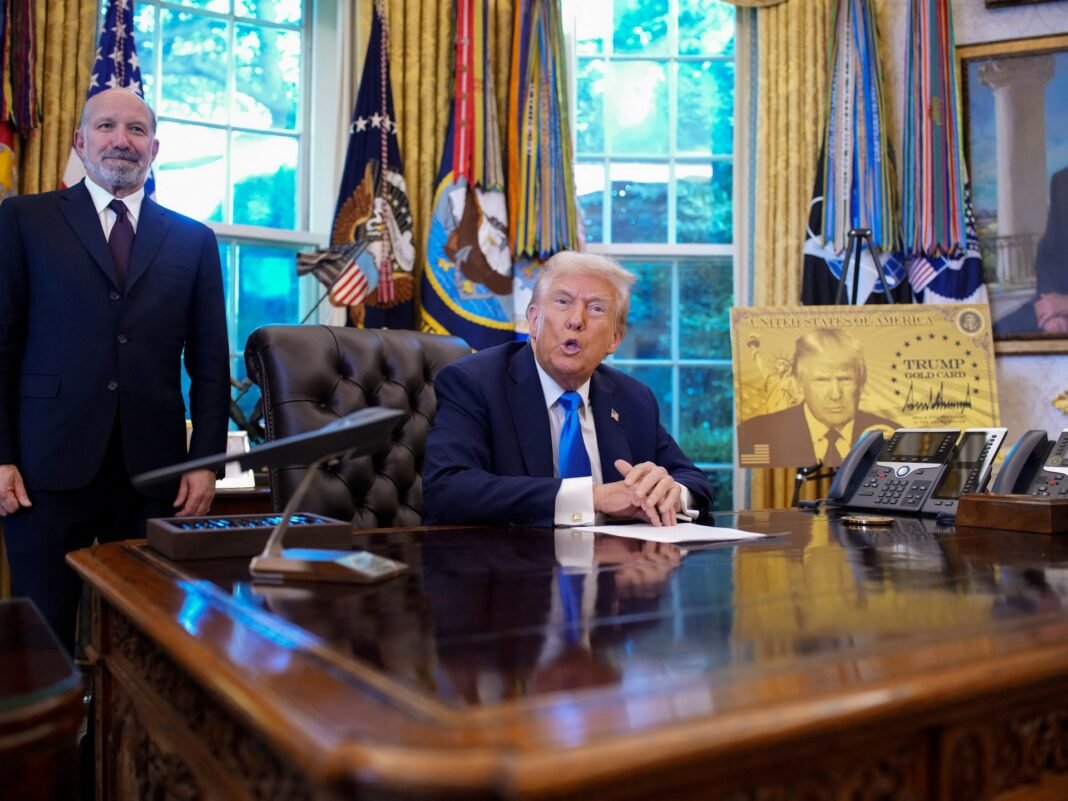
Former President Donald Trump publicly suggested that broadcast licenses might be revoked if networks exhibit bias against him or his administration. He referenced studies claiming up to 97% negative media coverage during his 2024 election campaign as grounds for reconsidering network privileges.
FCC Chair Brendan Carr echoed this viewpoint by underscoring broadcasters’ duty to maintain truthful reporting aligned with serving public interests; he implied that failure could lead stations either to voluntarily relinquish their licenses or pivot toward unregulated platforms such as podcasts and streaming services beyond federal oversight.
The Ramifications of Losing Broadcast licenses
If regulators conclude that a broadcaster has failed its public interest obligations sufficiently enough to justify license revocation-a process involving extensive investigations and potential legal battles-the affected stations would be forced off the air locally until new operators assume control.
Historically, license disputes have centered around issues like inadequate children’s programming or indecency violations (such as incidents involving wardrobe malfunctions). However, recent threats tied directly to political speech represent an unprecedented challenge balancing First Amendment protections against government regulation of media content.
Navigating the Complexities of License Enforcement
“Ensuring responsible use of airwaves does not mean suppressing political viewpoints disliked by those in power,” note communications law experts familiar with FCC procedures. The agency must carefully balance free speech rights while guaranteeing broadcasters fulfill community service standards without engaging in ideological censorship.”
The Impact of Market Consolidation Amid Changing Regulations
A significant trend reshaping broadcast media is consolidation among local TV station owners aiming for operational efficiencies amid declining traditional viewership caused partly by competition from streaming services:
- Nexstar owns roughly 30 ABC-affiliated stations nationwide-about 10% of its portfolio exceeding 200 stations-and is pursuing approval for a $6.2 billion merger with Tegna that could alter long-standing ownership limits enforced by federal rules;
- Sinclair Broadcast Group is exploring similar mergers designed to expand market reach within existing regulatory frameworks;
This wave of consolidation coincides with calls from FCC leadership advocating relaxation-or even removal-of ownership caps originally established decades ago when market conditions were vastly different compared to today’s fragmented digital ecosystem.
Evolving Business Models Under Streaming Pressure
The surge in streaming platform popularity has significantly eroded pay-TV subscriber numbers; between 2019 and early 2025 alone U.S pay-TV subscriptions declined nearly 25%, impacting retransmission fee revenues paid upstream-from distributors like Charter communications back toward broadcasters such as Nexstar-which remain vital for sustaining profitability despite shrinking direct antenna audiences accessing free broadcasts.

A Transformative Phase in Broadcast Television Oversight?
The intersection between governmental oversight over broadcast licensing and rapidly evolving media consumption habits raises complex questions about balancing freedom of expression against accountability standards imposed on publicly licensed entities operating within shared spectrum resources.
“The future may bring stricter scrutiny but also greater flexibility allowing broadcasters unwilling-or unable-to meet current public interest requirements under existing definitions-to transition fully into unregulated digital formats,” industry analysts suggest amid ongoing debates about modernizing policy amidst technological disruption.