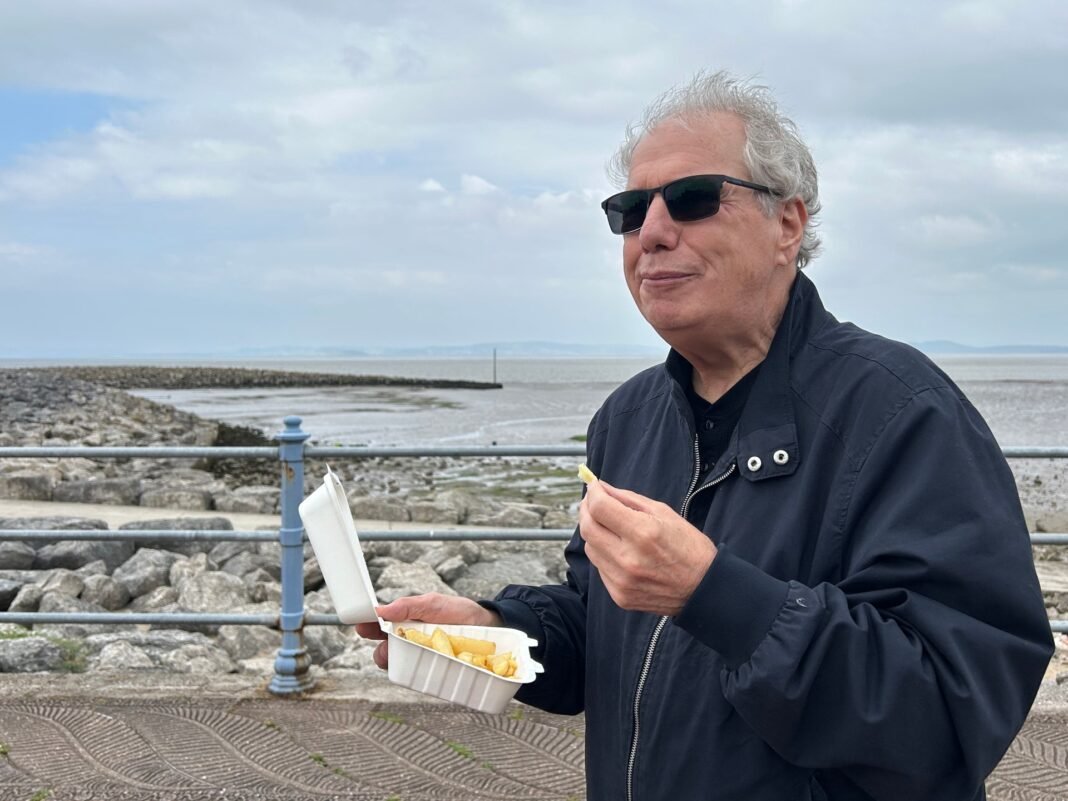
Living with AlzheimerS: navigating Memory, Music, and Personal Freedom
Adapting to Daily Challenges with Alzheimer’s
On a misty morning in Morecambe, 71-year-old Alex Pandolfo carefully prepares for a meeting at Lancaster train station. Although he had connected via video call weeks earlier,he lightheartedly admits that faces don’t always stick in his memory and welcomes gentle reminders from others. To stay on schedule, Alex relies on multiple alarms set the night before-each one guiding him through his day’s activities.
His mornings start with a cup of coffee and checking messages online, punctuated by phone alerts signaling when to leave or complete tasks. These digital prompts are vital aids helping him manage everyday life amid the complexities of Alzheimer’s disease. “New names and faces can be tricky,” he shares, “but memories from decades ago remain vivid.” Surrounding himself with cherished items-a colorful painting gifted by a friend and a whimsical toy from his sister-provides emotional comfort as tangible links to loved ones.
The Reality Behind an Alzheimer’s Diagnosis
Alex received his diagnosis in 2015 for Alzheimer’s disease-the leading cause of dementia worldwide-marked by gradual memory loss, language difficulties, mood fluctuations, and cognitive decline without any definitive cure.at age 61 when diagnosed, doctors initially predicted three to four years of clear cognition; however recent research reveals survival times vary widely with some living up to twenty years depending on health factors.
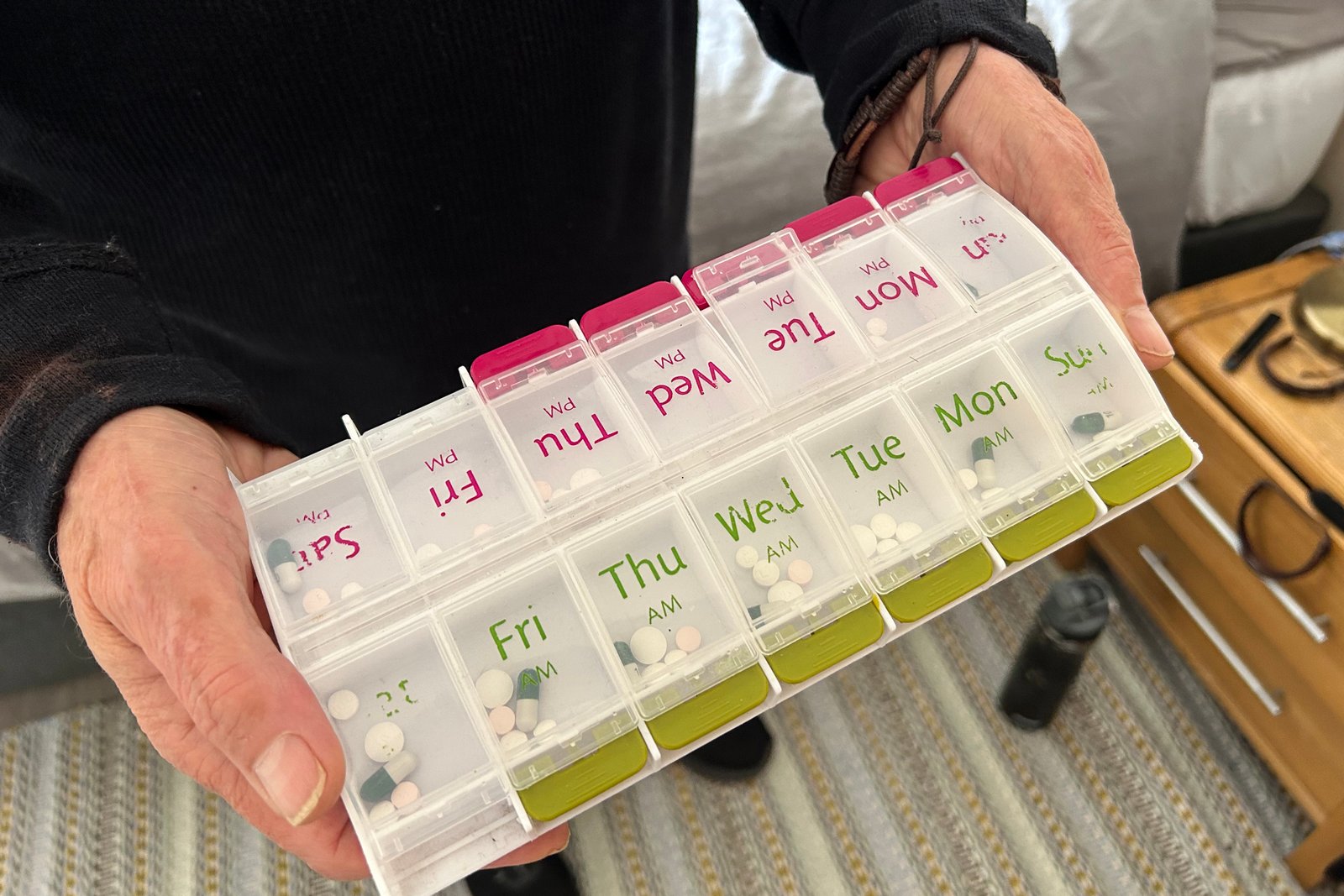
Over nearly a decade since diagnosis,Alex has maintained remarkable stability by embracing technology: setting around ten daily alarms for appointments or household chores like cooking timers via smart devices such as Alexa. He organizes meal plans using note-taking apps but regularly deletes outdated entries to prevent confusion.
The Power of Music and Community Engagement
Alex resides alone in an orderly bungalow decorated with vibrant posters showcasing iconic musicians like The Beatles and Prince-symbols evoking treasured moments from youth. He vividly recalls being deeply moved at age 12 while listening to Marvin Gaye’s “what’s Going On” during winter skating sessions in Manchester.
A lifelong concert enthusiast who has attended thousands of live shows-including memorable performances such as Nina Simone at the Apollo Theater-music remains central to his identity. his passion also reflects political roots; growing up within Irish-Italian communities exposed him early on to songs advocating social justice and freedom.
This enthusiasm extends beyond music into activism: organizing local football fan gatherings supporting Liverpool FC while participating in rallies championing immigrant rights illustrates how he stays socially connected despite cognitive hurdles.
Pursuing Autonomy Through Assisted Dying Advocacy
An outspoken advocate for assisted dying rights, Alex views this choice as an essential personal liberty comparable to freedoms celebrated during cultural movements like those inspired by Bob Dylan’s protest songs amid the civil rights era.
He has obtained approval through Swiss organizations where assisted dying is legally permitted under strict regulations (excluding euthanasia). This option provides reassurance amidst uncertainty about future mental decline; having control over how life concludes grants him peace today.
A Family Legacy Influencing His Perspective
Dementia profoundly affected Alex’s family history: both parents experienced it later in life-his father Vincent was diagnosed at 70 before developing multiple system atrophy followed by dementia; his mother Marie faced similar challenges starting at age 84. Witnessing their rapid deterioration shaped Alex’s views on dignity near life’s end profoundly.
Vincent was onc an avid marathon runner but became bedridden after aggressive symptoms emerged post-diagnosis. His final plea-to be relieved from suffering-even if it meant breaking laws-is something that still haunts Alex: “If I could have granted him peace then-even if illegal-I would have.” This experience motivated Alex toward exploring legal options abroad where assisted dying is regulated following Switzerland’s pioneering legalization as 1941.
Merging Humor With Hard Realities Post-Diagnosis
The moment confirmation arrived remains etched clearly despite its weight-a small paper tree displayed patient wishes including one labeled “peace” that he added just before entering the clinic room where two doctors awaited prepared with tissues.
Even then humor surfaced: responding playfully when asked if alone during consultation eased tension briefly amidst sobering news confirming Alzheimer’s progression affecting cognition severely enough that time often slipped unnoticed during daily routines or work correspondence errors became apparent.
soon after accepting diagnosis came relief upon accessing Swiss channels allowing planned autonomy rather than desperation-driven suicide attempts common among those facing terminal neurodegenerative illnesses without legal support systems available locally (2025).
Coping With losses Within Family & Emotional Complexity
Telling family members proved difficult too; informing mother Marie triggered mixed feelings given her devout Catholic background yet surprisingly supportive stance regarding assisted death plans offered solace amid grief.
Watching her gradual physical decline reinforced painful realities all too familiar following Vincent’s journey years earlier.
Despite sorrow surrounding their passing came moments tinged simultaneously with relief knowing suffering ended compassionately rather than prolonged indefinitely against wishes privately expressed yet unattainable legally within UK boundaries currently pending legislative debates (2025).
A Vision Toward Legal Reform And Community Support Networks
- Alex dedicates increasing efforts toward campaigning for reforming UK laws governing end-of-life choices;
- He actively engages online forums offering guidance for others confronting similar diagnoses;
- Takes part emotionally supporting individuals traveling abroad seeking peaceful deaths unavailable domestically due mainly restrictive legislation;
- Bills recently passed lower parliamentary houses propose limited eligibility criteria sparking debate between medical professionals versus disability advocates concerned about safeguards;
- A majority public opinion survey indicates approximately seventy-five percent favor legalization reflecting shifting societal attitudes though implementation remains complex;
- The financial cost associated (~£15k) restricts access primarily benefiting wealthier individuals highlighting equity issues inherent without systemic nationwide reform;
Mental Fortitude Amid Uncertainty And future Aspirations
“I approach my condition like any relationship – sometimes balanced sometimes not – requiring patience,” reflects Alex following recovery from kidney stone surgery via video call.
“My mind feels like a cluttered computer constantly deciding which details stay or go.”
Losing track occasionally remains frustrating especially distinguishing recent notes versus older writings complicates memory management further.
Yet optimism persists regarding quality living including hopes soon riding motorcycles again once pain treatments improve alongside attending more concerts despite limitations imposed by illness progression.
Ultimately embracing joy wherever found sustains spirit:
“Death itself no longer frightens me because I know I won’t endure prolonged agony.”
An Enduring Call For Compassionate Choices Worldwide
Alex stresses everyone deserves access to dignified death experiences nonetheless of socioeconomic status emphasizing ethical considerations beyond legality alone: “Respect must accompany us even as we face mortality.”