“Jimmy Kimmel Live!” Returns to ABC Amid controversy and Industry Challenges
Resumption After Temporary Halt
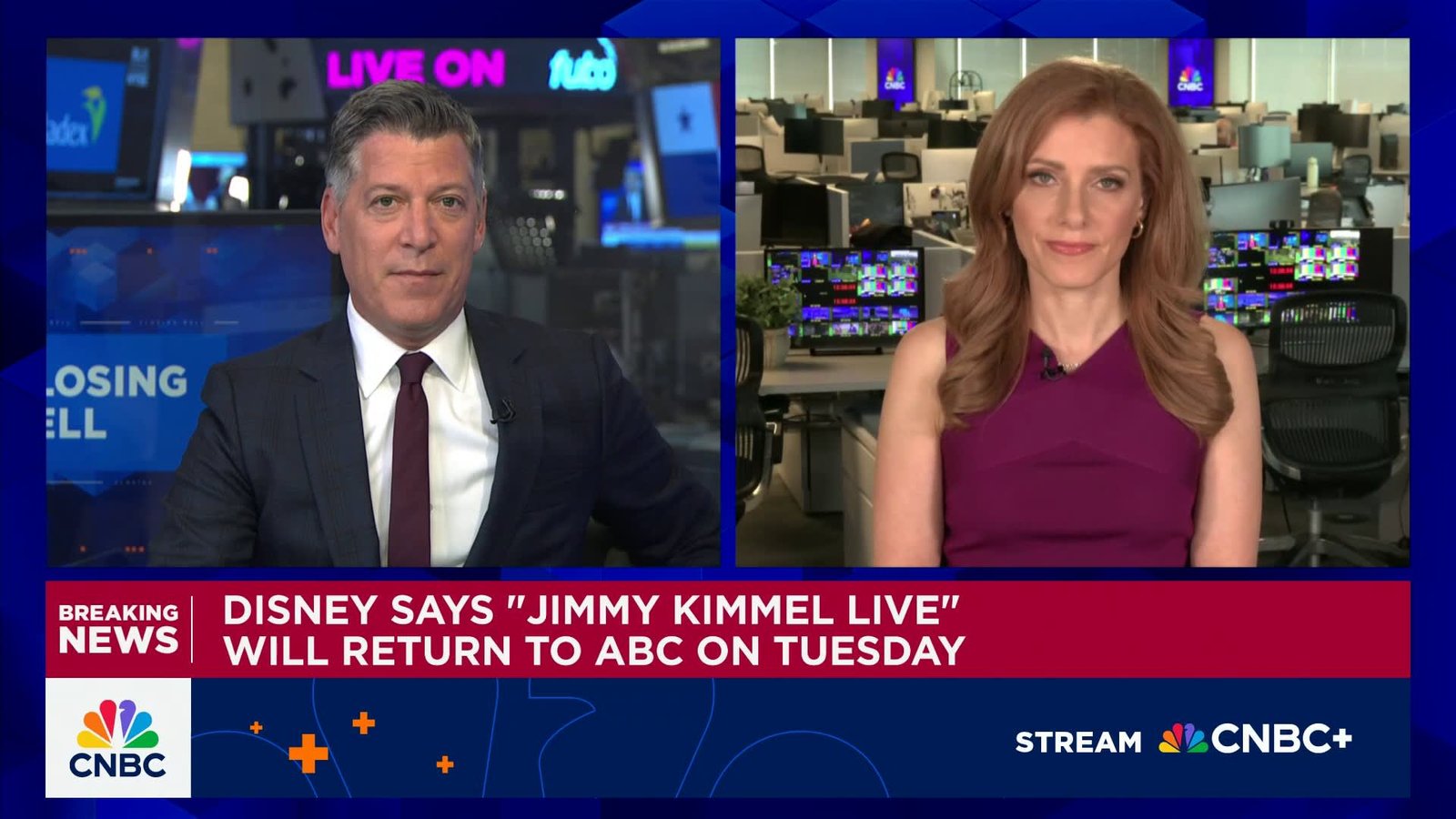
The Walt Disney Company has officially announced that “Jimmy Kimmel Live!” will resume airing on ABC starting Tuesday, following a nearly week-long suspension. The pause came after host Jimmy Kimmel made remarks linking the alleged killer of conservative activist Charlie Kirk to supporters of former President Donald Trump’s MAGA movement, sparking significant backlash.
Disney clarified that the initial suspension aimed to de-escalate tensions during a highly sensitive national moment.The company acknowledged that some comments were ill-timed and might have been perceived as lacking sensitivity. After extensive discussions with Kimmel, Disney opted to bring the show back into its regular lineup.
Kimmel is anticipated to address these recent events in his upcoming episode,which will be recorded prior to its broadcast.
Broadcast Partners’ Responses and Media Consolidation Trends
The decision to suspend followed pressure from major station groups such as Nexstar Media Group-operator of over 200 local stations-and Sinclair Broadcast Group.Nexstar declared it would indefinitely stop airing “Jimmy Kimmel Live!” across its ABC affiliates, while Sinclair demanded formal negotiations with ABC regarding professionalism before considering reinstatement.
When Disney announced the show’s return publicly, local station owners received simultaneous notification. However, neither Nexstar nor Sinclair immediately confirmed whether their affiliates would resume broadcasting the program upon its comeback.
This dispute unfolds amid significant consolidation within U.S. broadcast media: Nexstar is currently pursuing a $6.2 billion merger with Tegna Inc., perhaps altering market ownership caps; meanwhile, Sinclair continues exploring acquisition opportunities for its broadcasting assets without finalizing any agreements yet.
Regulatory Environment and Political Pressures Impacting Networks
ABC operates under federal licenses granting access to public airwaves-a privilege contingent upon serving “the public interest.” Federal Communications Commission (FCC) Chair Brendan Carr has hinted at possible consequences for networks involved in content controversies like this one, signaling heightened regulatory scrutiny amid today’s politically charged atmosphere.
Former President Trump has openly criticized networks including ABC and NBC for what he perceives as anti-conservative bias and even suggested potential revocation of broadcast licenses for outlets opposing him politically-raising concerns about government influence over free speech within media platforms.
Kimmel’s Remarks Ignite Nationwide Discussion
In his monologue last week, Jimmy Kimmel accused individuals aligned with Trump’s MAGA movement of distancing themselves from an alleged murderer connected to Charlie Kirk while exploiting the tragedy for political gain. He pointed out symbolic gestures such as flags flown at half-staff by the White House amidst criticism but also noted genuine expressions of grief shown by President Trump during related events.
This incident sparked widespread debate among entertainers, politicians, and advocacy organizations about balancing freedom of expression against accountability in televised commentary-especially within late-night shows traditionally known for political satire but now facing intensified scrutiny amid polarized audiences nationwide.
Censorship Concerns among Entertainment Professionals
- A coalition including former late-night hosts condemned what they described as censorship driven by presidential pressure;
- A letter signed by over 400 artists organized through civil liberties groups called the suspension a troubling precedent threatening free speech;
- Ex-entertainment executives criticized FCC actions viewed as intimidation tactics targeting broadcasters;
- Conversely, some Republican lawmakers denounced FCC involvement in editorial decisions tied to controversial broadcasts;
Diverse Civic Reactions Highlight Divisions
- An emerging New York City mayoral candidate withdrew from an event hosted by an ABC affiliate citing protest against network decisions surrounding “Jimmy Kimmel Live!”;
The Changing Landscape: Late-night Television Under Pressure
This controversy echoes recent shifts such as CBS ending Stephen Colbert’s “The Late Show,” fueling ongoing debates about how political pressures increasingly shape content availability on mainstream platforms compared with previous decades when satire enjoyed broader creative freedom without direct regulatory or corporate interference linked explicitly to partisan conflicts.
“The intersection between politics and entertainment has never been more complex,” observed an industry analyst reflecting on current trends where broadcasters must carefully balance artistic expression against commercial interests amid volatile cultural climates.”
Navigating Free Speech Versus Public Accountability Moving Forward
The revival of “Jimmy Kimmel Live!” marks another chapter in ongoing tensions between creative autonomy within mass media outlets and external forces seeking greater control or influence over messaging disseminated nationwide via public spectrum channels. As mergers reshape ownership landscapes alongside increasing political interventions into programming choices, questions persist regarding how networks can uphold both their legal obligations-to serve community interests-and cultural expectations-to foster open dialog without undue censorship risks or politicization challenges.