Kim Jong Un Indicates Readiness for Dialog with the United States
In a significant progress, North Korean leader Kim jong un has conveyed a willingness to engage in discussions with the United States, explicitly naming President Donald Trump. This announcement comes shortly after Kim’s joint appearance with China’s and Russia’s presidents at a military parade in Beijing-a demonstration widely seen as a strategic signal aimed at Washington.
North Korea’s Nuclear Policy and Diplomatic Conditions
Addressing north Korea’s Supreme People’s assembly, Kim reaffirmed his country’s firm stance on retaining its nuclear weapons program. He stressed that denuclearization is off the table unless the U.S. abandons what he called an “unrealistic obsession” with this demand and instead pursues authentic peaceful coexistence.
“If America stops its unreasonable insistence on our denuclearization,accepts reality,and seeks genuine peace,” Kim declared,“there is no reason why dialogue cannot happen.”
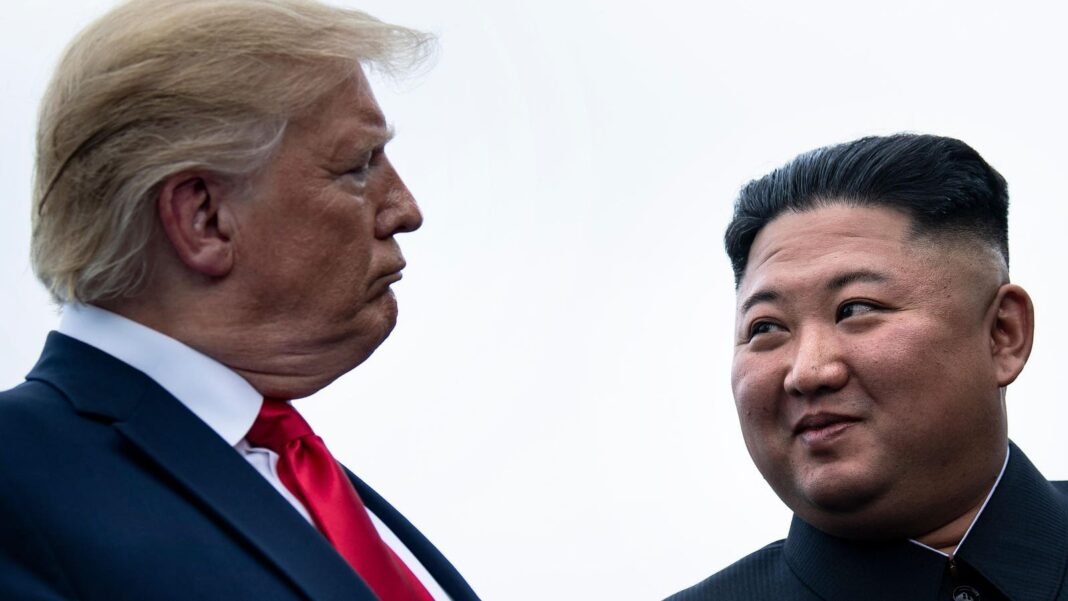
This speech marked the first time since assuming power that Kim directly mentioned Donald Trump by name,recalling their previous interactions warmly: “I still hold fond memories of President Trump.”
A Stark Contrast: Firm Stance Toward South korea Amid Openness to U.S. Talks
While signaling potential negotiations with Washington,Kim adopted a much tougher tone regarding Seoul. He firmly dismissed any prospects of talks or reunification efforts under current circumstances-criticizing South Korea for its heavy reliance on foreign powers for political guidance and defense support.
Cautious Optimism from Seoul Focused on Denuclearization Goals
The South Korean government responded to these developments with measured optimism. Officials expressed willingness to facilitate communication between North Korea and the United States while emphasizing their unwavering commitment toward achieving a nuclear-free Korean Peninsula.
“We stand ready to support initiatives aimed at easing tensions and building trust,” stated representatives from South Korea’s presidential office. “Our ultimate goal remains establishing enduring peace without nuclear weapons.”
The Potential for Renewed Summits: Lessons from History
No official plans have been announced yet regarding upcoming meetings between Trump and Kim; however,forthcoming international gatherings may offer opportunities for renewed engagement. The Asia-Pacific Economic Cooperation (APEC) Summit next month in Gyeongju-hosted by South Korea-could provide neutral ground near the inter-Korean border where informal discussions might occur.
This possibility recalls their landmark 2019 summit when President Trump became the first sitting U.S.president to briefly step onto North Korean soil during talks held within Panmunjom’s demilitarized zone-a powerful symbol of thawing relations despite ongoing challenges.
A Review of Key U.S.-North Korea Summits During Trump’s Presidency
- The Singapore Summit (2018): A historic first meeting between leaders of both nations resulting in a joint statement committing to peaceful relations and working toward complete denuclearization of the peninsula.
- the Hanoi Summit (2019): Follow-up negotiations held in vietnam that ended abruptly without agreement due mainly to disagreements over sanctions relief demanded by Pyongyang.
- The Panmunjom Meeting (2019): A symbolic encounter along the border where President Trump crossed briefly into North Korean territory-a diplomatic gesture highlighting possibilities despite stalled progress afterward.
The Geopolitical Landscape Influencing Dialogue Prospects in 2025
This recent overture emerges amid evolving power dynamics across East Asia where China’s expanding influence intersects with Russia’s strategic interests-factors that both complicate and perhaps enable renewed diplomacy involving Washington and Pyongyang alike. Analysts observe that while displays such as Beijing’s military parade project strength against perceived American pressure, they simultaneously open avenues for negotiation under new terms reflecting shifting regional realities today.
“The complex interplay among major powers presents both barriers and openings; grasping these dynamics is essential if meaningful progress toward peace is ever going to be realized.”
Navigating Challenges Ahead Despite Emerging Opportunities
- Nuclear disarmament remains non-negotiable from Pyongyang unless essential changes occur in U.S policy approaches;
- Tensions persist between Koreas largely due to divergent political alignments influenced externally;
- Sustained diplomatic breakthroughs require building mutual trust beyond symbolic acts;
- Evolving global power structures demand adaptive strategies sensitive not only bilaterally but multilaterally within Asia-Pacific frameworks;
- Civil society increasingly advocates integrating humanitarian concerns alongside security priorities amid decades-long conflict legacy.