Delays in Electric Vehicle Tax Credit Processing Challenge Dealerships Ahead of Expiration
IRS Backlogs Stall EV Incentive Approvals
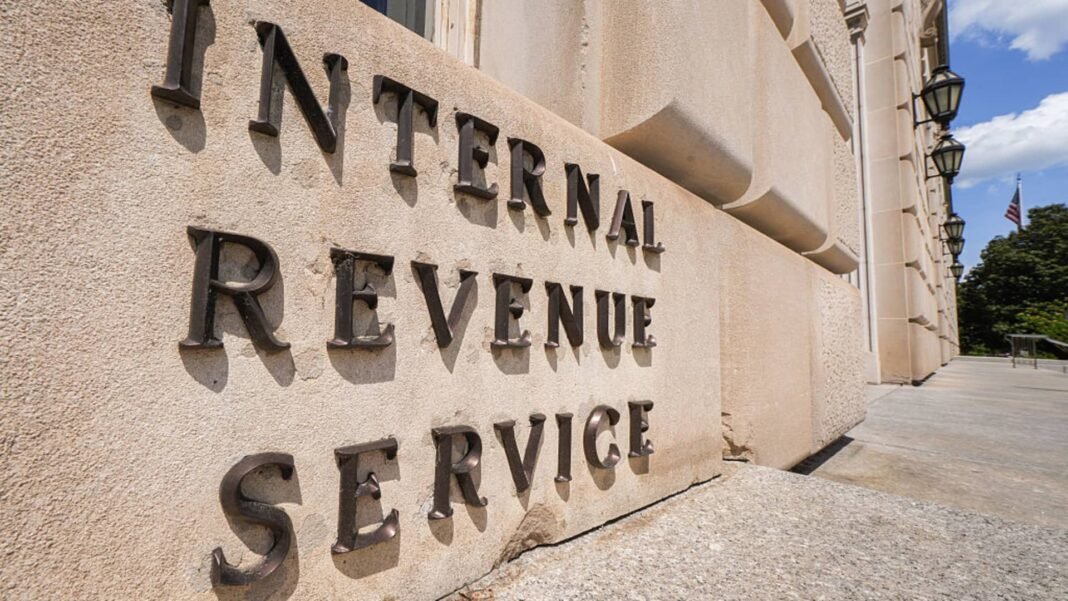
The Internal Revenue Service has recently encountered significant delays in processing and reimbursing federal tax credits for electric vehicles, causing widespread disruption among dealerships across the country.These hold-ups have emerged just days before the tax credit program is scheduled too expire, injecting uncertainty into sales operations.
Dealerships from multiple states report that applications submitted as mid-September remain unresolved far beyond typical timelines. Industry analysts confirm these delays are pervasive, placing considerable financial pressure on dealers who usually advance these rebates directly to customers at the point of sale.
Financial Burden on Dealers Advancing EV Tax Credits
Consumers purchasing new electric vehicles can receive up to $7,500 in federal tax credits upfront,while used EV buyers may qualify for rebates up to $4,000. These incentives often serve as immediate price reductions or down payments during purchase transactions. Though, dealerships must initially cover these amounts out-of-pocket until IRS reimbursement arrives.
Historically, reimbursements were processed within a few days; now manny dealers face waits extending several weeks without clear updates from the IRS. Some have already fronted tens of thousands of dollars without receiving repayment.
A dealer based in the Midwest disclosed carrying nearly $120,000 in unreimbursed credits after advancing incentives this month alone while awaiting IRS approval.
The Impact Amid Peak Sales season
This backlog coincides with a surge in electric vehicle purchases fueled by consumers eager to claim expiring tax benefits before the September 30 deadline. August recorded an unprecedented 45% year-over-year increase in both new and used EV sales nationwide-setting expectations for another strong month despite processing challenges.
Nevertheless, some dealerships are scaling back participation due to financial risks posed by delayed reimbursements.Reports indicate certain sellers are withholding inventory until full payment is confirmed or discontinuing upfront credit offers entirely.
The Cash Flow Crunch Facing Dealerships
The dealership business model depends heavily on consistent cash flow; prolonged reimbursement delays threaten liquidity during what should be peak revenue periods. A Florida-based dealer estimates he is owed close to $95,000 after advancing rebates this month but remains unpaid as applications linger unresolved with no clear timeline from authorities.
“This silent crisis is intensifying at exactly the worst possible moment.”
Uncertainty Surrounding Causes and Official Responses
The root causes behind these slowdowns remain speculative: some attribute them to staffing shortages combined with surging request volumes overwhelming IRS capacity; others suggest political factors might potentially be influencing administrative priorities amid recent legislative changes that accelerated program termination dates earlier than anticipated.
An official assurance confirms all valid claims submitted before September 30 will ultimately be honored; however, no specific timelines or explanations regarding current backlogs or communication gaps between dealers and government agencies have been provided so far.
Industry Groups Push for Faster Resolutions
Nationwide trade associations representing automobile dealers acknowledge awareness of ongoing issues and report active dialog with IRS officials seeking expedited payments prior to program closure. Despite cooperation claims from authorities, many members continue facing pending statuses without definitive resolution dates announced yet.
The Importance of Immediate Rebates for Buyers

Tangible access to tax credits at purchase time significantly reduces monthly loan payments and overall ownership costs-especially critical for buyers financing over multiple years. Without instant discounts applied at sale points-of-purchase (POS), monthly installments can rise by approximately $90-$130 depending on loan terms and vehicle pricing tiers today’s market reflects higher average prices compared with previous years due partly to supply chain constraints affecting production costs globally.
This upfront benefit also lowers taxable amounts subject to state sales taxes-a saving not realized when claiming credits later through annual filings-which disproportionately impacts lower-income consumers who might lack sufficient annual tax liability needed for full post-purchase credit utilization under current rules.
A Dealer’s role: Providing Interest-Free Financing Through Rebates
“By advancing these rebates ourselves,” explained a multi-state dealer expanding across several Southern markets recently impacted by hurricane-related disruptions delaying shipments,” we effectively offer interest-free financing that enables more customers access clean transportation options.”
Navigating Ambiguity During Transition Periods

Sellers continue submitting rebate applications via official portals but encounter inconsistent approval times ranging from immediate clearance up through indefinite pendency lasting weeks after mid-September submissions.
This unpredictability complicates inventory management strategies: some hold vehicles hostage pending funds arrival while others absorb losses absorbing unpaid incentives themselves.
“The unclear timeline unsettles everyone involved,” one dealer summarized succinctly.”
A Pivotal Moment For Electric Vehicle Incentives And Adoption
- This growing backlog threatens momentum gained over recent months encouraging widespread adoption of cleaner transportation alternatives through accessible financial support;
- If left unaddressed promptly,the extended delays risk eroding consumer confidence just as federal backing phases out;
- A transparent resolution process paired with improved communication channels among stakeholders would help stabilize market conditions during this crucial transition;
- Ensuring timely reimbursements remains vital not only for sustaining dealership viability but also supporting broader climate objectives tied directly into accelerating nationwide EV uptake;