china’s Manufacturing sector Shows Early Signs of Recovery Amid Economic Pressures
September Manufacturing Activity Contracts Slightly but Beats Expectations
In September,China’s official manufacturing Purchasing managers’ Index (PMI) recorded a marginal contraction,registering at 49.8-just under the critical 50-point mark that distinguishes expansion from contraction.This figure surpassed market forecasts and represented the strongest reading as March, indicating tentative stabilization in industrial production despite ongoing economic headwinds. The improvement coincided with Beijing’s intensified efforts too tackle industrial overcapacity amid sluggish domestic demand and persistent global trade uncertainties.
Production Gains and New Orders Signal Emerging Optimism
The production sub-index surged to 51.9, marking a six-month high as factories increased their output levels. Meanwhile, new orders approached growth territory with a reading of 49.7, reflecting cautious confidence among manufacturers about future demand prospects. Inventory depletion slowed as well, with an index score of 48.5 suggesting easing supply chain bottlenecks compared to previous months.
Key Growth Drivers: Advanced Equipment and Technology Sectors
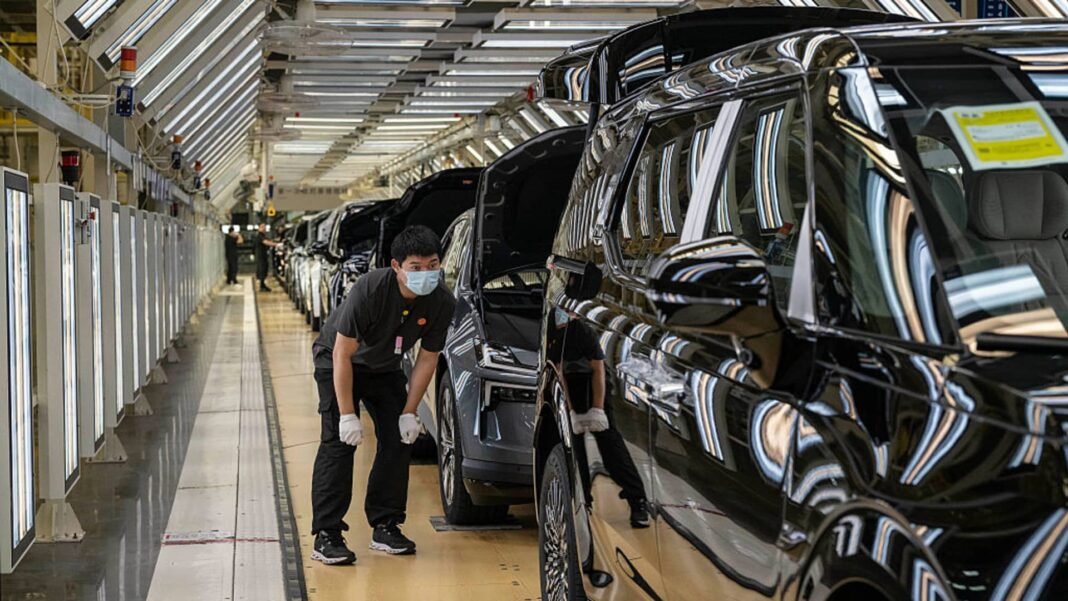
The rebound in manufacturing activity was predominantly driven by advancements in equipment manufacturing and high-tech consumer goods industries-sectors that not only boosted output but also saw rising incoming orders. These trends highlight the growing importance of innovation-led industries within China’s evolving industrial landscape.
Divergent Signals from Private Surveys Highlight Export Strength
A private survey conducted by RatingDog revealed a more optimistic picture for september with a manufacturing PMI of 51.2-its highest level since May this year-and exceeding economists’ expectations. This survey primarily covers export-oriented manufacturers across approximately 650 companies surveyed mid-month.
The uptick was largely fueled by increasing new orders both domestically and internationally, underscoring improving external demand despite ongoing tariff frictions with major trading partners such as the United States.
Contrasting Official Data Versus Private Sector Insights
The official PMI data encompasses over 3,000 firms sampled at month-end across multiple sectors including services and construction; notably non-manufacturing PMI dipped slightly from 53 to 52.9 during this period. In contrast, private surveys tend to capture more upbeat conditions within export-driven segments of the economy where recovery appears stronger.
Economic Indicators Reveal Lingering Challenges Beyond Manufacturing
- Retail Sales Growth: Consumer spending has decelerated for three consecutive months amid cautious household sentiment despite government stimulus efforts.
- Consumer Price Index (CPI): Deflationary pressures persist as CPI recently slipped into negative territory again-a sign of weak domestic consumption dynamics.
- Industrial Profits: Industrial enterprises posted double-digit year-over-year profit growth in August due partly to government measures curbing oversupply issues and stabilizing prices among producers.
Navigating Policy Responses Amid Economic Slowdown Concerns
An upcoming Politburo meeting is anticipated to clarify Beijing’s approach toward managing economic headwinds observed during Q3 while striving to meet its annual growth target near a full-year goal around 5%. Analysts suggest authorities may accept slower momentum through H2 provided overall yearly objectives remain attainable following robust GDP expansion above 5%% during the frist half of the year.
A Long-Term Outlook on China’s Growth Trajectory
“Sustaining steady progress requires navigating complex structural shifts while fostering innovation-led industries,” experts note regarding China’s evolving economic landscape.”
Economic projections estimate an average annual GDP growth rate close to 4.5%% through the mid-2030s-a pace comparable historically only to Japan’s late-1970s development stage when adjusted for inflation-highlighting challenges ahead given current income levels and demographic trends.
Tackling Global Trade Frictions While Boosting Domestic Demand Through Innovation
The continuation of elevated U.S.-imposed tariffs remains a drag on export volumes; however, many Chinese manufacturers are adapting by diversifying markets or upgrading product lines toward higher value-added goods such as electric vehicles (EVs) or advanced electronics components produced domestically or exported globally from key hubs like Ningbo province-a region experiencing notable increases in manufacturing activity this year due partly to these strategic shifts.

This gradual pivot towards technologically complex products aligns closely with national policies aimed at reducing dependence on vulnerable foreign markets exposed to geopolitical risks while stimulating internal consumption via innovation-driven development strategies targeting sustainable long-term growth beyond traditional heavy industry sectors.