



Immigration Raids Disrupt Chicago’s Food Delivery workforce and E-Bike Industry
A striking video recently emerged showing a food delivery rider racing across a Chicago bridge on an e-bike, chased by armed federal agents shouting commands. The courier narrowly avoided capture, underscoring the heightened tension surrounding immigration enforcement in the city’s gig economy.
Growing Anxiety Among Delivery Riders Amid Intensified Immigration Crackdowns
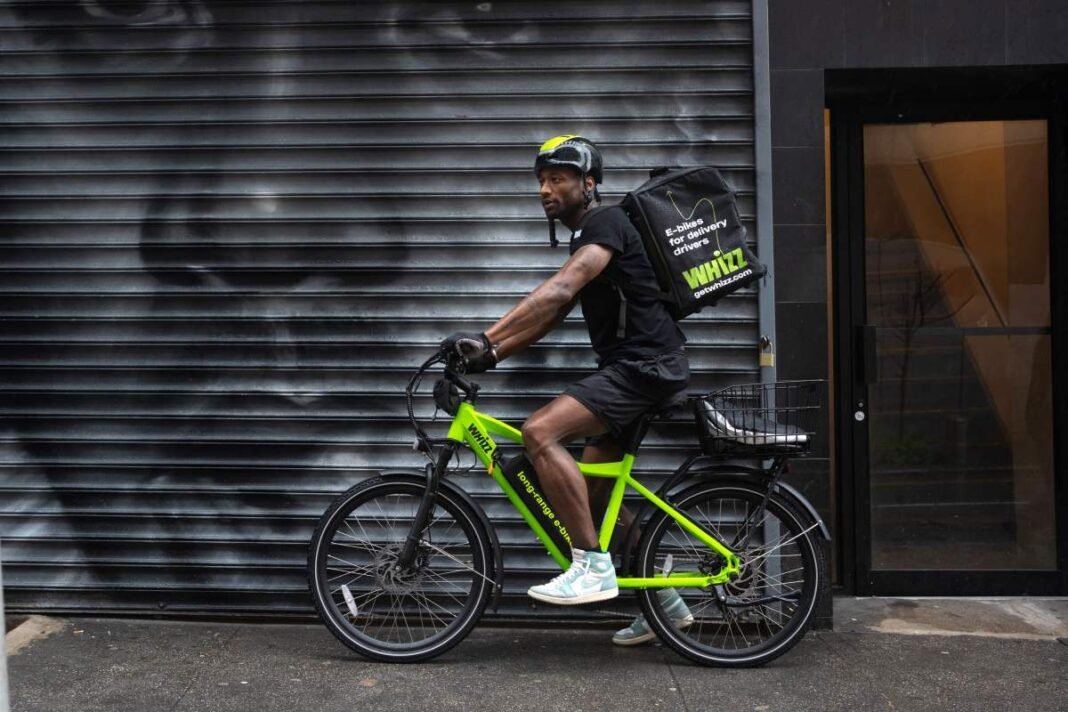
This viral footage has become a symbol of the widespread unease felt by many food delivery workers in Chicago. Mike Peregudov, co-founder of Whizz-a company providing e-bike subscriptions-notes that this fear is reflected in their operational data. In recent weeks, Whizz has witnessed a noticeable slowdown in expanding its fleet within the city.
“Our growth plateaued because delivering orders here has become increasingly difficult,” Peregudov shared.The presence of Customs and Border Protection (CBP), Immigration and Customs Enforcement (ICE), and other deportation agencies now directly impacts their business metrics.
Rapid Expansion Halted by Escalating Enforcement Measures
Whizz began operations in Chicago just months ago but saw swift growth during spring and summer-from zero bikes available in March to nearly 300 units by late July. This expansion aimed to offer reliable, affordable electric bikes for gig workers who previously relied on inconsistent or banned transportation methods like gasoline mopeds or scooters.
The momentum shifted sharply after August when federal authorities announced plans to deploy National Guard troops to assist with immigration enforcement efforts. Since then,Whizz reports an 8% drop in business as intensified raids have unsettled many delivery riders.
Wider effects Felt Across Major U.S. Cities
The surge in immigration enforcement extends beyond Chicago; similar operations are underway where Whizz operates-including New York City, San Francisco, Philadelphia, and Washington D.C.-though militarized deployments like those seen in Chicago remain rare so far.
Interestingly,Washington D.C.’s market continues growing despite National Guard involvement there as well. Peregudov attributes this partly to crackdowns on unlicensed gasoline-powered mopeds pushing more riders toward legally compliant electric bikes offered through subscription services like Whizz.
Anxiety Spreads beyond Undocumented Workers
Peregudov stresses that concerns about these raids affect not only undocumented immigrants but also documented residents and U.S.-born citizens alike as lawful individuals have been temporarily detained during sweeps. “Even if someone proves legal status after being held for up to two weeks,” he explained, “the lost time can severely disrupt their income.”
E-Bike Subscriptions: A Practical Solution Amid Regulatory Uncertainty
- Consistent Mobility: Many delivery workers historically depended on unreliable or prohibited vehicles; subscription models like whizz provide dependable e-bikes designed specifically for urban deliveries.
- user-Kind Access: Anyone with valid identification documents-including Social Security number-and credit card can rent from Whizz without needing employment verification-offering versatility amid job instability caused by immigration crackdowns.
- Navigating Legal Challenges: As authorities increasingly target unlicensed gas-powered mopeds over electric alternatives at present, demand shifts toward less regulated options that still meet riders’ needs efficiently and safely.
A Founder’s Insight: Navigating Immigration Challenges Personally
Peregudov immigrated under a talent visa process-a pathway he describes as comparatively less stressful than what many gig economy workers face today amid aggressive enforcement policies targeting vulnerable populations within urban centers nationwide.


