Elon Musk Triggers Netflix boycott Over Animated series Controversy
Debate Ignited by transgender Character in Popular Animation
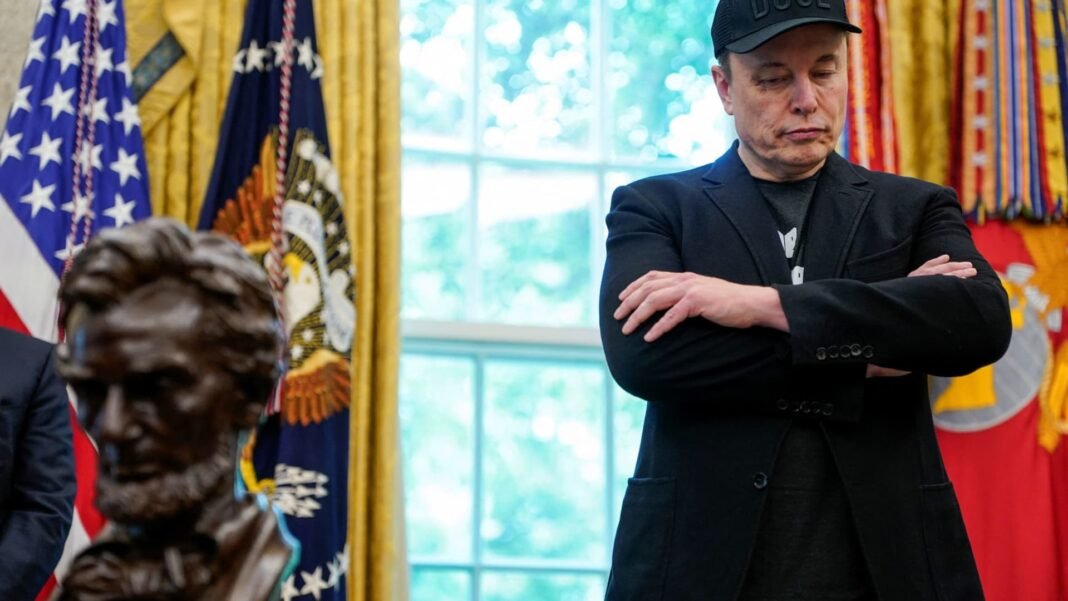
Elon Musk recently urged his followers to cancel their Netflix subscriptions, sparking intense discussions about an animated show and its depiction choices. This call came amid criticism from conservative groups targeting the streaming platform for including a transgender character in the series Dead End: paranormal Park, which concluded after two seasons in 2023.
Musk’s post on X (formerly Twitter) warned, “cancel netflix for the health of your kids,” echoing claims that Netflix is pushing a so-called “transgender woke agenda.” This backlash highlights ongoing cultural clashes over LGBTQ+ visibility within mainstream entertainment.
The Creator’s Outlook and Public Reactions Online
The show’s creator, Hamish Steele, responded to Musk’s remarks on bluesky with a lighthearted comment: “It’s probably going to be a very odd day.” Steele also shared support from TV writer Jack Bernhardt, who praised Dead End: Paranormal Park as “a brilliant show about kind, marvelous characters.” Despite mounting controversy, Netflix has chosen not to issue any public statements regarding the matter.
Musk further engaged with social media users accusing Steele of making insensitive comments related to conservative activist Charlie Kirk. These exchanges have deepened divisions online between advocates of free speech and those concerned about political correctness.
The Financial Impact: Assessing the Effectiveness of the Boycott
Industry analysts believe this boycott will have minimal impact on Netflix‘s financial health. As of early 2024, Netflix boasts over 301 million subscribers worldwide and has shifted its focus from rapid user growth toward maximizing revenue streams. The company currently holds an estimated market value near $490 billion and has experienced more than a 60% increase in stock price over the past year.
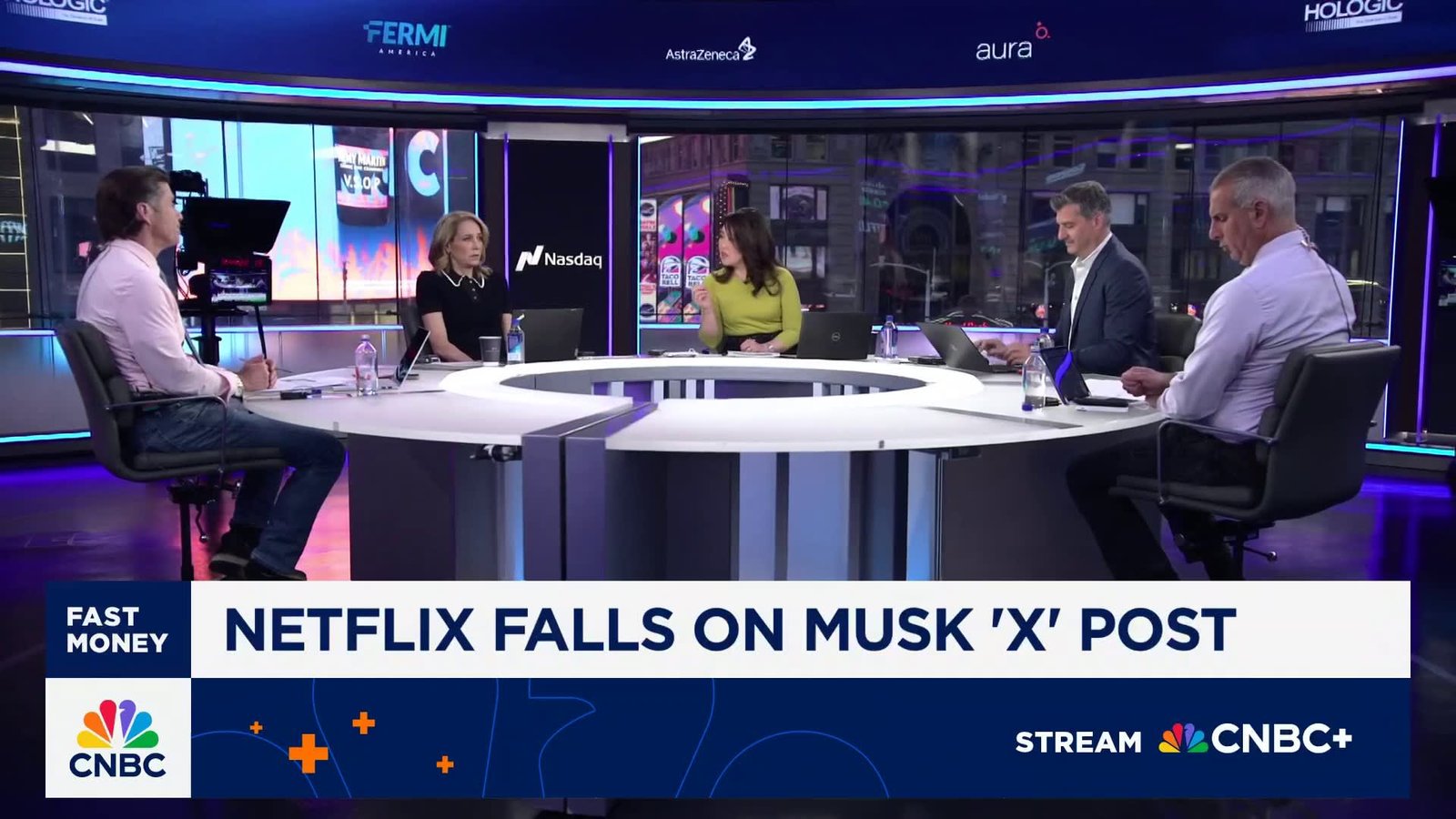
This week saw shares dip roughly 4%, but experts remain confident. Market commentator Guy Adami noted that controversies like these often trigger counter-movements where new subscribers join specifically to oppose boycotts. He emphasized that such social media-driven events rarely justify selling stock based solely on trending debates.
Alicia Reese from Wedbush Securities pointed out that since these criticisms emerged late into Q3 earnings cycles, any subscriber losses would likely be negligible and offset by growing advertising revenues. Tim Seymour of seymour Asset Management agreed that while headlines may cause short-term volatility, they do not fundamentally alter Netflix’s valuation or long-term outlook given its premium pricing strategy.
A Historical Lens: Comparing Similar Brand Backlash Episodes
The current calls for canceling Netflix mirror previous boycotts such as those against Anheuser-Busch InBev following their controversial ad campaign featuring transgender influencer Dylan mulvaney in 2023. That incident led to notable sales declines for Bud Light compared with competitors like Modelo; however, financial experts view such outcomes as exceptions rather than typical results when brands face sociopolitical controversies.
Karen Finerman observed that this latest backlash against Netflix is expected to be temporary and less damaging overall compared with earlier high-profile consumer reactions involving major corporations embroiled in culture wars.
Navigating Cultural Challenges: What Lies Ahead for Streaming Services?
- Diverse storytelling initiatives: Streaming platforms continue investing heavily in inclusive narratives despite polarized audience responses across different demographics.
- user base stability: Massive subscriber numbers provide resilience against brief boycotts largely driven by social media activism rather than widespread consumer behavior changes.
- Evolving revenue models: Increased adoption of ad-supported subscription tiers helps cushion potential losses during periods marked by public relations challenges linked to content decisions or corporate values.
- Cultural balancing act: Media companies face mounting pressure globally to balance creative freedom with sensitivity toward diverse viewer groups amid rising political polarization worldwide.
“Disputes around representation often ignite passionate debates but seldom cause lasting financial harm when companies maintain strong fundamentals,” remarked one market analyst reflecting broader industry trends as streaming services adapt within shifting cultural landscapes.”