
North Korean Hackers Exceed $2 Billion in Cryptocurrency thefts in 2025
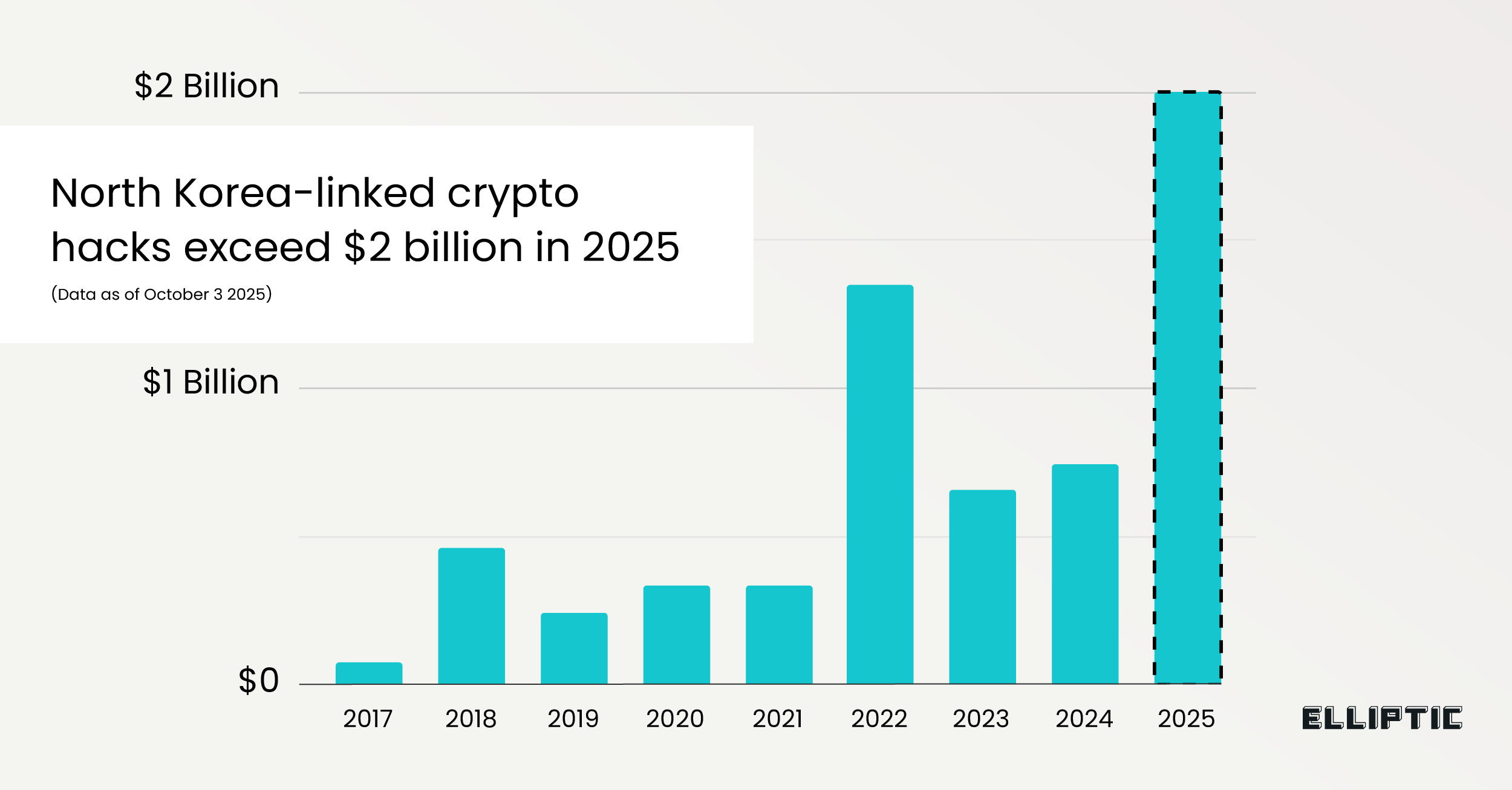
in 2025, cybercriminal groups associated wiht North Korea have reportedly stolen over $2 billion through cryptocurrency-related attacks, setting a new annual record.This estimate comes from complete blockchain analyses that uncovered more than 30 distinct hacking operations targeting digital assets.
Record-Breaking Crypto Theft Activity
This year’s total substantially outpaces the previous high of approximately $1.35 billion stolen in 2022 by these actors. Since 2017, their cumulative illicit gains from crypto thefts are believed to surpass $6 billion. However, experts warn this figure may be understated due to the secretive nature of these cyber operations and underreporting.
“Definitively linking cyber heists to North Korea remains complex,” cybersecurity specialists explain. “Many attacks share similar hallmarks but lack irrefutable evidence for attribution,and numerous incidents likely remain undisclosed.”
Evolving Attack Strategies: From Platforms to High-Net-Worth Individuals
While cryptocurrency exchanges continue to be prime targets for these hackers, there is an increasing focus on affluent individuals holding considerable crypto portfolios. This shift indicates a strategic broadening of targets beyond institutional platforms toward high-value personal accounts.
The tactics employed have also transformed considerably over recent years. Unlike earlier breaches that exploited technical flaws within blockchain systems, most hacks this year have relied predominantly on social engineering-manipulating human behavior rather than technological vulnerabilities-to gain unauthorized access.
The Rising Threat of Human-Centric Attacks
This trend highlights a crucial vulnerability: human error and deception now represent the weakest link in cryptocurrency security frameworks. Attackers are increasingly leveraging psychological manipulation and trust exploitation instead of solely relying on software or hardware weaknesses.
international recognition of North Korea’s Cybercrime Impact
The magnitude of these illicit activities aligns with global assessments by cybersecurity monitoring organizations. Recent evaluations place total funds stolen close to $6 billion since 2017-a staggering amount raising alarms about state-sponsored cybercrime financing geopolitical ambitions.
- Authorities in Japan, South Korea, and the U.S.: Reported combined losses exceeding $659 million during 2024 alone attributed directly to North korean hacking groups.
- The United nations: Highlights concerns that proceeds from such crypto thefts are channeled into advancing nuclear weapons programs under Kim Jong-Un’s leadership.
Key Incidents Illustrating Massive Cryptocurrency Heists
A meaningful portion of this year’s record haul stems from a massive breach at the Bybit exchange where hackers extracted over $1.4 billion. multiple investigative bodies have officially linked this operation back to North Korean threat actors.
- Diverse victims include:
- A decentralized finance platform losing nearly $700 million during an attack in late 2023;
- A European blockchain startup suffering losses close to $120 million;
- An African-based exchange targeted for approximately $250 million earlier this year;
- Numerous smaller-scale but cumulatively impactful breaches across various sectors within the crypto ecosystem.
The Wider Consequences for Cryptocurrency Security Worldwide
This surge not only underscores ongoing geopolitical risks embedded within digital financial networks but also emphasizes urgent needs for improved user awareness against phishing scams and social engineering tactics alongside stronger technological safeguards against system vulnerabilities.
Tackling Refined State-Sponsored Cyber Threats Amid Growing Crypto Adoption
As cryptocurrencies continue gaining mainstream traction-with global market capitalization fluctuating above $1 trillion as of mid-2025-addressing advanced threats posed by nation-state hackers is critical for maintaining worldwide financial stability and protecting digital asset ecosystems effectively.