Understanding the Challenges of the Israel-hamas Ceasefire Agreement
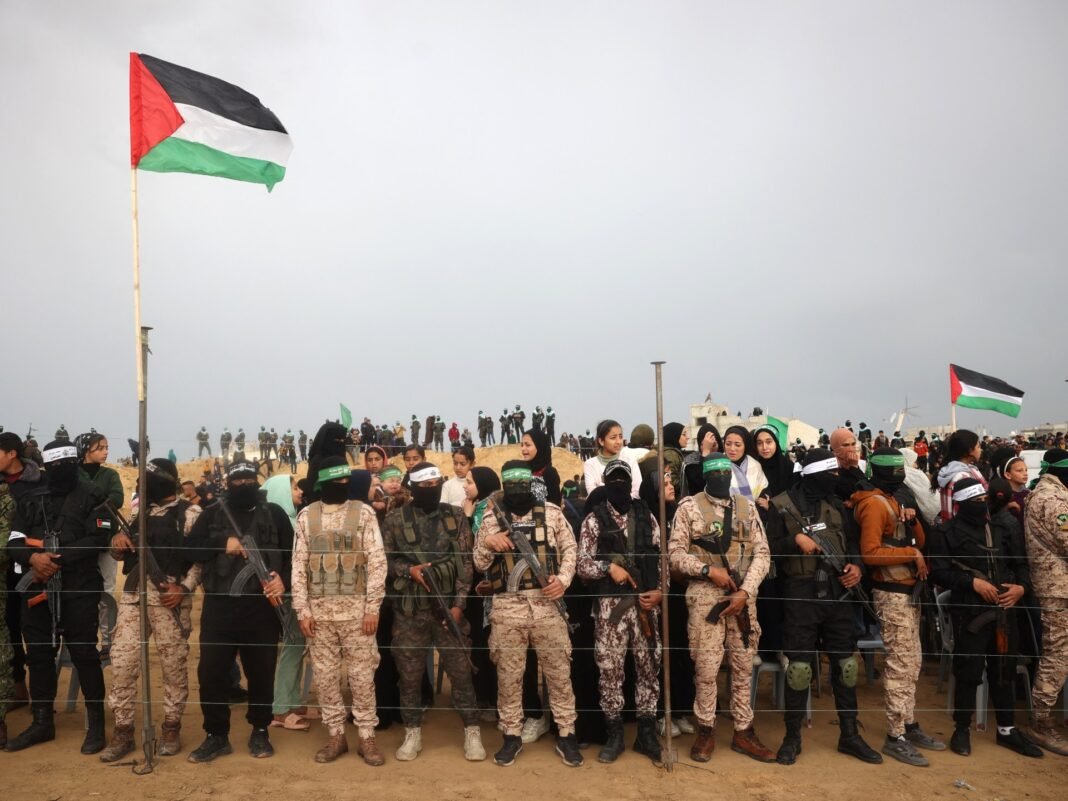
Despite reports of a preliminary ceasefire agreement between Israel and Hamas, backed by the United States, critical disagreements remain unresolved-most notably concerning the future status of Hamas’s armaments. The conflict’s persistence has intensified debates over disarmament and governance within Gaza.
Disarmament and Control: The Central Points of Contention
Israel insists that for any lasting peace to be achieved, Hamas must completely surrender its weapons.Moreover, Israel demands that Hamas relinquish political authority over Gaza and dissolve as an association after nearly two years of hostilities.
On the othre hand, while Hamas publicly rejects full disarmament, insiders reveal a cautious openness to negotiating partial decommissioning of some offensive weaponry. This reflects a strategic effort by Hamas to balance internal pressures with external demands.
Evolving Stances on Weapon Surrender
Analysts highlight this tentative flexibility as one of the most notable shifts in Hamas’s position as recent escalations began. Confidential talks suggest possible compromises involving selective dismantling of certain missile systems while retaining small arms and critical infrastructure such as tunnel networks.
The Precarious Outlook for Ceasefire Stability
The unresolved issue surrounding Hamas’s arsenal remains a major obstacle threatening to derail any ceasefire arrangement. Experts caution that failure to reach consensus could trigger renewed large-scale military operations against Gaza’s civilian population.
“Armed groups possess recognized rights under international humanitarian law to resist occupation,” yet historical patterns show Western powers frequently demand total disarmament from Palestinian factions before peace negotiations advance.
This dynamic mirrors frameworks from past peace efforts in the 1990s but faces heightened challenges today due to shifting geopolitical landscapes and entrenched mistrust between parties involved.
A Possible Compromise: Partial Disarmament?
Certain observers predict that Hamas might agree only to give up long-range offensive weapons while maintaining light arms necessary for internal security and defense against external threats. Their extensive tunnel system-crucial for movement and resistance-is considered non-negotiable until broader political solutions are reached.
The Complex Security Environment Within Gaza
Apart from Hamas, other armed groups like Palestinian Islamic Jihad (PIJ) along with smaller militias continue their resistance despite intense Israeli airstrikes aimed at degrading their capabilities over recent years.The true extent of these factions’ operational strength remains unclear due to ongoing targeted attacks on their infrastructure.
An additional layer complicating stability involves reports suggesting Israeli forces have indirectly empowered local gangs during periods of chaos by arming them-groups accused by Gazans themselves of exploiting aid shortages through theft and violence. Many residents argue that retaining some form of organized security under Hamas is essential for preventing lawlessness amid fragile ceasefires.
“Hamas plays an essential role in maintaining order,” say analysts familiar with Gaza’s internal dynamics who emphasize its relative effectiveness compared with fragmented alternatives lacking centralized control.
The potential Role for International Peacekeepers
A proposed international security force could oversee partial weapon decommissioning while providing interim stability; however,deep-seated trust issues persist. any such mission would require clear mandates excluding counterterrorism operations perceived as unfriendly or overly aligned with Israeli interests-a delicate balance arduous for Western governments wary about exacerbating tensions through direct involvement.
‘Hamas’ Beyond Militancy: A Symbolic Emblem Of Resistance’
The goal stated by Israel-to completely dismantle Hamas-is widely regarded as unrealistic given its entrenched social support among Gazans.More than just an armed faction, “Hamas” represents broader ideals tied closely with national identity and defiance against occupation pressures-a sentiment growing stronger amid escalating regional unrest affecting millions across neighboring countries like Lebanon and Syria today more than ever before.
“The resilience shown throughout prolonged conflicts has inspired similar movements regionally,” a reflection on how ideological symbolism transcends physical structures or leadership hierarchies within such organizations was noted by experts analyzing post-conflict scenarios globally including recent uprisings across North Africa.”
Sustaining Peace Requires Global Political Commitment
The longevity of any ceasefire depends heavily on influential international actors restraining maximalist conditions imposed upon Palestinians-especially those demanding complete demilitarization prior to ending occupation policies-which risks repeating past failures where unfulfilled promises led only toward cycles of violence rather than reconciliation or justice for affected communities worldwide now numbering over 5 million displaced persons linked directly or indirectly to conflicts around Palestine as early 2000s according to UN estimates.
If uncompromising terms dominate:
- This may justify renewed military offensives;
- Create new obstacles blocking meaningful dialogue;
- fuel radicalization among youth facing bleak prospects amid ongoing instability;
- Diminish chances for peaceful coexistence despite widespread global calls advocating human rights protections alongside sovereign self-determination principles embedded within modern wartime legal frameworks today;