Mark Carney Leads Crucial G7 Summit Amidst Global Turmoil
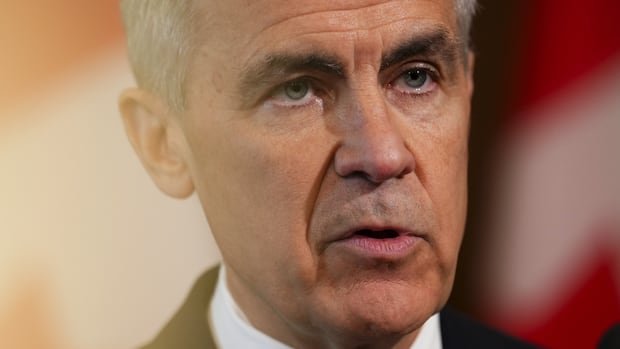
Prime Minister Mark Carney is bringing together leaders from the world’s leading democracies for a pivotal three-day summit in the Rocky Mountains. This event is anticipated to be one of the most consequential G7 meetings in recent years, given the intricate and urgent global issues currently unfolding.
Summit Priorities: Addressing Today’s Most Pressing Challenges
The summit agenda zeroes in on critical international matters such as ongoing conflicts, energy security with a spotlight on essential minerals and artificial intelligence governance, and building strategic alliances for future resilience. Additionally, escalating wildfire incidents across Western Canada have sparked conversations about enhancing joint emergency responses, including proposals for a “wildfire charter” to improve cross-border cooperation.
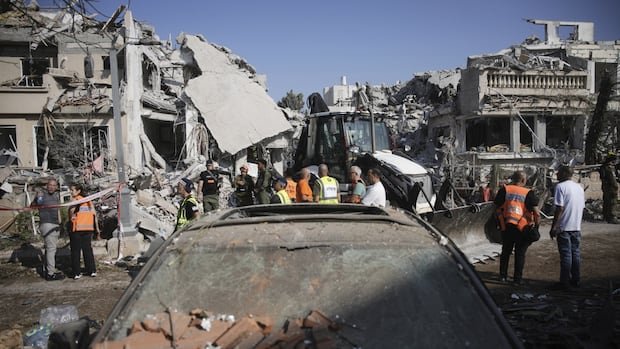
Heightened tensions in the Middle East are also expected to shape discussions.Recent Israeli airstrikes targeting Iranian nuclear and military infrastructure have intensified regional instability, prompting urgent informal talks among attendees.
Expanded Participation Reflects broader Global Stakes
This year’s gathering extends beyond customary G7 members by inviting influential nations such as India, Brazil, South Africa, United Arab Emirates, South Korea, Ukraine, Mexico, and Australia. Key figures like the UN Secretary-General alongside heads of NATO and the World Bank will join parts of the summit. This broader inclusion highlights Canada’s ambition to tackle worldwide challenges that transcend conventional G7 boundaries.
Political commentators observe that unlike previous summits-such as Canada’s 2018 meeting which focused primarily on vulnerable island states facing climate threats-Carney has prioritized engaging major emerging powers capable of shaping global geopolitical outcomes.
The Ukraine Conflict: Central Focus Amid Ongoing Hostilities
A significant segment of dialog will revolve around Ukraine’s enduring conflict.Prime Minister Carney extended a personal invitation to President Volodymyr Zelenskyy to discuss potential avenues toward peace amid Russia’s persistent aggression. Despite occasional frustrations voiced by U.S. leadership over prolonged negotiations, military aid continues alongside sanctions aimed at pressuring russia economically.
Navigating Trade Relations Between U.S. and Canada
The trajectory of trade discussions largely depends on President Trump’s stance during this summit. Experts caution that his unpredictable approach could either advance or hinder progress-particularly concerning tariffs imposed by Washington on Canadian exports.
While immediate tariff removals seem unlikely after just days of talks in kananaskis,any indication from Trump signaling openness toward collaboration would be welcomed by Canadian officials and also European partners monitoring North American trade dynamics closely.
A Shift Away From Traditional Joint Communiques
Diverging from past practice where leaders endorsed comprehensive joint communiques outlining collective priorities-and often contentious compromises-this year emphasizes concise statements focused strictly on actionable results within key sectors.
This strategy appears designed to avoid pitfalls experienced during Canada’s 2018 Charlevoix summit when disagreements over climate policies led President Trump to publicly criticize then-Prime Minister Justin Trudeau despite initial agreements being signed at that time.
simplified Agenda Aiming for Practical Consensus
The current approach favors attainable objectives likely acceptable across diverse political perspectives within the group rather than an exhaustive list of commitments previously seen under Trudeau’s leadership covering 28 areas. Expected focal points include increased defense spending (a long-standing demand from Washington), frameworks regulating AI risks-including those related to fentanyl trafficking-and measures promoting economic stability without fracturing unity among participants.
“true global leadership requires engaging influential emerging powers like india or Brazil meaningfully,” remarked an expert analyst reflecting on this expanded dialogue approach.”
The Diplomatic Challenge: Balancing Complexity With Cooperation
Tackling volatile geopolitical dynamics-from Middle Eastern hostilities triggered by Israeli-iranian clashes to unpredictable U.S.-Canada trade relations-will test Prime Minister Carney’s diplomatic skills more than ever before. His role transcends simple facilitation; it demands nuanced negotiation abilities capable of harmonizing divergent interests under shared goals amid unprecedented complexity worldwide.

- Date & Location: Three-day summit commencing Sunday in Kananaskis region near Calgary;
- Main Topics: Diplomacy surrounding war & peace; energy security focusing on critical minerals; AI governance frameworks; coordinated wildfire response;
- Diverse Attendance: traditional G7 plus invited emerging economies including India & Brazil;
- No joint Communique: Emphasis placed on brief targeted statements replacing lengthy consensus documents;
- Crisis Context: Elevated Middle East tensions following israel-Iran strikes influencing agenda dynamics;
An Evolution Toward pragmatic International Collaboration?
This assembly represents more than routine diplomacy-it marks a shift toward practical cooperation amidst multifaceted crises ranging from environmental disasters through technological innovation challenges while managing fragile alliances shaped by shifting political landscapes globally.The outcomes may well determine how democratic nations collectively respond when confronted together with external war threats alongside internal demands for sustainable development strategies.*