Rethinking car Door Handles: Safety Innovations,Design Challenges,and Emerging Global Regulations
Unveiling the Complexity of Modern Car Door Handles
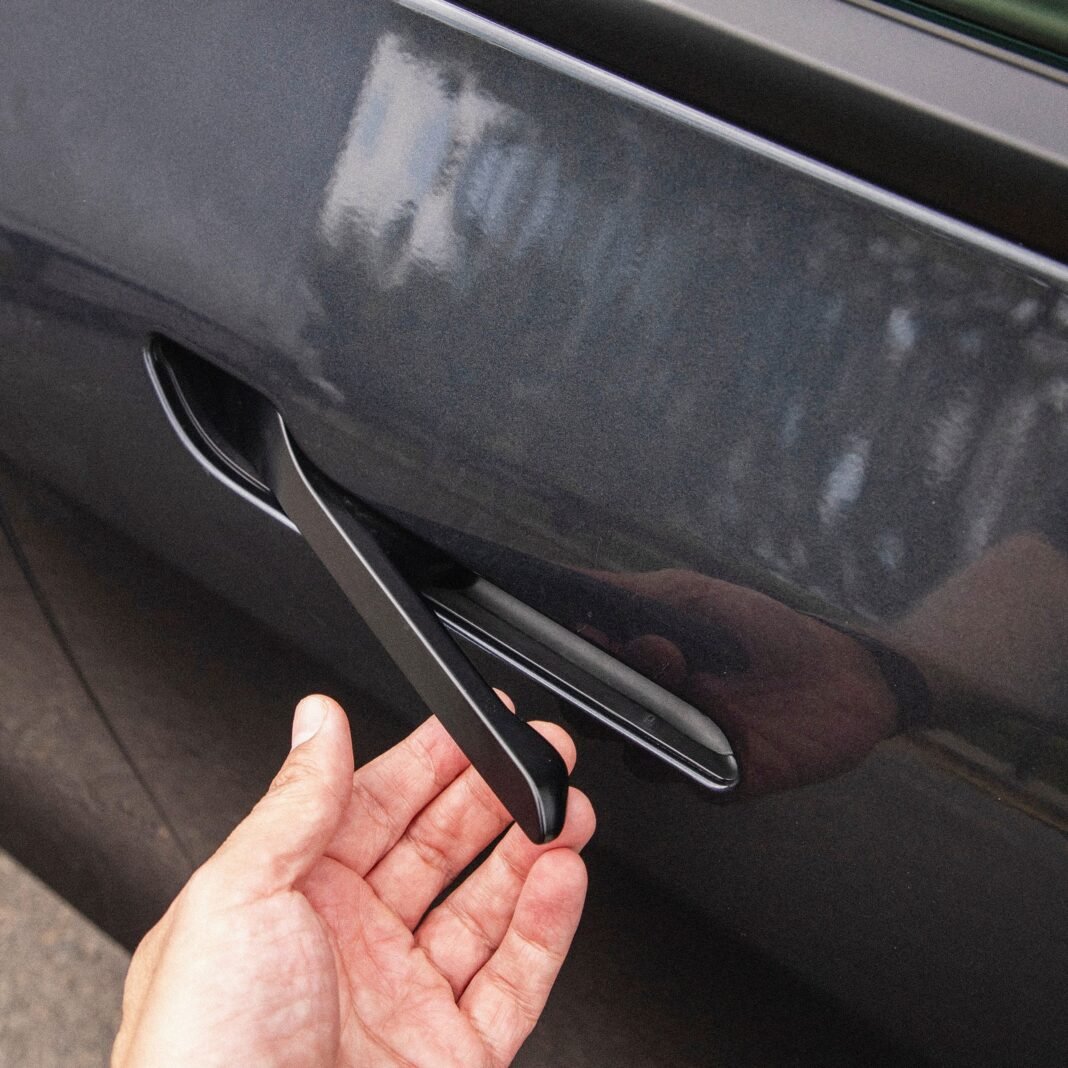
Car door handles may appear straightforward at first glance,yet recent advancements reveal a far more intricate reality. Tesla’s electronic retractable door handles exemplify this shift,blending sleek aesthetics with aerodynamic benefits to elevate electric vehicle design. However, these futuristic features have also introduced unexpected operational difficulties.
In 2025, the National Highway Traffic Safety Administration (NHTSA) launched an investigation into Tesla’s 2021 Model Y door handle performance after receiving over 140 complaints from users reporting unresponsive or jammed handles-especially when the vehicle’s low-voltage battery malfunctioned.
Safety Risks Prompt Legal and Regulatory Responses
A particularly alarming concern arose from reports of children trapped inside Tesla vehicles due to inability to locate or operate rear-door mechanical releases once adults exited. At least four incidents required occupants to break windows for escape. In response, Tesla pledged to redesign its door handles by adding manual release options alongside electronic systems.
The situation intensified when families of two California teenagers who died in a Cybertruck fire filed lawsuits against Tesla. They claim the company was aware of manual opening issues before the tragedy but failed to implement adequate fixes.
China’s New Automotive Safety mandates Set a Global Benchmark
The world’s largest car market is now enforcing strict new regulations addressing these concerns directly. China’s ministry of Industry and Information Technology has proposed that all vehicles sold domestically by mid-2027 must include mechanical release handles accessible from both inside and outside without tools following accidents.
this rule effectively prohibits flush-style door handles unless they allow sufficient hand clearance behind them-posing a direct challenge to popular designs like those pioneered by Tesla. Considering China produces about one-third of global cars expected by 2030, these standards are likely to reshape industry practices worldwide.
The Engineering Hurdle: Integrating Mechanical Releases in Compact Designs
Amy Broglin-Peterson from Michigan State University explains that fitting mechanical release mechanisms into modern car doors is complex due to limited space crowded with wiring harnesses, insulation materials, speakers, and safety components. Any redesign risks interfering with existing systems or causing production delays carefully planned over years.
Global Manufacturing Implications Amid Tight Timelines
The sudden requirement for design changes late in development cycles can disrupt manufacturing workflows internationally-as automakers race against deadlines while adapting safety features under evolving regulations. Even Chinese manufacturers known for rapid innovation face challenges balancing speed with cost control and quality assurance.
toward Safer Yet Aerodynamically Efficient Door Handle Designs
Flush electronic door handles gained traction as symbols of premium EVs focused on aerodynamic efficiency; studies estimate such designs can improve driving range by approximately one mile per charge-a modest but meaningful advantage at scale.
This trend extends beyond Tesla: brands like Volkswagen, General Motors, Ford, Mercedes-Benz-and newer entrants such as Rivian-have adopted similar handle styles on upscale models while striving to meet global safety mandates without compromising user convenience.
User Experience During Emergencies: The Critical Factor
Testing conducted by Consumer Reports reveals that even though emergency mechanical releases exist across many models as mandated, their frequently enough hidden locations-such as beneath floor mats or inside concealed compartments-make them difficult for passengers unfamiliar with their placement during crises.The most effective solutions feature intuitive mechanisms requiring only slightly increased force compared to normal operation so users instinctively know how to act under stress.
Tesla’s Dual-Mechanism Approach Enhances Emergency accessibility
Tesla lead designer Franz von Holzhausen publicly acknowledged this challenge: integrating manual overrides within existing electronic handle assemblies improves muscle memory during emergencies without sacrificing futuristic styling.This combined system aims at making emergency exits more instinctive while preserving daily usability advantages offered by electronically controlled mechanisms.
Diverse Industry Strategies Reflect Evolving Standards
- Tesla: Actively redesigning doors with internal mechanical releases alongside current electronic controls following regulatory pressure;
- Rivian: Planning relocation of rear seat manual releases from hidden panels toward more visible positions;
- Mercedes-Benz: Employing automatic unlocking exterior flush handles upon crash detection; closely monitoring new rules;
- General Motors: Engaged in technical discussions regarding compliance impacts but withholding detailed comments pending final regulation publication;
- Volkswagen & Ford: VW favors traditional tactile buttons citing customer preference despite aesthetic trends toward flush designs; Ford has not issued recent statements;
A Growing Movement Toward Unified Global Safety Norms?
“China is increasingly shaping early automotive safety frameworks – quietly yet decisively influencing global standards,” industry experts note.
– This mirrors China’s prior leadership roles in electric vehicle battery recycling policies and autonomous driving technology guidelines.
navigating Future Paths: harmonizing Innovation with Essential Safety Requirements
The evolution surrounding car door handle technology highlights broader tensions between avant-garde design ambitions and fundamental user safety imperatives-a delicate balance every automaker must navigate amid shifting international regulatory landscapes worldwide.