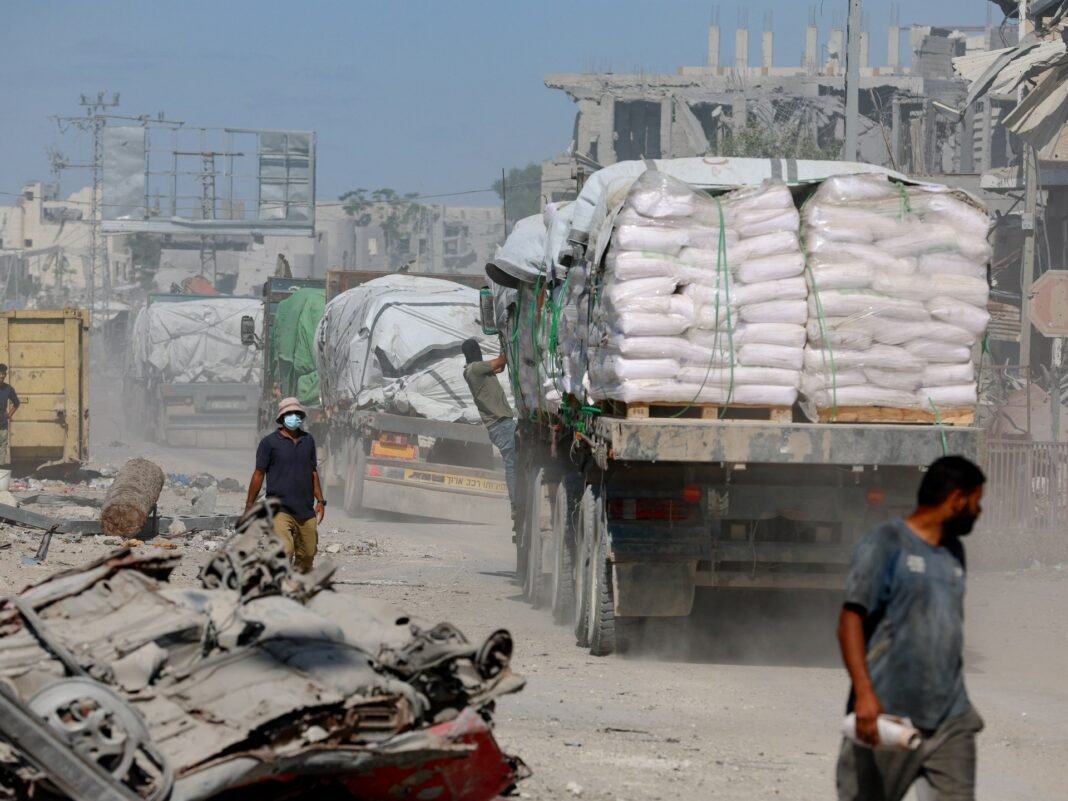
Heightened Strains and Aid Constraints in Gaza Amid Unstable Ceasefire
In recent developments, Israel has intensified its restrictions on humanitarian aid entering the Gaza Strip, considerably curtailing the volume of supplies permitted and opting not to open the Rafah crossing with Egypt as initially anticipated. These measures coincide with a resurgence of violence, were Israeli forces have killed several Palestinians despite an already fragile ceasefire agreement.
Drastic Reductions in Humanitarian Deliveries
The Israeli military notified the United Nations that starting Wednesday, only 300 aid trucks will be allowed daily into Gaza-half of what was previously agreed upon. This sharp reduction severely undermines relief operations in a region grappling with acute shortages of food, medicine, and fuel.
A representative from the UN Office for the Coordination of Humanitarian Affairs (OCHA) confirmed receiving this directive from COGAT, Israel’s military unit responsible for overseeing aid flow into Palestinian territories. The order also limits fuel and gas deliveries strictly to essential humanitarian infrastructure needs.
Humanitarian experts warn that permitting just 300 trucks per day is grossly inadequate to meet gaza’s urgent demands. A correspondent reporting from Gaza City described this allowance as “far below what is necessary” to combat widespread hunger and medical emergencies affecting millions.
Rafah Border Closure Deepens Gaza’s Isolation
Alongside restricting truck entries, Israeli authorities declared that the Rafah border crossing between Gaza and Egypt will remain closed indefinitely. This decision further isolates Gazans from external assistance while complicating evacuation efforts or medical transfers for those in critical condition.
Violence Resurges Despite Ceasefire Efforts
mere hours after these new restrictions were announced,Israeli forces launched operations resulting in at least nine Palestinian deaths across northern and southern areas of Gaza. Medical sources reported six fatalities within Gaza City alone and three more in Khan Younis. Witnesses at al-Ahli Arab Hospital noted five casualties occurred during clashes in Shujayea neighborhood amid these incidents.
The Israeli military justified its actions by stating they responded to threats posed by individuals approaching their positions in northern Gaza.These confrontations took place just days after a ceasefire was implemented between Israel and Hamas-a truce intended as a stepping stone toward prisoner exchanges and partial troop withdrawals.
The Broader Conflict: Devastation on Both Sides
This ceasefire marks an initial phase within a larger peace initiative aimed at ending hostilities that have ravaged both communities as October 2023. According to Palestinian health officials, over 68,000 people have died while more than 170,000 sustained injuries within Gaza alone since last year’s escalation; thousands remain trapped beneath rubble due to extensive destruction caused by ongoing bombardments.
On Israel’s side, at least 1,139 civilians lost their lives during Hamas’ surprise attack on October 7th alongside over 200 individuals taken hostage-figures underscoring profound human suffering fueling persistent tensions and complicating diplomatic progress.
Status Update on Prisoner Exchanges: Gains Amid Challenges
A key component of ceasefire arrangements involved a prisoner swap freeing nearly 2,000 Palestinians detained inside israeli prisons along with twenty israelis held captive within Gaza territory. Additionally, one hundred fifty-four Palestinians were exiled to Egypt under this deal; however Hamas failed to return all expected remains-delivering only four coffins instead of twenty-eight as anticipated.
The peace framework calls for Hamas to provide timely information regarding deceased captives’ whereabouts while expediting their repatriation process. After delays surfaced concerning body returns,Hamas committed recently to transferring four additional remains which were received by the International Committee of the Red Cross before being transported back into Israel for forensic examination.
The Israeli military accused Hamas of violating ceasefire terms related specifically to returning hostage remains-a claim amplified publicly when former US President Donald Trump declared “Phase Two begins right NOW!!!” citing unfulfilled promises about dead captives’ handover procedures.
Hamas explained difficulties stemmed from unknown detention locations combined with widespread destruction caused by airstrikes across much of Gazan territory impeding recovery efforts for all bodies involved.
Tenuous Link Between Aid access and Prisoner Negotiations
“The central issue currently revolves around Israel threatening further cuts on humanitarian aid due largely to perceived delays by Hamas concerning deceased hostages’ return,” reported a UN correspondent covering international developments closely related to ongoing negotiations.”
Global Appeals Demand Expanded Humanitarian Access
The United Nations alongside organizations such as the International Red cross have called urgently for all border crossings into Gaza be opened immediately so vital supplies can reach those most affected without delay. Presently nearly 190 thousand metric tonnes of emergency aid are stockpiled awaiting entry according to OCHA officials monitoring supply chains closely.
UNICEF reports having over thirteen hundred trucks ready but stresses that at least six hundred trucks per day are required merely as a baseline effort toward addressing widespread devastation impacting millions-including children suffering malnutrition compounded by disease outbreaks worsened through limited access clean water plus essential healthcare services.
The World Health Institution emphasizes an urgent need for increased medical shipments given hospitals remain overwhelmed treating casualties while healthcare workers struggle without adequate resources or equipment amid ongoing conflict conditions.