Airports decline to Air Politically Charged DHS Video Amid Federal Shutdown dispute
Major U.S. airports such as those in Atlanta, Chicago, New York, Newark, Philadelphia, adn Salt Lake City have opted not to display a contentious video produced by Homeland Security Secretary Kristi Noem. The video places blame for the ongoing government shutdown squarely on Democratic lawmakers. Despite these refusals from key transportation hubs, legal analysts confirm that the content does not violate the Hatch Act-a federal statute restricting partisan political activities by government employees.
Airport Restrictions on political Content
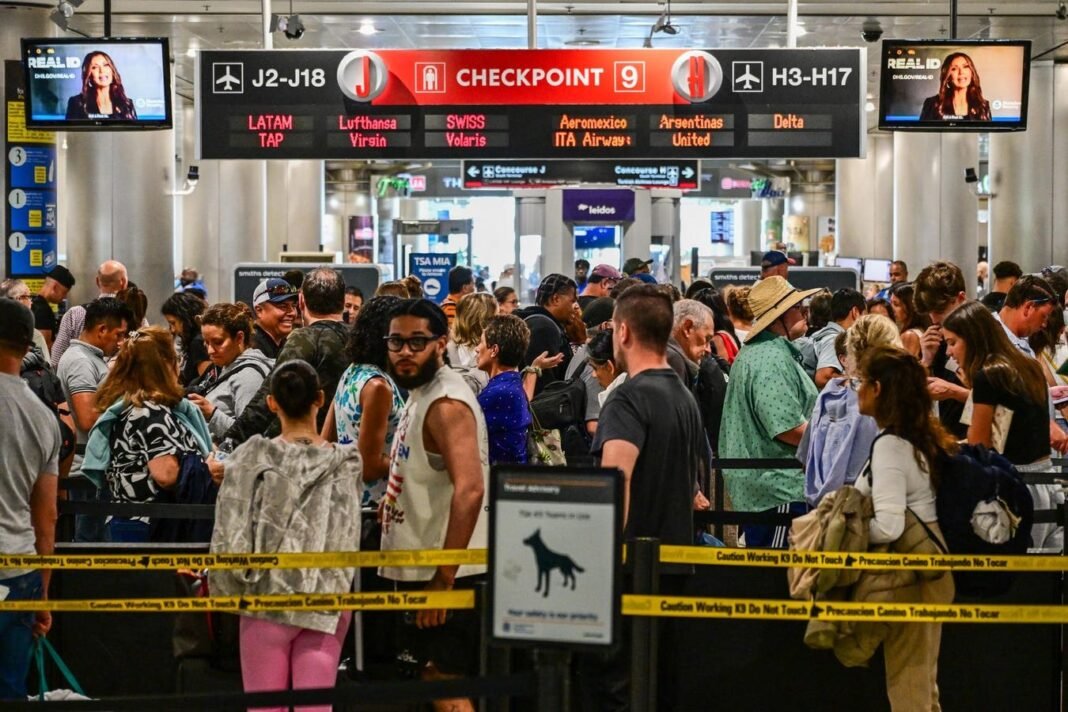
Hartsfield-Jackson Atlanta International Airport, which handled over 75 million passengers in 2023 making it the busiest airport nationwide, announced it will not feature Noem’s video on any airport-owned media channels. Officials stressed their dedication to maintaining an unbiased and inclusive surroundings for all travelers.
The trio of major airports serving New York City-John F. Kennedy International, LaGuardia, and Newark Liberty International Airport-also enforce strict policies prohibiting politically motivated material from appearing on public displays. This approach is mirrored by Philadelphia International Airport, which enforces a clear ban against political messaging within it’s facilities.
Chicago O’Hare and Midway Airports, overseen by the Chicago Department of Aviation (CDA), declined requests from DHS citing advertising rules that forbid endorsements or oppositions related to any political party in promotional or public service announcements.
A comparable policy exists at Salt Lake City International Airport were Utah state law prohibits using city-owned resources for political purposes.
Diverse Regional Policies Reflect Legal Boundaries and institutional Standards
- colorado Springs Airport: Refused airing due to regulations against displaying potentially partisan content.
- Charlotte Douglas International Airport:: Local statutes combined with airport guidelines prevent showing such videos on digital signage.
- Tucson International Airport:: lacks TSA-area screens; even if available would prohibit politically oriented messages per advertising standards.
- Denver International Airport:: Does not have screens capable of broadcasting such videos; similarly Spokane and Phoenix Sky Harbor airports confirmed they would not participate in airing it either.
- Seattle-Tacoma (Sea-Tac) Airport:: Expressed concerns about politicizing content while advocating bipartisan efforts toward resolving shutdowns promptly.
- Portland International Airport:: Cited Oregon laws restricting partisan speech by public employees alongside internal policies forbidding use of public service ads for political messaging purposes.
- The Buffalo niagara & Niagara Falls Airports (operated by NFTA): Avoid broadcasting messages considered partisan under longstanding advertising policies governing transportation facilities across Western New york State.
Noem’s Video: Content Overview and Legal Considerations Under The Hatch Act
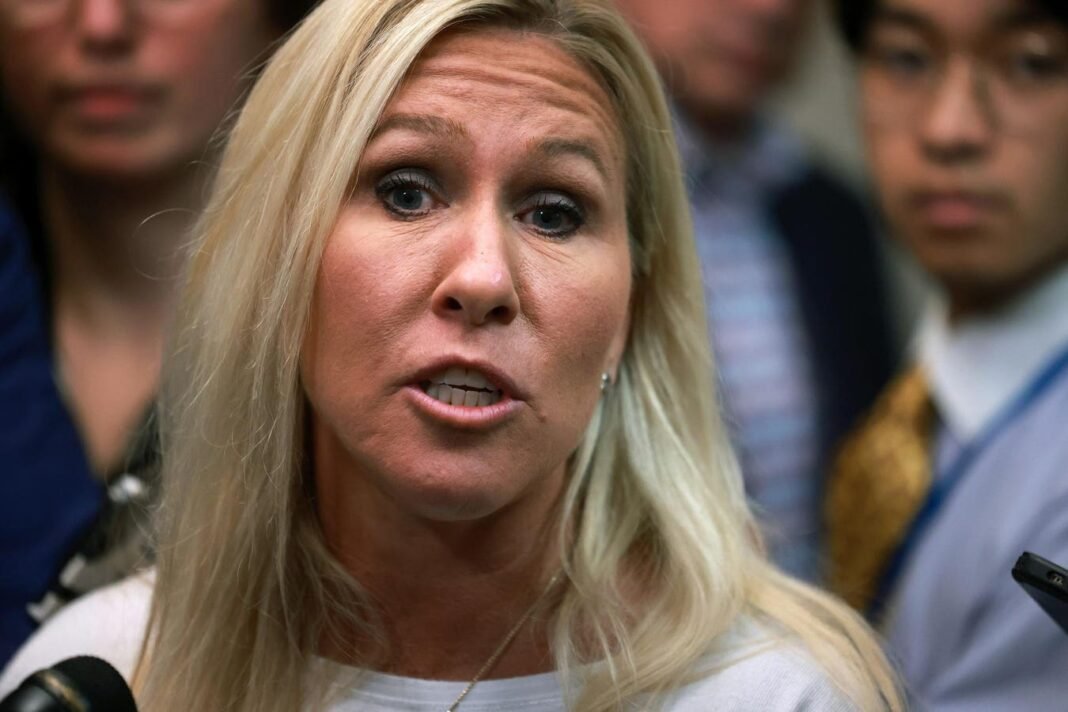
The controversial clip features Secretary Noem accusing “Democrats in congress” of refusing to fund federal operations, resulting in many Transportation Security Governance (TSA) personnel working without pay during the shutdown period.The Hatch Act restricts federal employees-excluding certain senior officials-from engaging overtly in partisan activities while performing official duties. Its intent is to ensure impartial administration of federal programs while shielding staff from workplace coercion based on politics and promoting merit-based advancement within agencies.
“The Hatch Act seeks neutrality within federal operations but does not categorically ban all forms of politically charged speech outside election periods,” noted ethics experts reviewing this case.
– Senior ethics counsel commentary
Cynthia Brown from Citizens for Responsibility and Ethics emphasized that although this message likely skirts direct violation since it isn’t explicitly tied to electoral campaigns, using government assets for partisan interaction remains ethically problematic.
This scenario recalls findings from a 2021 Office of Special Counsel report documenting multiple senior Trump administration officials repeatedly breaching Hatch Act provisions through partisanship-including figures like Mark Meadows, Jared Kushner, Mike pompeo-with Kellyanne Conway cited numerous times leading up to recommendations for dismissal due to persistent violations during her tenure as counselor to President Trump.
The Challenges Of Enforcing The Hatch Act At High Government Levels
If violations are confirmed under typical circumstances,suspensions or removals could follow;Cynthia Brown notes enforcement weakens considerably when dealing with cabinet-level appointees who answer solely to presidential authority.
A critical insight emerging from recent investigations highlights how compliance depends heavily on White House cooperation-the absence thereof enabling some officials “to disregard restrictions almost without consequence.” This dynamic complicates accountability surrounding politically motivated communications issued via official channels during sensitive periods like government shutdowns affecting millions nationwide-including roughly 800 thousand furloughed workers reported mid-2024 across departments most severely impacted so far this year.*
Evolving Messaging Strategies During Government Shutdowns And workforce Reactions At Airports
This latest series of DHS-produced videos marks a shift away from conventional informational campaigns typically seen at airports-such as educational clips about REAL ID requirements focused purely on compliance rather than politics.
TSA representatives have publicly expressed frustration over how “political maneuvering” has placed frontline security officers into precarious financial situations amid extended unpaid labor caused by congressional deadlocks over budget approvals.
An internal memo circulated recently blamed Senate Democrats specifically for prolonging shutdown conditions-a move reportedly sparking discontent among TSA officers who described feeling demoralized after encountering language perceived as divisive rather than supportive during challenging times at checkpoints nationwide.*
Navigating Political Expression Within Federal Facilities Today: Broader Implications
- This controversy underscores ongoing tensions between free expression rights versus preserving neutral environments essential inside federally operated venues frequented daily by millions representing diverse backgrounds.*
- The incident highlights increasing scrutiny regarding governmental messaging strategies amid polarized national climates where trust erosion threatens institutional credibility.*
- Laws like Oregon’s prohibition against employee-partisan speech reflect efforts balancing openness with professionalism expected inside taxpayer-funded spaces primarily used for transit rather than advocacy.*
- The widespread refusal across multiple states’ airports signals broad consensus favoring depoliticization despite pressure exerted through executive branch communications pushing narratives aligned closely along party lines.*