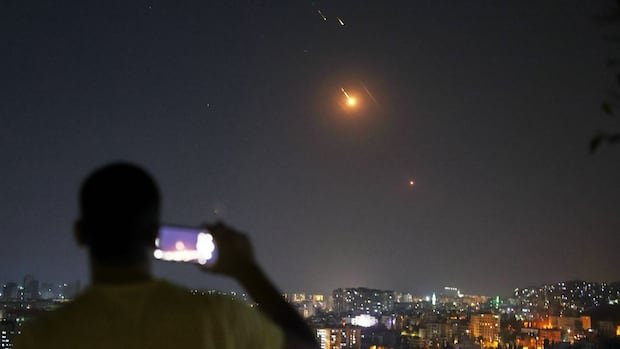
Rising Tensions: israeli Airstrikes and Iran’s Retaliation Reshape Middle Eastern Dynamics
Tehran Shaken by Early Morning Blasts Amid Heightened conflict
At approximately 5 a.m.local time on Wednesday, Tehran was rocked by a significant explosion, marking another dramatic escalation in the ongoing hostilities between Israel and Iran. This powerful detonation followed several earlier blasts that disrupted the pre-dawn silence, causing widespread panic among residents.
The city has seen large-scale evacuations as uncertainty deepens during the sixth consecutive day of Israeli air raids targeting Iranian military installations and nuclear facilities.
Israel’s Tactical Goals Behind Recent Airstrikes
The Israeli government has openly declared that it’s offensive is designed to dismantle Iran’s nuclear program to ensure Israel’s long-term security. Beyond neutralizing nuclear sites, some officials have suggested ambitions aimed at destabilizing or even changing the Iranian regime.
This operation has involved highly targeted strikes on critical infrastructure such as uranium enrichment plants and underground centrifuge complexes essential to Iran’s atomic development. The International Atomic Energy Agency recently confirmed damage not only to surface-level facilities but also ample harm inflicted on subterranean centrifuge operations at Natanz.
Casualties Mount Amid Intensifying Hostilities
- Iranian sources report over 230 deaths linked to airstrikes focused on military personnel and strategic infrastructure.
- In retaliation, Iran has launched nearly 450 missiles along with hundreds of drones into Israeli territory, resulting in at least 28 fatalities within Israel so far.
A Shift in Strategy: Targeting Senior Iranian Military Commanders
The conflict escalated further when reports emerged of Israel assassinating General Ali Shadmani, who had recently taken command of the Khatam al-Anbiya Central Headquarters-a key division within Iran’s Revolutionary Guard Corps paramilitary forces.Shadmani succeeded General Gholam Ali Rashid after an earlier strike eliminated him as well.
This targeted elimination reflects a deliberate effort by Israel to disrupt high-level Iranian military leadership amid intensifying clashes centered around Tehran itself.
A Glimpse from Damascus: Missile Launches Over Syrian Territory
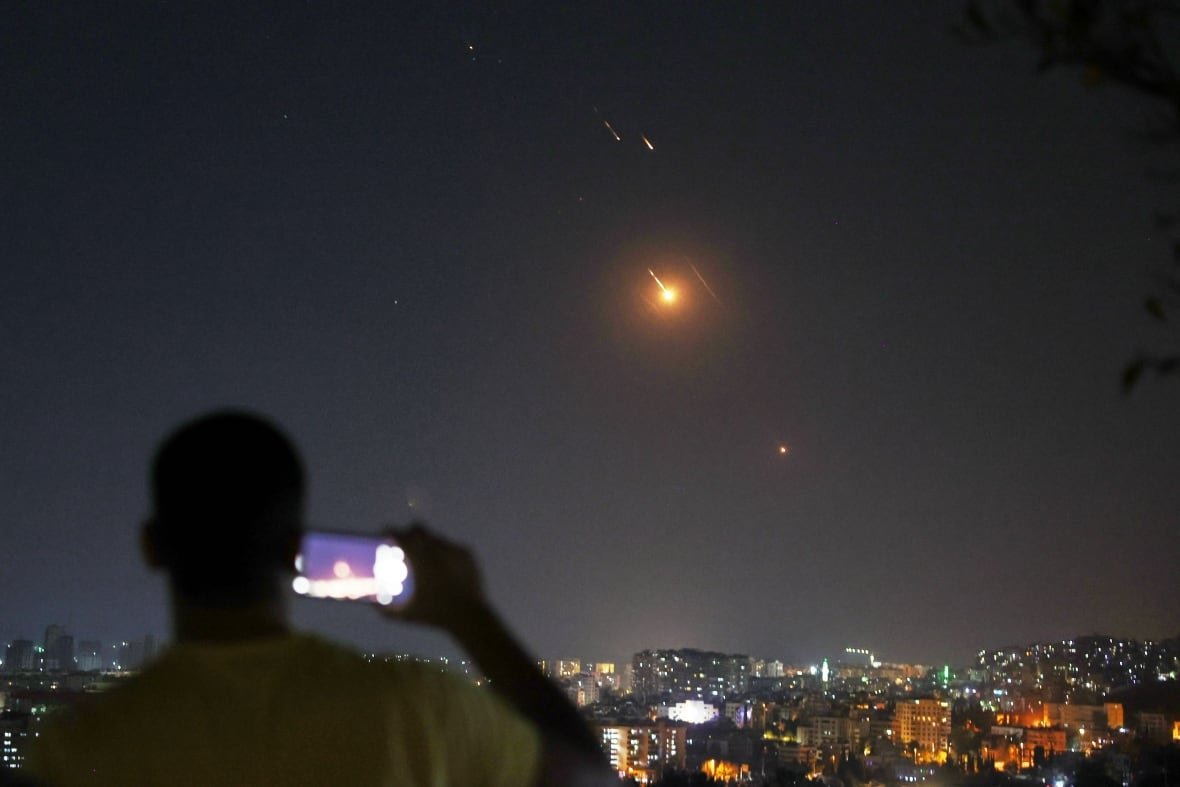
Warnings Highlight Expanding Target Zones Near Tehran Airport Vicinity
The Israeli Defense Forces have issued alerts about potential strikes extending into residential neighborhoods south of Mehrabad International Airport-an area comprising homes alongside military bases, pharmaceutical plants, and industrial complexes-indicating an expansion beyond strictly military objectives.
Diplomatic stance: U.S. Demands Total Iranian Surrender Without Preconditions
The United States maintains an uncompromising position amid these developments. The President abruptly left an international summit to address escalating tensions directly. He dismissed calls for ceasefire talks unless they culminate in “a genuine conclusion” involving unconditional surrender by Tehran without any negotiated terms attached.
“We are not considering a ceasefire; we demand something far more definitive,” stated the President when questioned about diplomatic options during this crisis.
“Our patience is running out,” he added while leaving limited communication channels open through vice-President JD Vance and special envoy Steve Witkoff.
“Iran must capitulate unconditionally,” he asserted emphatically via social media but clarified there were no immediate plans targeting Supreme Leader Ayatollah Ali Khamenei despite knowing his location.
Broad Regional Consequences: A Fragile middle East With Global Repercussions
This surge represents one of the most intense flare-ups between these two nations as decades-long tensions reignited following recent diplomatic breakdowns-including withdrawal from landmark agreements like JCPOA (Joint Comprehensive Plan of Action).
The fallout extends beyond regional borders; global energy markets reacted sharply with Brent crude prices jumping nearly 8% after news broke about attacks near critical maritime routes such as the Strait of hormuz-a vital passage responsible for roughly one-fifth of worldwide oil shipments annually (2024 figures).
An Uncertain Future Amid Complex Warfare Dynamics in the Region
The unfolding crisis highlights how precarious peace remains across this volatile region where proxy conflicts intertwine with direct confrontations involving state actors equipped with advanced weaponry including long-range precision drones-the very technologies redefining modern warfare today more than ever before.