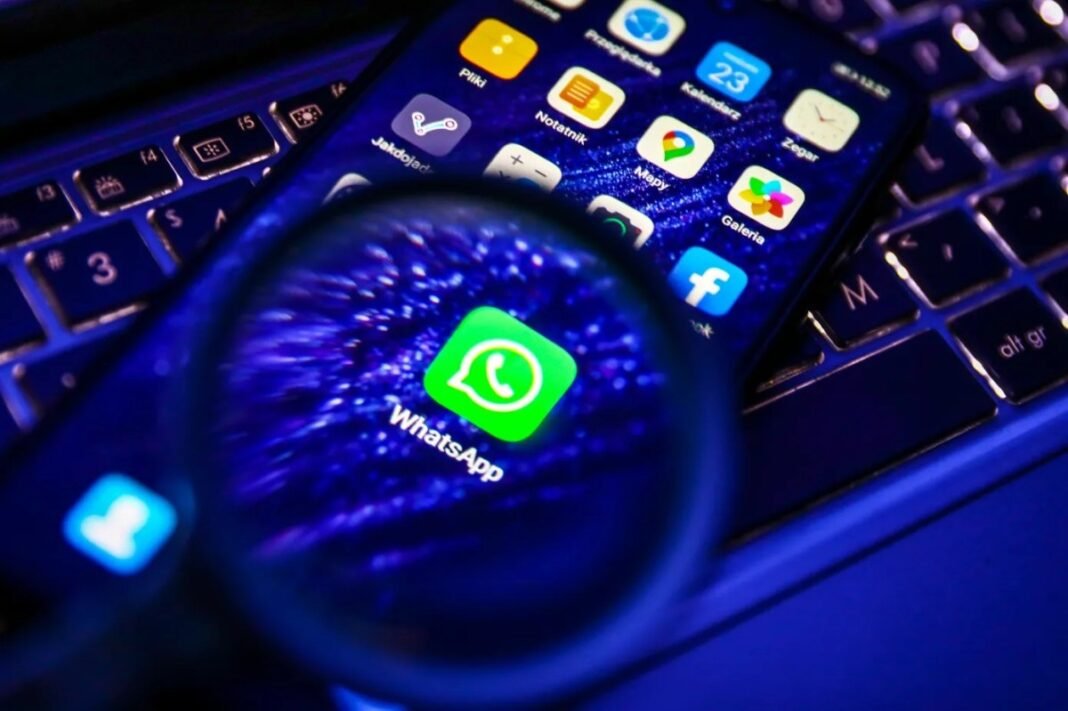
Federal Court Enforces Ban on NSO Group Targeting WhatsApp Users
A U.S. federal court has issued a permanent injunction barring the Israeli cyberintelligence company NSO Group from accessing or targeting users of whatsapp, the messaging platform owned by Meta. This ruling represents a notable legal triumph for WhatsApp amid ongoing concerns about spyware threats.
Origins of the Legal Conflict
The controversy began in 2019 when NSO group deployed its Pegasus spyware to infiltrate over 1,400 devices belonging to WhatsApp users worldwide, including journalists adn human rights activists. This large-scale breach prompted Meta to initiate legal proceedings against NSO, accusing it of facilitating mass surveillance through its software.
Financial Judgments and Jury Findings
Earlier this year, a jury found NSO responsible for orchestrating the extensive hacking campaign and awarded Meta damages exceeding $167 million. however, subsequent judicial rulings have significantly modified this financial penalty.
Judicial Review of Punitive Damages
U.S. district Judge Phyllis Hamilton determined that there was insufficient proof to label NSO’s actions as “especially egregious.” Consequently, she applied a punitive damages cap with a 9:1 ratio relative to compensatory damages, reducing the total fine from over $167 million down to roughly $4 million.
The Meaning of the Injunction
This court order explicitly forbids NSO Group from ever targeting WhatsApp or its global user base again. Will Cathcart, head of WhatsApp, highlighted that this decision is vital for safeguarding members of civil society who have long been vulnerable to digital espionage tactics.
“This ruling bans spyware maker NSO from ever targeting WhatsApp and our global users again,” stated Cathcart.
Evolving Landscape: Changes in Ownership at NSO group
In recent developments, investors based in the United States announced their acquisition of NSO Group. This change in ownership may lead to shifts in how the company operates amid increasing scrutiny surrounding its controversial spyware activities.
The Wider Cybersecurity Context Surrounding Messaging Platforms
This case underscores escalating concerns about security weaknesses within popular communication apps.Recent surveys reveal that more than 60% of messaging app users worldwide worry about privacy violations and unauthorized surveillance attempts.
- WhatsApp remains one of the most targeted platforms due to its massive user base exceeding 2 billion monthly active accounts.
- An increase in state-sponsored cyberattacks has intensified demands for enhanced defenses against spyware tools like Pegasus.
- This landmark ruling establishes an vital precedent for holding developers accountable under U.S. law regarding malicious surveillance software.
A Contemporary Example: The Surge in Digital Privacy Litigation
This lawsuit parallels other notable cases where tech companies have pushed back against invasive monitoring practices-as an example,Apple’s legal action against Cellebrite following unauthorized attempts at extracting data from iPhones used by activists during protests worldwide.
A Turning Point for Digital Privacy Protection
The permanent injunction imposed on NSO Group marks a pivotal moment in defending user privacy across digital platforms such as WhatsApp. Although punitive financial penalties were curtailed due to judicial limits on damage ratios, banning future targeting sends a strong message condemning cyberespionage efforts aimed at civil society globally.