Trump’s Position on the Ukraine Crisis Indicates Possible Realignment Toward Russia
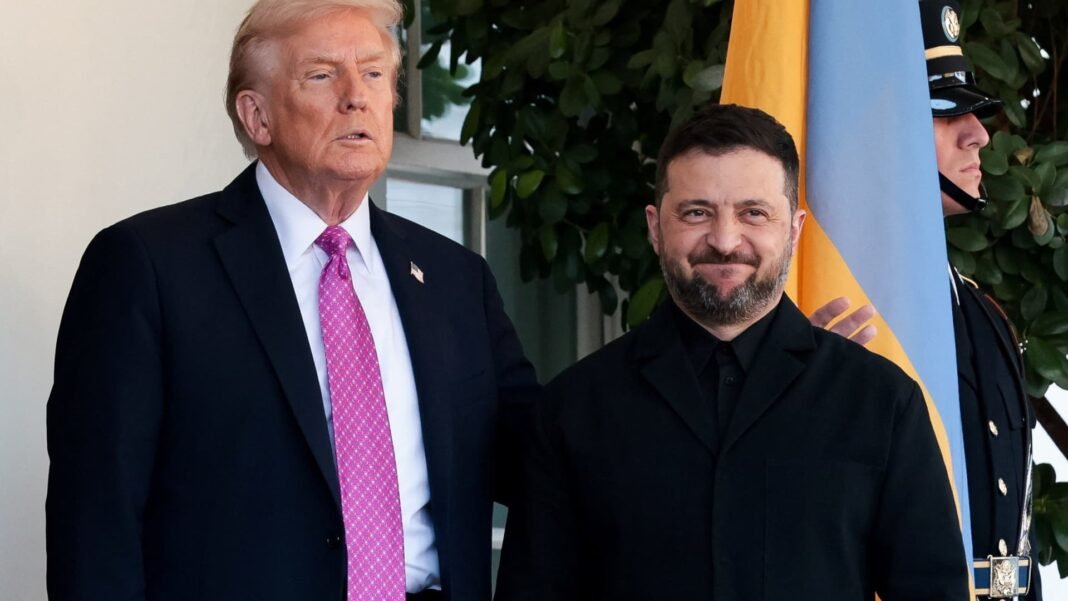
During a recent high-stakes meeting at the White House, U.S.President Donald Trump engaged with Ukrainian President Volodymyr Zelenskyy amid intensifying conflict in Ukraine. Central to their dialog was the controversial topic of providing Kyiv with long-range tomahawk cruise missiles-an action that could dramatically influence the war’s trajectory.
Unresolved Military Aid and Contentious Discussions Over Donbas
The summit concluded without Zelenskyy securing commitments for missile support, while Trump appeared to advocate for recognizing Russian control over much of eastern Ukraine’s Donbas region. He pointed out that roughly 78% of this area is already under Moscow’s authority and proposed freezing combat lines to avoid further loss of life.
Following their talks, Trump disclosed a phone conversation with Russian President Vladimir Putin, during which Putin warned of severe repercussions if Ukraine rejected Moscow’s terms. The two leaders also discussed potential direct negotiations in Hungary as part of ongoing diplomatic efforts.
Tense Moments Behind Closed Doors
Insiders report that discussions grew heated, featuring raised voices and strong language from Trump. Despite this intensity, he publicly described the encounter as “very engaging and cordial,” emphasizing his desire to end hostilities by encouraging both parties to claim victory and leave judgment to history.
Zelenskyy’s Determined Response Amid Disappointment
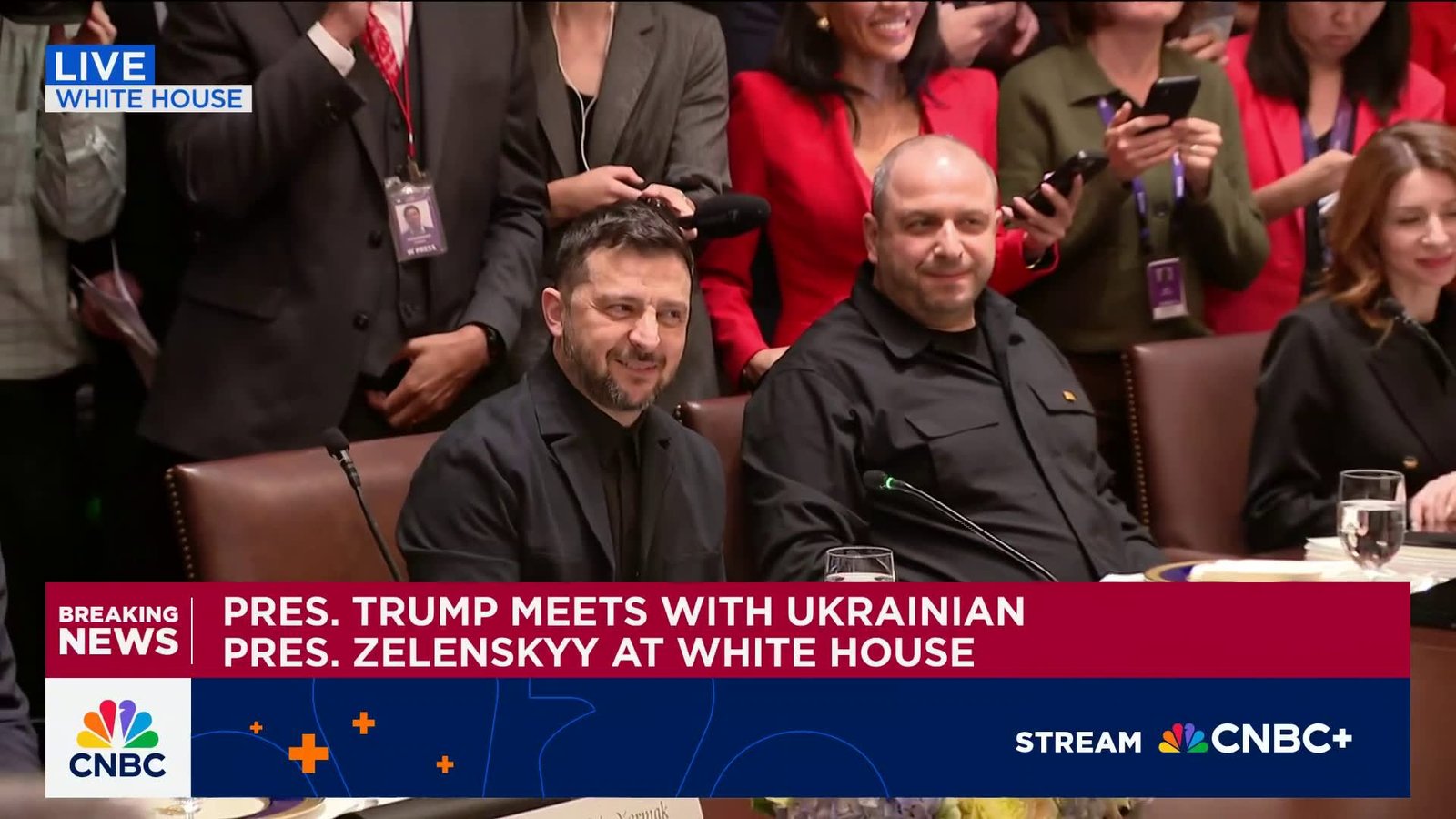
Although Zelenskyy left without new military aid assurances, he maintained a resolute stance in a subsequent interview: “We are not losing this war; Putin is not winning.” This declaration underscored his commitment despite setbacks during negotiations.
The Ukrainian leader acknowledged Trump’s reluctance but welcomed that outright refusal regarding Tomahawk missile deliveries was avoided-a weapon system he views as crucial for countering Russian advances on multiple fronts.
Zelenskyy also expressed openness to participating in upcoming trilateral discussions involving Putin and Trump planned for Budapest; however, his inclusion remains uncertain amid evolving diplomatic dynamics.
A Controversial Proposal: Dual Security Guarantees
Beyond withholding missile supplies temporarily, reports suggest Trump has proposed offering security guarantees concurrently to both Kyiv and Moscow-a concept sparking debate among experts who question its practicality given current geopolitical tensions and Russia’s aggressive posture sence early 2024.
The Strategic Calculus Behind Trump’s Approach
Analysts observing these interactions interpret Trump’s stance as transactional rather than ideologically aligned. His approach appears focused on maintaining leverage over both Russia and Ukraine without fully committing military or political support decisively toward either side at present.
“Trump is leveraging dual strategies,” explained an expert specializing in Eastern European affairs. “He seeks influence over Putin but hesitates to escalate aid or sanctions against Moscow significantly.”
Diverse Perspectives on Current U.S. Policy Effectiveness
- Nina Khrushcheva: Highlights Trump’s delicate balancing act aimed at fostering peace through calibrated pressure instead of overt favoritism toward either party involved in the conflict.
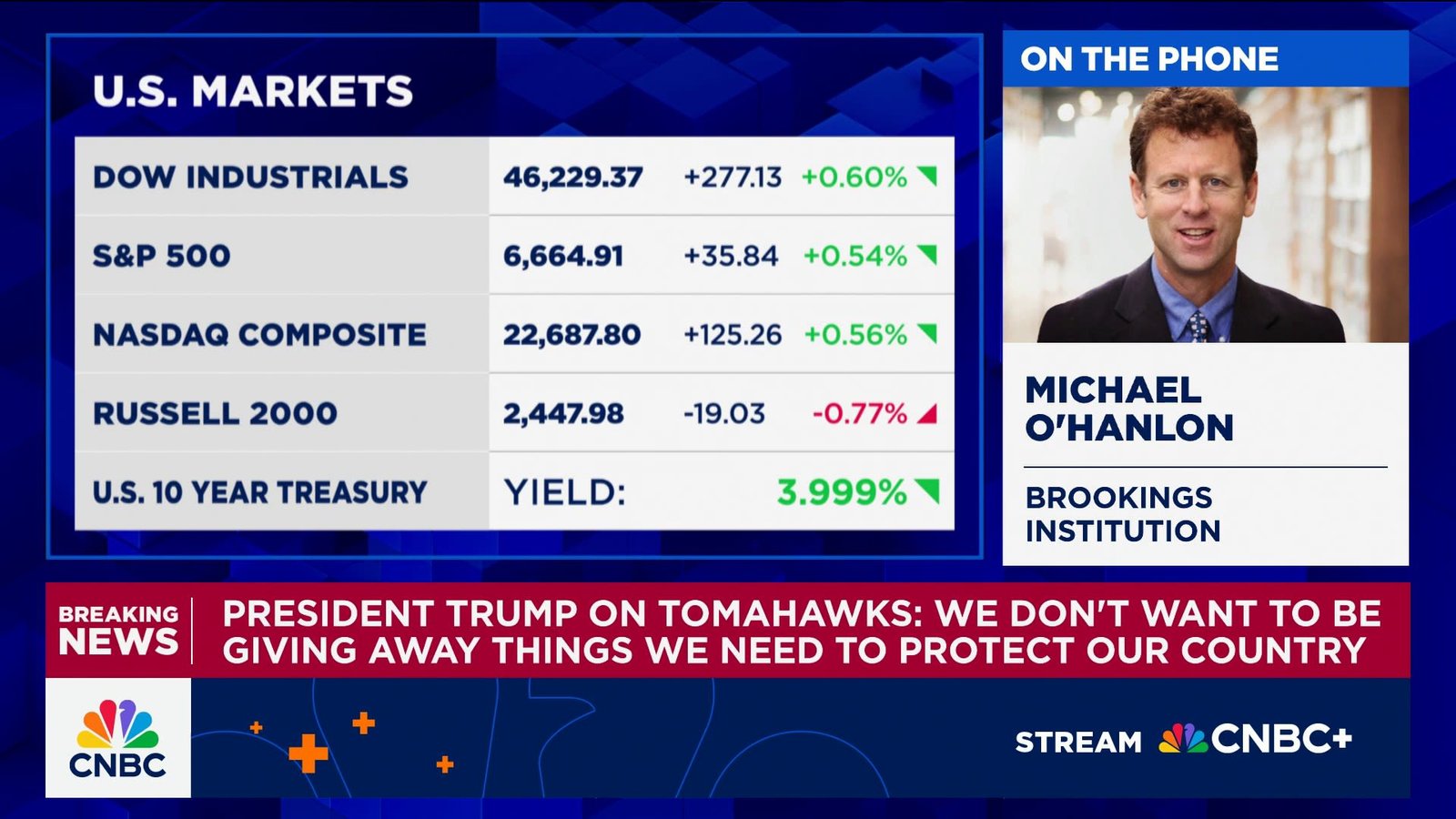
- Michael O’Hanlon: Advocates for stronger combined military deterrence paired with intensified economic sanctions targeting Russia; cautions reliance solely on personal diplomacy may falter against putin’s strategic patience demonstrated throughout 2024-2025 conflicts.
Tactical Measures To Amplify Pressure On Moscow
An expanded strategy lead by Washington could involve delivering tailored defense aid packages designed specifically for Ukrainian forces’ evolving needs while cracking down more aggressively on Russia’s covert oil tanker networks circumventing international price caps-activities sustaining Kremlin revenues despite sanctions imposed as early 2024.
this plan might also include diplomatic initiatives urging major trade partners such as India and China to curtail economic ties with Russia under threat of secondary sanctions-aimed at financially isolating Moscow while minimizing risks associated with broader escalation across global theaters by mid-2025 data trends show increased effectiveness when key economies reduce engagement under sanction pressures.
A Stepwise Framework For Future Negotiations And Conflict Management
- Cautious initial moves: Gradual arms deliveries combined with targeted enforcement of existing sanctions;
- Diplomatic engagement: Coordinated outreach involving global powers advocating unified responses;
- Economic isolation expansion: Broadening secondary sanction threats if cooperation deteriorates;
- Bilateral dialogue facilitation: Supporting platforms like proposed Budapest summit including all principal stakeholders;
- crisis preparedness: Developing contingency plans anticipating sudden escalations despite ongoing talks;
This comprehensive approach contrasts sharply with perceptions that trump’s current focus remains narrowly fixed on Tomahawk missiles plus personal diplomacy efforts-measures some experts warn may be insufficient alone given shifting battlefield realities where Russian forces have solidified significant territorial gains since early 2025 across eastern regions.