Debate Over “I love Muhammad” Displays in Uttar Pradesh’s Urban Centers
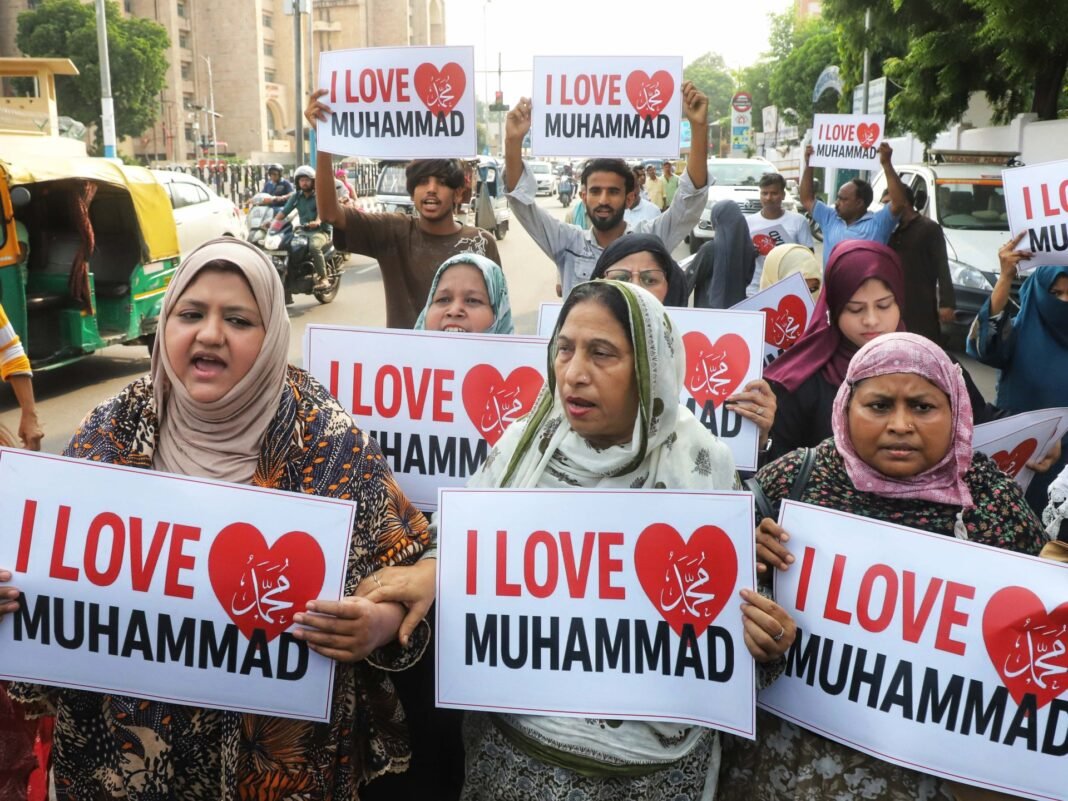
In Kanpur, a major industrial hub in northern India’s Uttar Pradesh, a luminous signboard bearing the phrase “I love Muhammad” ignited considerable controversy within a predominantly Muslim neighborhood. The display incorporated a red heart symbol substituting the word “love,” marking an unusual public expression by local residents during festivities commemorating Prophet Muhammad’s birth.
Religious Festivities Amid Growing Discord
Eid Milad-un-Nabi, celebrated widely across South Asia, traditionally involves communal prayers, Quranic recitations, and sermons emphasizing the prophet’s teachings. Processions featuring banners and slogans of devotion are common. Though, in Kanpur’s Syed Nagar area-largely inhabited by working-class families-the installation of this illuminated signboard triggered tensions.
The evening after its unveiling on September 4th saw objections from groups of Hindu men who contested its placement. Following hours of confrontation requiring police mediation,authorities removed the sign late at night.Later, nine Muslim men along with unidentified individuals from Syed Nagar faced legal action under statutes aimed at preventing religious provocation and maintaining communal harmony.
Disputes Over Shared Public Spaces and Religious Expression
Mohit Bajpayee representing Sri Ramnavmi Samiti-a Hindu organization-asserted that his opposition was not to the message itself but to its location within an area traditionally reserved for Hindu festival decorations such as those for Ram Navami. He stressed respect for constitutional equality among religions but argued that new practices should not infringe upon established cultural spaces.
the Muslim community countered these claims by stating they had secured official permission to display their decorations annually at this public venue during celebrations honoring Prophet Muhammad’s birthday. One resident involved expressed apprehension about potential government backlash yet reaffirmed their constitutional right to freely practice religion.
Tensions Extend Beyond Kanpur: Incidents in Bareilly
The dispute soon escalated approximately 270 kilometers away in Bareilly-a city recognized globally as a center for Barelvi Sunni Muslims-where authorities filed cases against nine Muslims accused of disturbing communal peace through what officials described as introducing “new traditions.” Allegations included tearing down Hindu banners during processions on September 5th; however, defense attorneys contended many accused were absent from those events.
Civil Protests and State Response
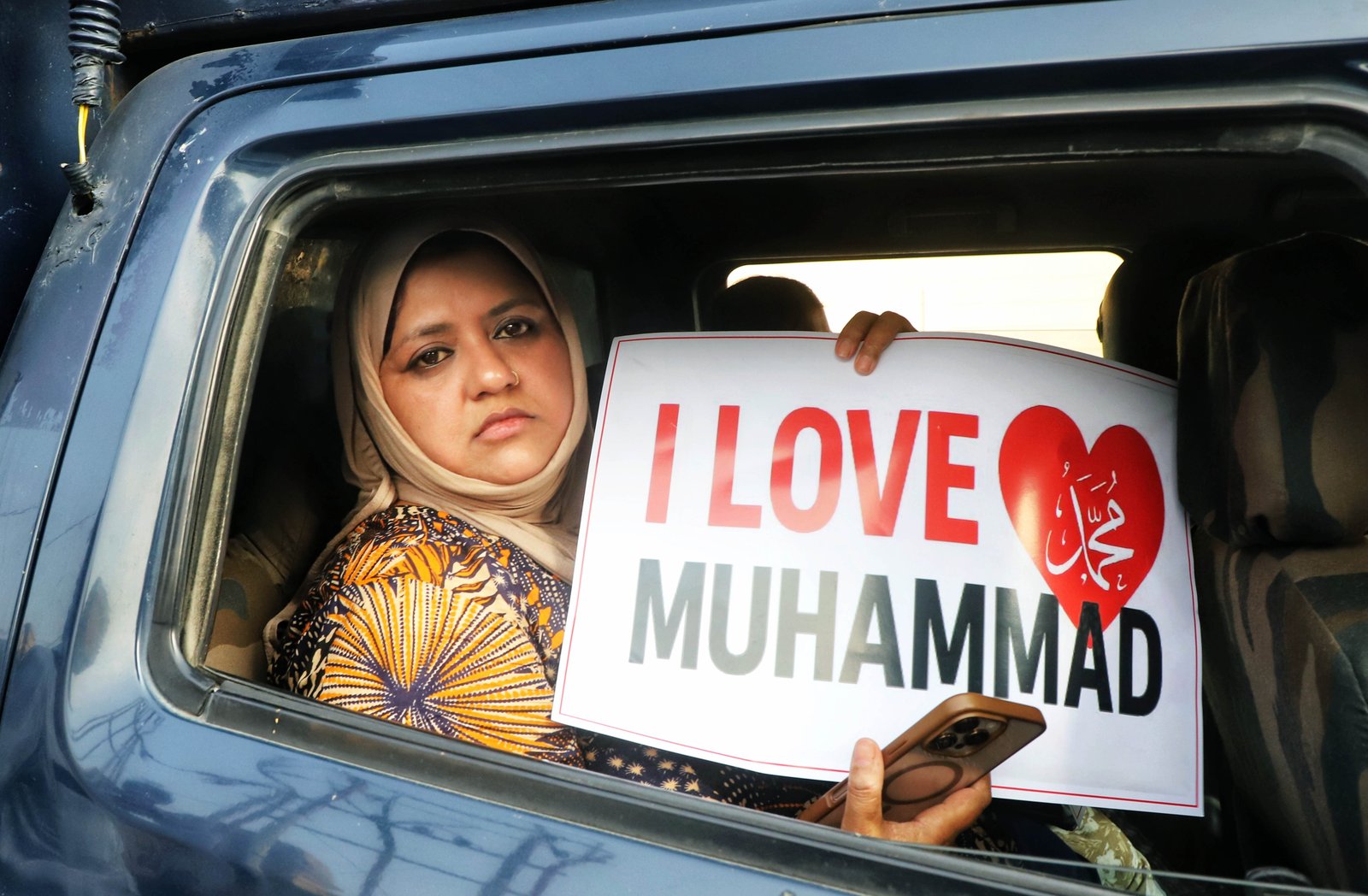
Maulana Tauqeer Raza Khan-the leader of Ittehad-e-Millat Council (IMC) and descendant of Barelvi founder Imam Ahmed Raza Khan-called for peaceful demonstrations opposing police actions targeting Muslims associated with these slogans nationwide. Despite district officials denying permission to hold rallies after Friday prayers on September 26th, thousands gathered near prominent shrines carrying placards emblazoned with “I love Muhammad”, condemning what they described as state repression.
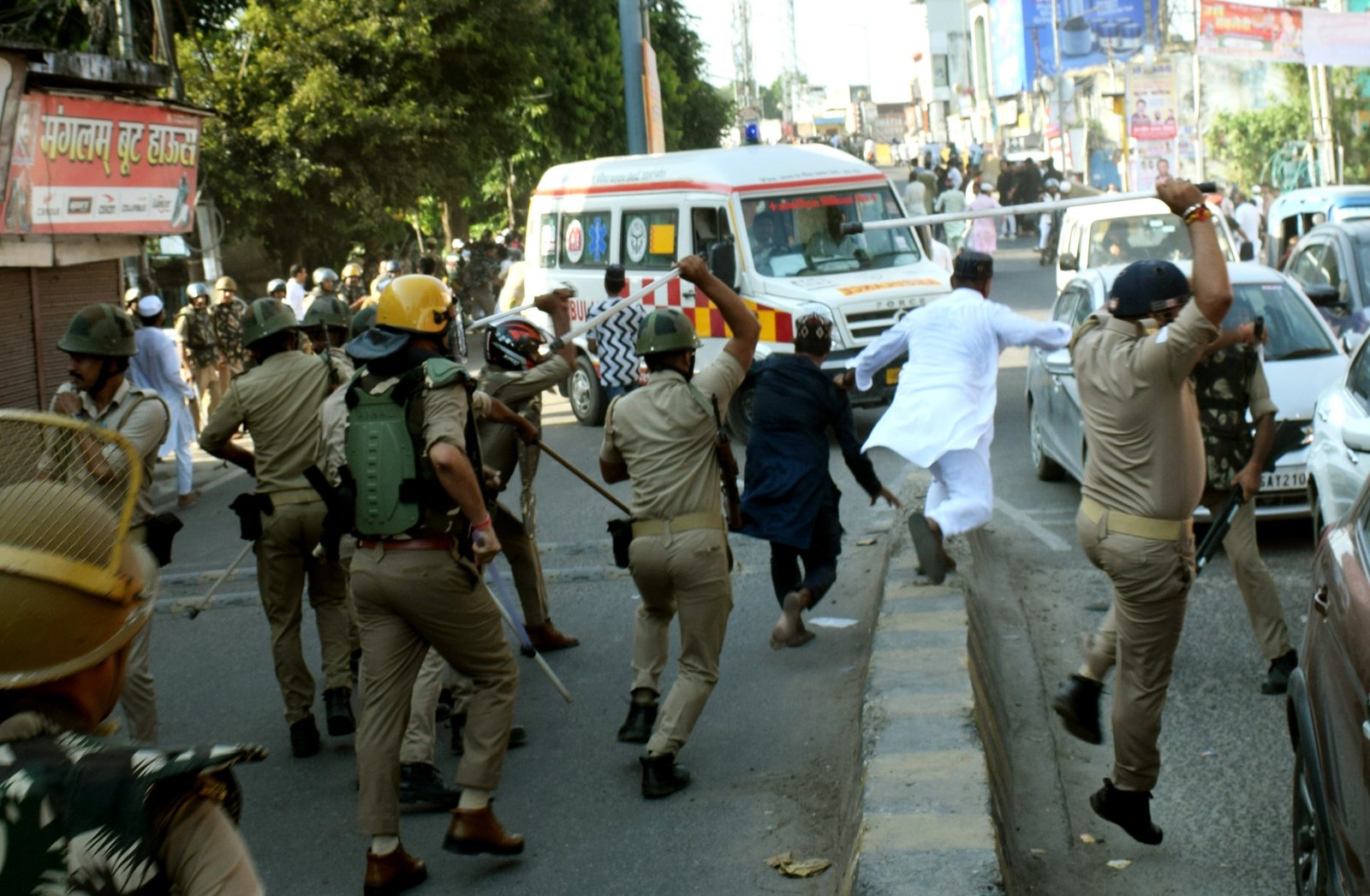
The government deemed this gathering unauthorized; ensuing clashes involved accusations of stone-throwing against protesters prompting police use of baton charges and mass arrests including Maulana Khan himself. Internet services were temporarily suspended throughout Bareilly amid rising tensions.
The Political Environment Amplifying Communal Divides
Uttar Pradesh is home to nearly 38 million Muslims-exceeding Saudi Arabia’s entire population-and constitutes roughly one-fifth of India’s moast populous state demographic. Since 2017 it has been governed by Yogi Adityanath from Prime Minister Narendra Modi’s Bharatiya Janata Party (BJP), known for his stringent policies toward minority communities coupled with rhetoric critics argue marginalizes them further.
This political climate exacerbates minority anxieties who perceive recent crackdowns-including property demolitions-as intimidation tactics rather than impartial law enforcement focused solely on illegal activities or structures.
“Bulldozer Justice”: A Controversial Enforcement Method?
A widespread campaign involving demolition drives targeting properties owned by accused Muslims has emerged across BJP-led states despite Supreme Court rulings denouncing extrajudicial punishments without due process.“Bulldozer justice”, as termed by human rights advocates, circumvents judicial oversight while inflicting severe economic damage on vulnerable families dependent largely on daily wages or informal employment sectors.
“The intent appears to be instilling fear so that Muslims hesitate defending their fundamental rights,” stated Sumaiya Rana-a prominent activist organizing protests featuring I love Muhammad-themed placards outside Uttar Pradesh’s legislative assembly where some participants faced brief detention.
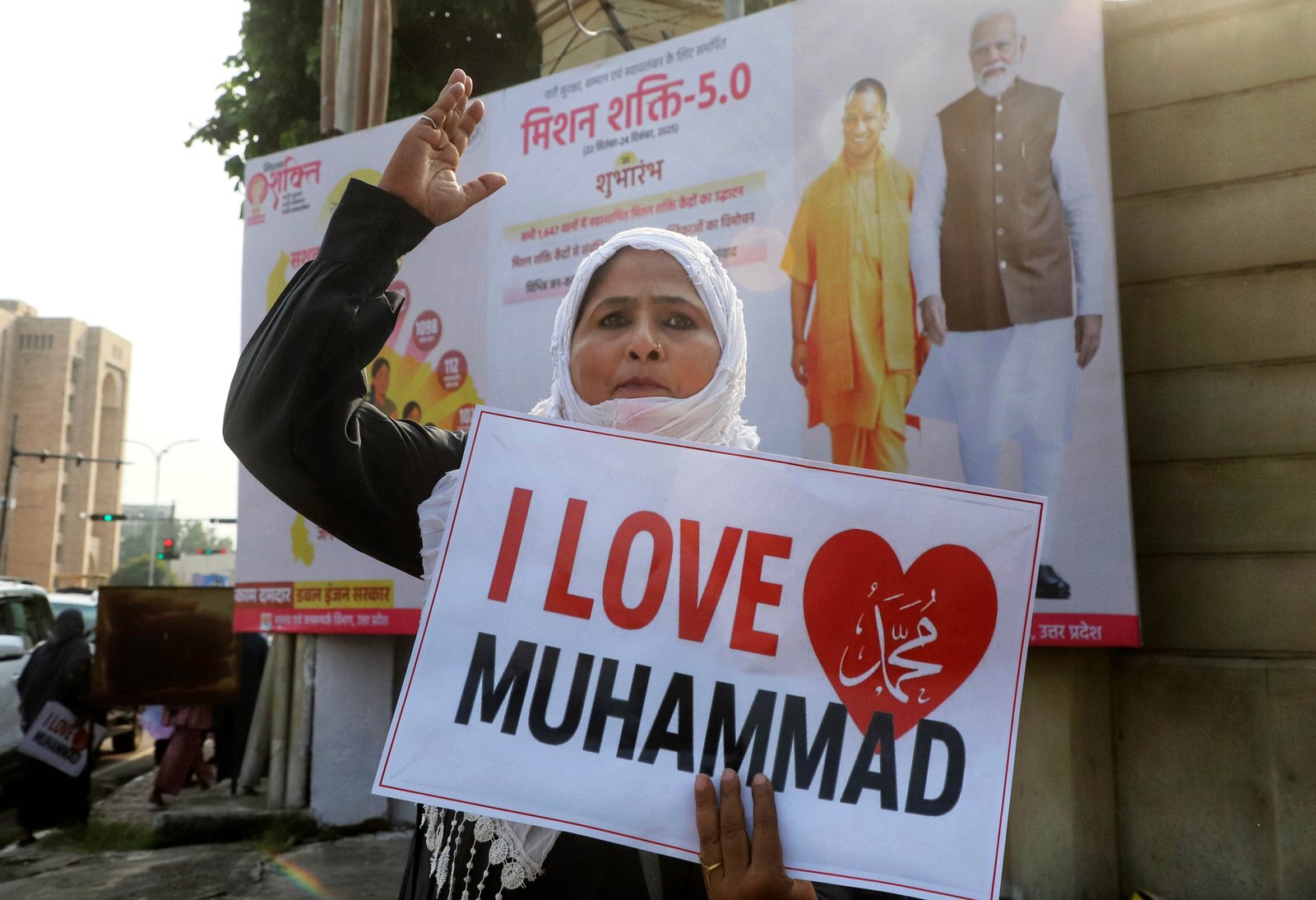
Nationwide Legal Measures Targeting Religious Expressions Related to Slogans Like “I love Muhammad”
- An estimated 22 First Information Reports (FIRs) have been registered across India connected directly or indirectly with campaigns involving slogans such as I love Muhammad.
- More than 2500 individuals have been named; over eighty-nine arrests occurred solely within Bareilly according to civil rights monitors tracking these developments closely.
Civil liberties organizations emphasize how expressions affirming affection toward Prophet Muhammad are frequently enough treated as provocations warranting criminal prosecution while similar expressions made openly within majority communities frequently go unchallenged.
This selective submission undermines india’s secular democratic framework enshrined constitutionally guaranteeing freedom both religiously and politically regardless of community affiliation.
Legal experts stress peaceful exhibition remains protected under Indian law irrespective of faith background:
“Peaceful expression of devotion is our fundamental right,” affirmed SQR Ilyasi from All India Muslim Personal Law Board.
Activists highlight disparities allowing majority groups greater freedom when voicing religious sentiments compared with minorities facing swift punitive responses.”
Diverse Reactions Condemning Government Actions Amid Political Fallout
- The opposition Samajwadi Party criticized government suppression efforts describing them as contrary to democratic values while alleging obstruction when attempting outreach visits supporting victims affected by police crackdowns;
- zia Jillani-a lawyer representing several defendants-noted most arrested belong economically marginalized sections struggling financially even before legal proceedings began;
- This environment fosters exploitation through divisive politics preying upon poverty rather than prioritizing justice or accountability mechanisms essential within pluralistic societies;