Urgent Mass Evacuations Amid Rising Israel-Iran Tensions
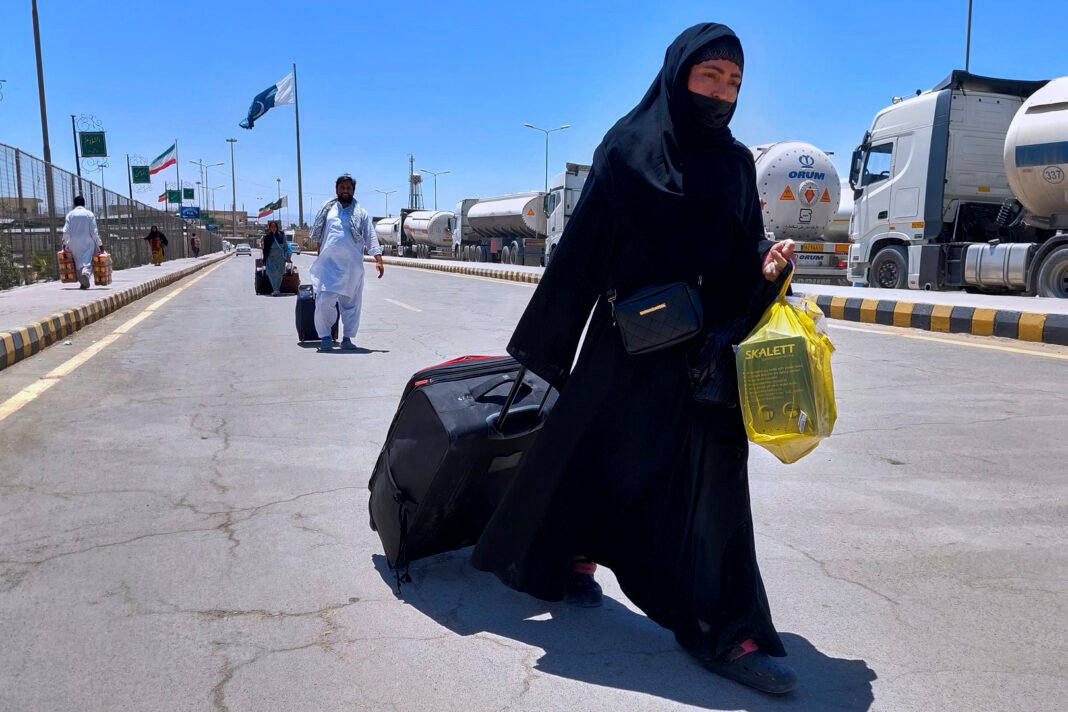
As hostilities between Israel and Iran intensify, a significant number of Pakistani citizens are urgently leaving Iran to escape the escalating conflict. In response to the growing instability, Pakistan has shut all border crossings with Iran indefinitely, signaling deep concerns about potential regional fallout.
Pakistan’s Strategic Border Closure
To protect its population and maintain national security, Pakistan took swift action by closing its borders with Iran without announcing when they might reopen. This precautionary measure reflects Islamabad’s apprehension over the risks posed by an escalating dispute between two nuclear-armed nations in close proximity.
The Human Toll: Rapid evacuation Efforts
Recent videos shared on social media show Pakistani evacuees hastily departing iranian soil, underscoring the urgency faced by civilians caught amid rising tensions. These evacuations form part of a global pattern where governments mobilize quickly to extract their nationals from conflict zones before situations deteriorate further.
Regional Security Concerns and Economic Impact
The sealing of Pakistan-Iran border points highlights growing fears about destabilization across South Asia and the middle East. Analysts warn that prolonged clashes could disrupt vital trade corridors linking these regions, trigger increased refugee movements, and heighten geopolitical rivalries that complicate diplomatic relations.
Conflict-Driven Displacement: A Global Challenge
This crisis echoes other recent mass displacements caused by armed conflicts worldwide-such as Afghans fleeing ongoing violence or Rohingya refugees escaping persecution in Myanmar.Such large-scale migrations place immense pressure on neighboring countries’ infrastructure and humanitarian systems while demanding coordinated international responses.