Paul Biya Clinches Another Presidential Term in Cameroon Amidst controversy
After more then four decades in power, Paul Biya has been officially confirmed as the winner of Cameroon’s latest presidential election. The Constitutional Council reported that Biya secured 53.66% of the votes cast on October 12, extending his rule further.
Opposition Disputes and Contestations
The principal opposition candidate, Issa Tchiroma-a seasoned politician in his late seventies and former government spokesperson-asserted victory before official results were announced. His party released data indicating a notable share of votes for their candidate; though, these claims were strongly dismissed by President Biya’s camp.
Post-election Unrest and Security Clashes
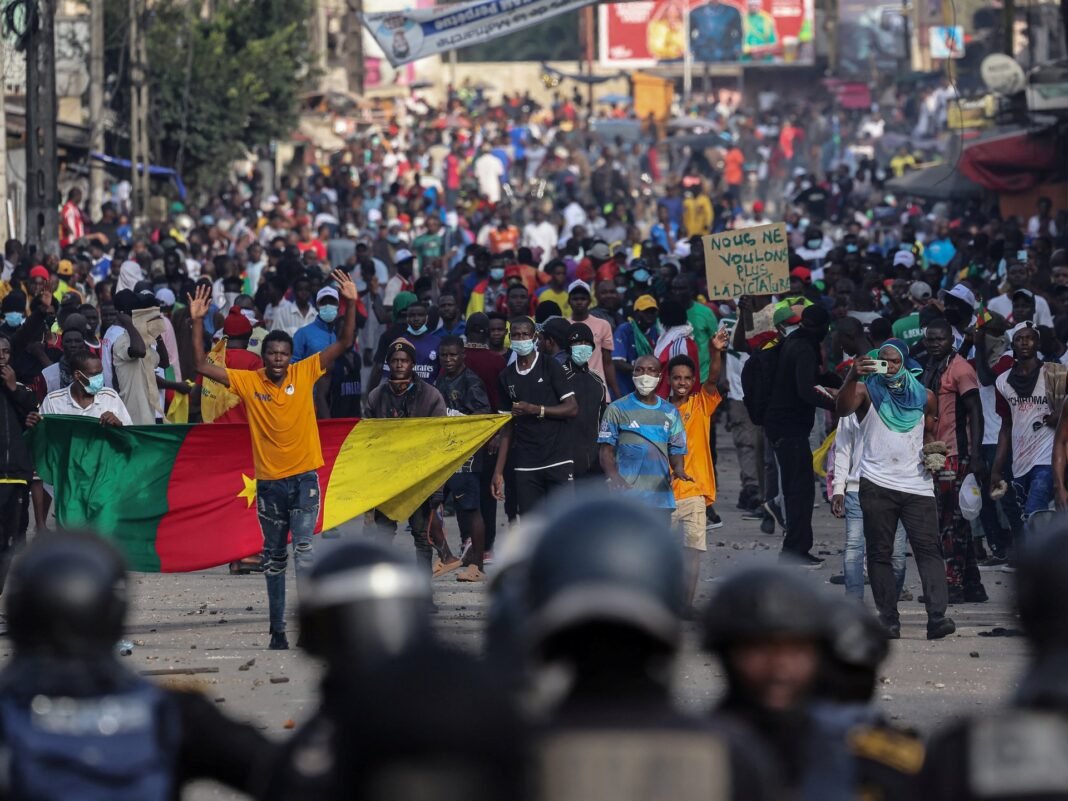
Tensions surged notably in Douala, Cameroon’s largest city, following the election day. Supporters of opposition candidates took to the streets demanding transparency and fairness in vote tallying. Security forces responded with force during protests on Sunday, resulting tragically in at least four deaths amid confrontations.
The Complex Political Habitat Surrounding Paul Biya’s Rule
At 92 years old,Paul Biya stands as one of Africa’s most enduring heads of state. His continued grip on power highlights a political landscape marked by skepticism from opposition parties and civil society regarding electoral integrity. This recent election represents his pursuit of an eighth term amid persistent calls for democratic reforms within Cameroon.
Comparative Perspective: Extended Leadership Across Africa
Biya’s lengthy presidency mirrors other African leaders who have maintained authority over several decades despite increasing pressure for political change.For example, Yoweri Museveni has led Uganda since 1986 while Teodoro Obiang Nguema Mbasogo has ruled Equatorial Guinea since 1979. These prolonged tenures prompt critical discussions about governance structures and long-term stability across different nations.