Rising Tide of political Violence: Understanding the Minnesota Lawmaker Shootings
A New Era of Threats Against Elected Officials
The recent shootings targeting Minnesota state legislators represent a deeply unsettling escalation in politically motivated violence across the United States. This tragic event,which claimed two lives and left several others wounded,highlights an alarming increase in attacks directed at public servants based on their political affiliations.
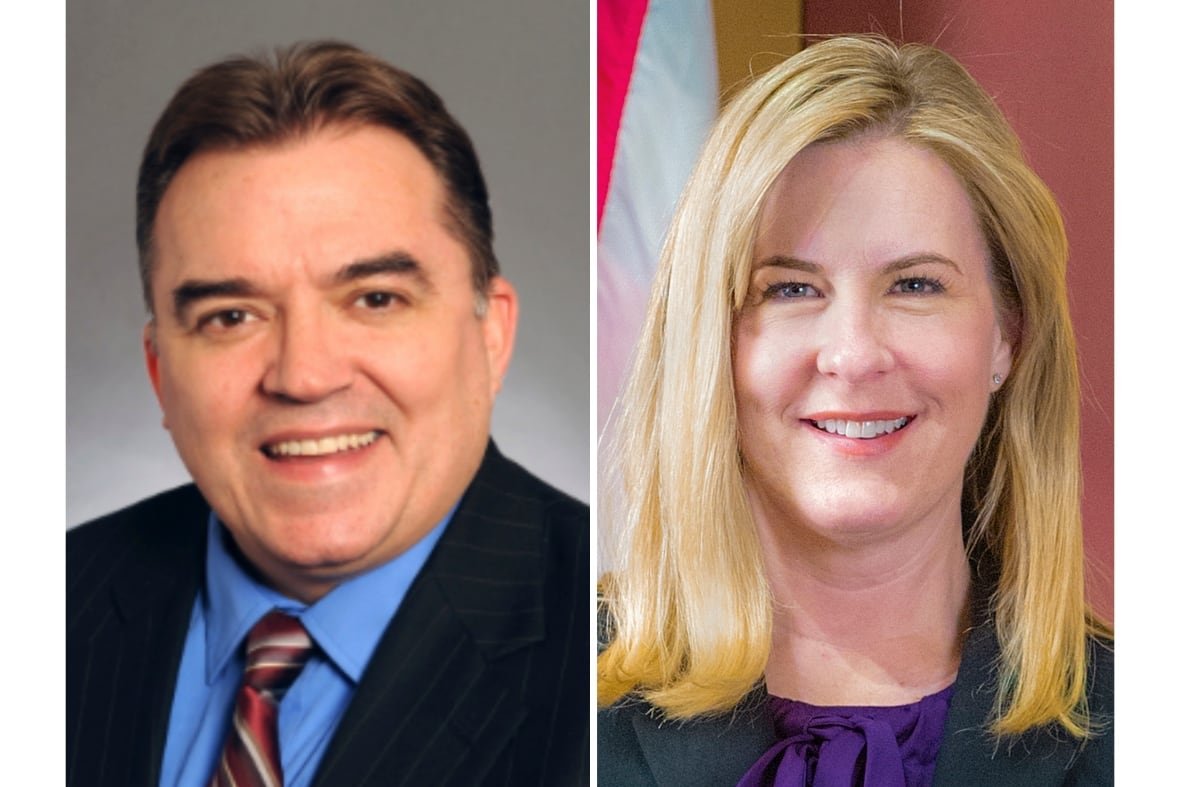
On June 13, democratic House Speaker Melissa Hortman and her husband Mark were fatally shot at their residence in Brooklyn Park, Minnesota. In a nearby neighborhood, Democratic State Senator John Hoffman and his wife Yvette survived multiple gunshot wounds. These violent acts have reverberated throughout communities nationwide, sparking widespread concern.
Examining the Suspect’s Background and Broader trends
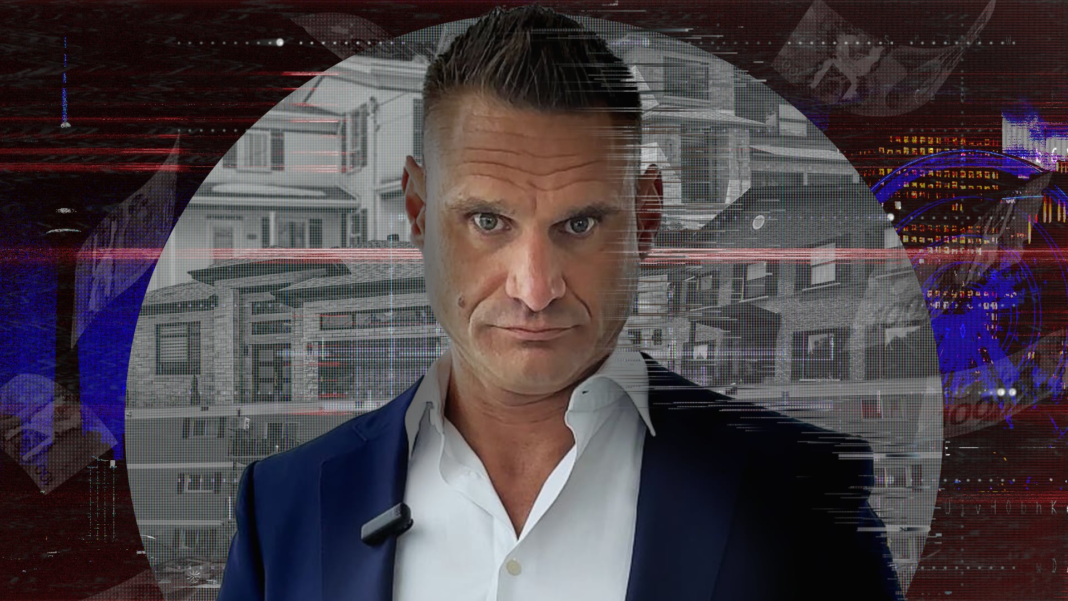
The suspect, 57-year-old Vance Boelter, faces serious charges including murder, attempted murder, and stalking. Court documents reveal disturbing messages he sent to family members declaring he had “gone to war,” reflecting a dangerous mindset fueling these attacks.Investigators uncovered references to various Democratic politicians within his personal writings.
This incident fits into a larger pattern identified by experts who note a sharp rise in partisan-driven violence targeting elected officials over the past decade-a trend that threatens democratic institutions.
The Changing Landscape of Political Threats
Historically, hostility toward government was often generalized; however, recent years have seen more precise targeting based on party lines. From 2016 through early 2024 alone, there have been over 25 documented terrorist incidents against public officials motivated by political partisanship-an increase nearly twelve times higher than previous decades combined.
Elected representatives now face unprecedented volumes of threats: Capitol Police report record numbers of menacing communications aimed at Congress members while judges experience heightened intimidation when issuing rulings unpopular wiht certain political factions.
Bipartisan Victims Amid Escalating hostility
This surge in politically charged threats affects both sides of the aisle equally. For example, earlier this year a Georgia man was indicted for leaving violent voicemail threats against Republican Senators Ted Cruz and Deb Fischer-demonstrating that no party is immune from such dangers amid growing polarization.
An Uncommon but Growing Phenomenon: Attacks on Lawmakers’ Residences
While gun violence rates remain high across America compared to other G7 nations-with approximately 14 firearm-related deaths per 100,000 people annually-the intentional targeting of politicians’ homes remains relatively rare but increasingly visible as partisan tensions escalate nationwide.
The last fatal attack specifically aimed at a state legislator’s home occurred more than twenty years ago when Tennessee lawmaker Tommy Burks was assassinated during his re-election campaign-a stark contrast with today’s environment where private residences are becoming sites of political conflict.
Recent Incidents Beyond Minnesota Highlight Widespread Risks
- This year saw arson charges filed after an attack on Pennsylvania’s governor’s residence;
- A former Republican candidate was convicted for orchestrating shootings near opponents’ homes in New Mexico;
- An armed individual traveled interstate intending harm near Supreme Court Justice Brett Kavanaugh’s Maryland home but aborted after noticing security presence;
- Judges involved with controversial cases have faced harassment tactics such as unsolicited pizza deliveries meant to intimidate;
- Repeated swatting calls targeted Republican Representative Marjorie Taylor Greene’s residence-with one call tragically resulting from police responding mistakenly elsewhere during such false alarms.
The Influence-and Danger-of Divisive Political Language
Elected officials below top federal ranks frequently enough lack extensive security protections afforded to Supreme Court justices or senior lawmakers due largely to budget constraints; former Senator Mitt Romney disclosed spending thousands monthly out-of-pocket following the January 6 Capitol riot for personal safety measures alone.
This reality places greater responsibility on leaders’ rhetoric since incendiary language can deepen divisions or even provoke violent actions among supporters or adversaries alike.
A Growing Tolerance for Political Violence?
“Surveys conducted between 2017 and early 2024 reveal increasing acceptance among Americans regarding justification for political violence if provoked first by opposing groups,” researchers observe.
“For instance: those agreeing that ‘the other party is fundamentally evil’ rose from roughly 40% (2017) up to nearly 60% (2021). Similarly contentious views about retaliatory force expanded significantly across both major parties.”
This marks a dramatic shift from late-1970s data showing only about six percent condoned any form of politically motivated forceful action-highlighting deepening societal polarization over time.
Civil dialog Remains Crucial Amid Rising Tensions
“Even brief public statements condemning all forms of political violence by prominent figures substantially reduce approval ratings among their followers,” studies demonstrate.
“This underscores how responsible leadership communication can help ease tensions despite escalating conflicts.”
Deterioration Of Unity Following Tragic Events
The bipartisan solidarity once witnessed after incidents like Congressman Steve scalise’s shooting eight years ago appears diminished today; rather responses frequently devolve into blame-shifting fueled by misinformation campaigns spreading rapidly online instantly following tragedies like those recently seen in Minnesota.
- Misinformation quickly circulated post-shootings falsely accusing suspect affiliations-including claims pushed by influential individuals alleging left-wing motives despite investigations indicating otherwise;
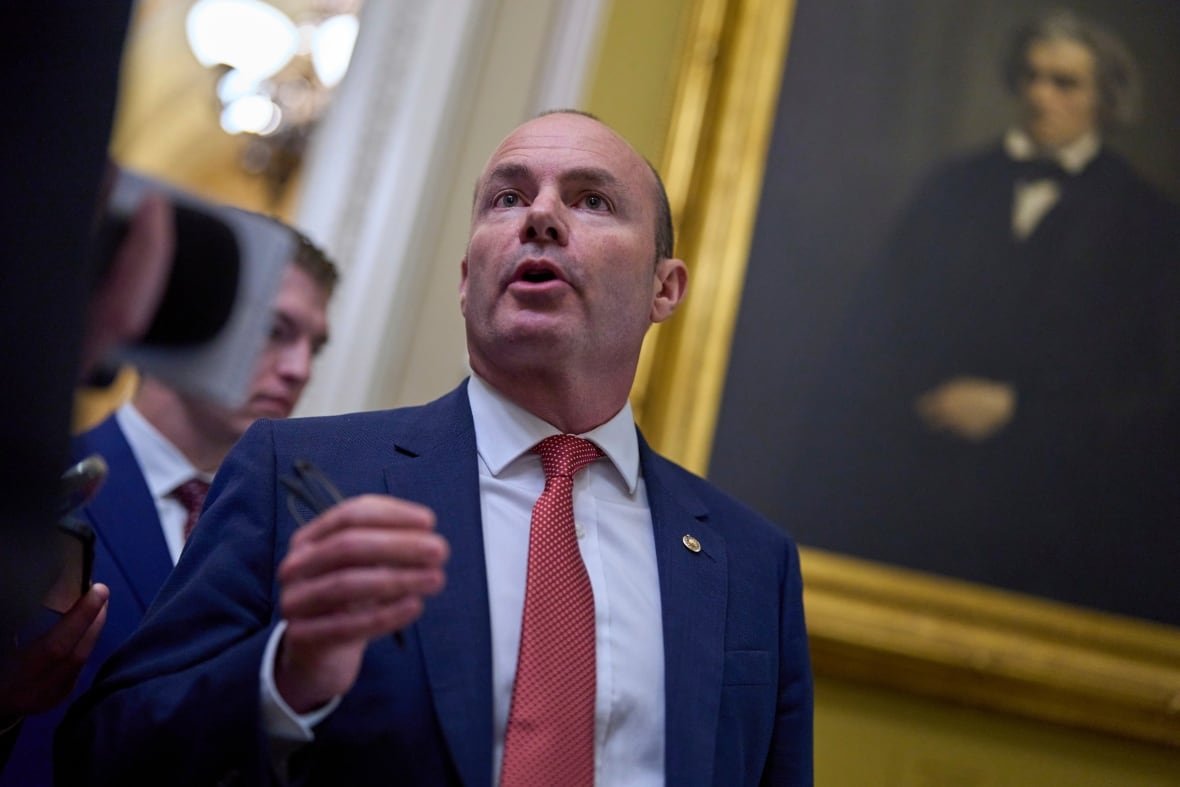
- Minnesota Senator Tina Smith publicly criticized Utah senator Mike Lee after inappropriate social media posts speculating about suspect identity went viral before removal;
- Cultural commentators condemned such provocative behavior amid national mourning periods emphasizing respect rather than division;
Lack Of Empathy Among Some National Leaders Deepens Divisions
“Despite condemning last weekend’s horrific events via social media posts calling them ‘terrible,’ some prominent figures refrained from direct outreach expressing solidarity with victims or local authorities,” observers note.
“One leader dismissively questioned contacting state officials saying ‘Why would I call him?'”
This hardened stance persists alongside use of dehumanizing labels historically applied toward opponents-terms like “vermin,” “traitor,” or “scum”-which further inflame animosity rather than promote healing following violent acts committed against public servants representing diverse constituencies nationwide.
A Collective Call For Reflection And Change
Minnesota U.S Attorney Joseph Thompson urged society as a whole to learn lessons emphasizing that disagreement need not equate moral condemnation nor justify brutality: “People can disagree without being evil.” Yet this message struggles reaching audiences entrenched within polarized echo chambers where hostility festers unchecked.