Middle East Turmoil Causes Sri Lanka to Delay Cricket Series with Afghanistan
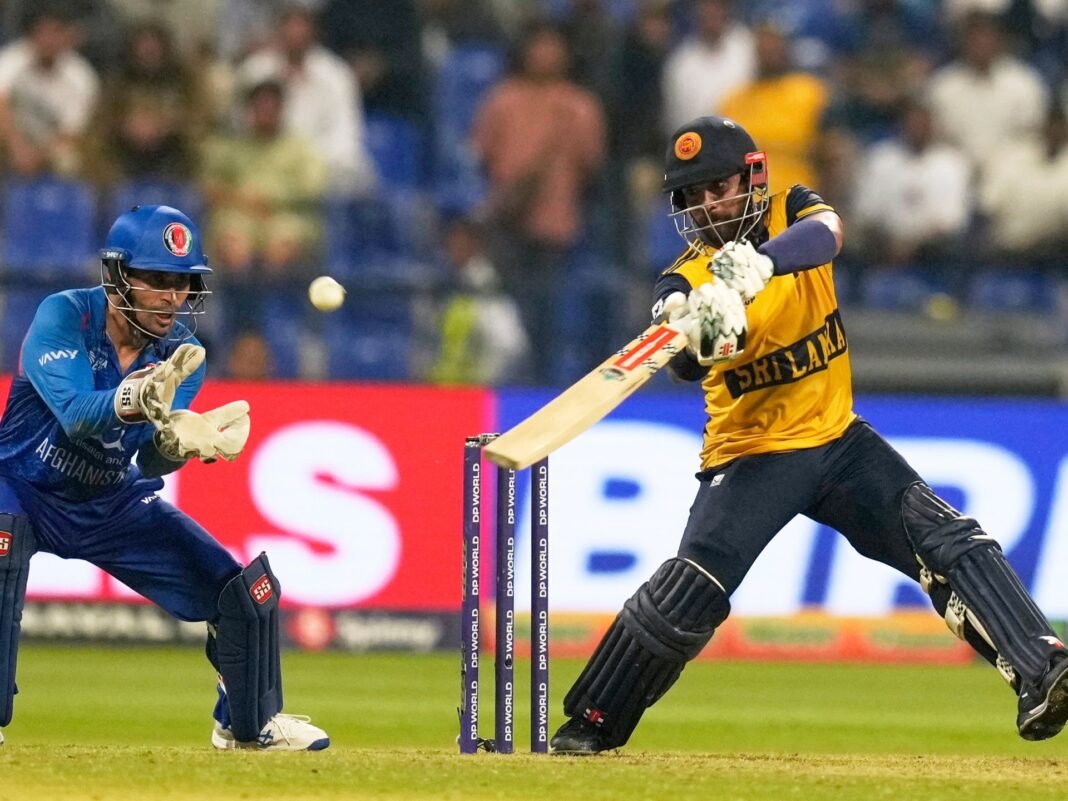
The six-match limited-overs cricket series between Sri Lanka and Afghanistan, originally planned to be held in the United Arab Emirates (UAE), has been postponed indefinitely amid escalating military tensions in the Middle East.
How Regional Conflict Disrupts International Sporting events
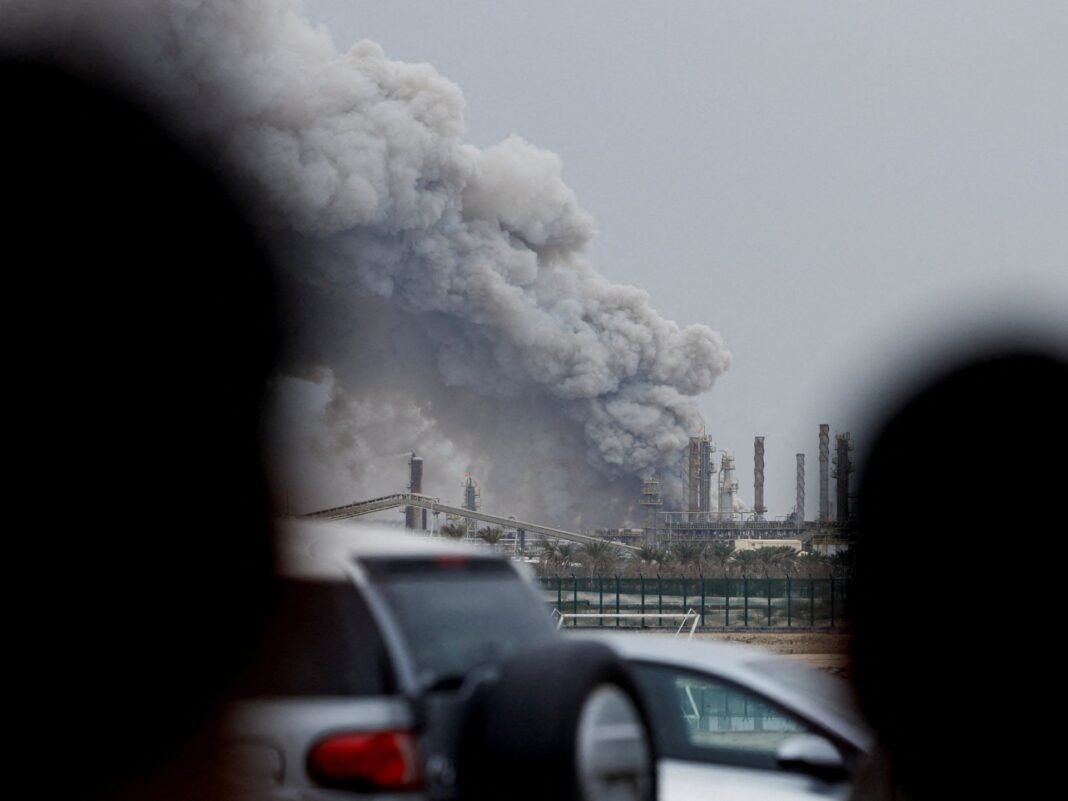
Recent hostilities involving Iran have led to widespread disruptions in air travel throughout the Gulf region. Due to these safety concerns and numerous flight cancellations,Sri Lanka Cricket officials decided against sending their team abroad,resulting in the indefinite postponement of the scheduled matches.
The series was initially arranged to include three Twenty20 internationals at Sharjah on March 13, 15, and 17, followed by three One Day Internationals slated for Dubai on march 20, 22, and 25. This would have been a landmark event as Afghanistan’s first bilateral cricket series against Sri Lanka.
Afghanistan’s Struggles with hosting International Cricket Fixtures
Although Afghanistan has rapidly risen through international cricket ranks-currently positioned among the top ten teams worldwide-they have yet to host an official international match within their own borders.Persistent security challenges compel them to hold “home” games at neutral venues such as stadiums in India or the UAE.
A Coaching Transition Amidst Uncertainty
Sri Lanka recently appointed Gary Kirsten as head coach following Sanath Jayasuriya’s resignation after a disappointing T20 World Cup performance. Kirsten is set to commence his two-year contract starting April 15. His coaching résumé includes leading india from 2008-2011 and South Africa between 2011-2013.
The Wider Impact of Middle Eastern Conflicts on Global sports Calendars
- Major airports across the UAE faced temporary shutdowns due to missile threats launched by Iran targeting strategic sites throughout the Gulf region.
- This disruption mirrors previous instances where geopolitical crises forced rescheduling or cancellation of major sporting events-such as, football tournaments affected during political unrest or Formula One races relocated due to regional instability.
- The current situation highlights how volatile conflicts can cascade into global sports schedules-impacting athletes’ training routines and fans’ engagement worldwide.