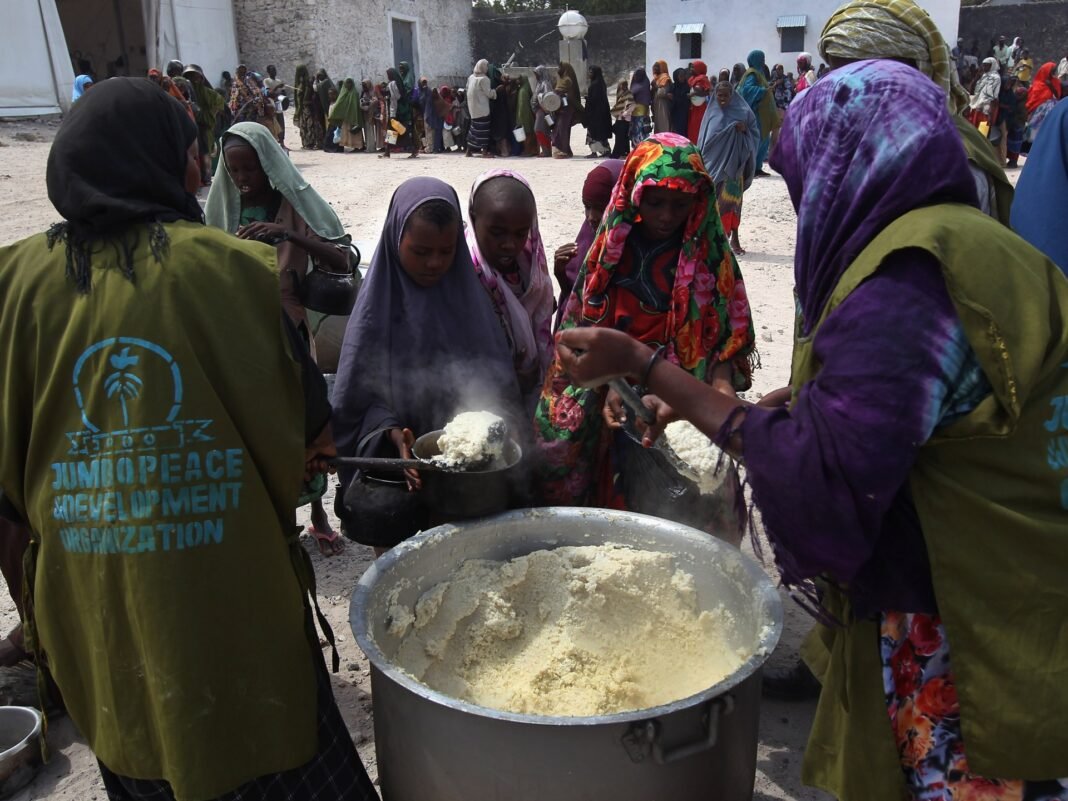
Somalia’s Hunger Crisis Deepens Amidst Shrinking Aid
Worsening food shortages are pushing Somali households to the brink, demanding urgent humanitarian intervention to avert a catastrophic famine.
Emergency Food Support Faces Imminent Discontinuation
The World Food Programme (WFP) has revealed that its crucial emergency food and nutrition assistance in Somalia is at risk of ending by April due to a severe lack of funding. This potential halt threatens millions already struggling with extreme hunger conditions.
Currently, nearly 4.4 million Somalis-roughly one-quarter of the population-are experiencing crisis-level or worse food insecurity. Among them, close to one million people endure life-threatening starvation, including many vulnerable women and children.
Climate Extremes and Conflict Drive worsening Food Insecurity
Somalia remains one of the world’s most vulnerable countries to climate variability, frequently suffering from intense droughts and floods. The nation has recently endured two consecutive failed rainy seasons that have devastated both crops and livestock populations. These environmental shocks are compounded by persistent conflict and political instability, further aggravating widespread food shortages across large swaths of the country.
A Dire Forecast Without Swift Humanitarian Action
“The crisis is escalating at an alarming pace,” explained Ross Smith,WFP’s director for emergency preparedness and response. “Countless families have lost their means of survival; many teeter on the edge of famine. Without rapid delivery of emergency aid, conditions will deteriorate drastically.”
The WFP currently provides emergency rations to only about 600,000 individuals-a steep drop from 2.2 million beneficiaries earlier this year-meaning just one in seven people in need receive assistance.
Nutritional Programs severely Reduced Amid Funding Deficits
Programs aimed at supporting pregnant women, breastfeeding mothers, and young children have been slashed dramatically-from nearly 400,000 recipients last October down to approximately 90,000 by December-heightening risks for malnutrition-related diseases among these vulnerable groups.
The Broader Regional Consequences
“If this limited support ceases entirely,” warned Smith,”the ensuing humanitarian disaster will spark security challenges and economic instability far beyond Somalia’s borders.”
Health Risks Escalate Due To Malnutrition Surge
Medical teams working within Somalia report a troubling rise in preventable illnesses among children suffering from severe acute malnutrition.Outbreaks of measles, diphtheria cases increasing sharply alongside surges in acute watery diarrhea are being observed as hunger intensifies.
“We are witnessing an alarming increase in child deaths directly linked to nutritional deficiencies,” healthcare workers on site reported.
A Global appeal for Immediate Assistance
- Drought Devastation: Recent years have seen drought wipe out over half the livestock herds nationwide-a critical income source for pastoralist communities across Somalia.
- Sustained Conflict: Ongoing clashes disrupt vital supply routes needed for delivering aid into rural areas where needs remain highest.
- Nutritional Challenges: UNICEF estimates indicate more then one-third of Somali children under five suffer stunted growth caused by chronic malnutrition worsened by current crises.
This risky combination of environmental disasters coupled with dwindling financial support places millions at imminent risk unless swift international efforts mobilize adequate resources toward lifesaving interventions throughout Somalia’s hardest-hit regions.