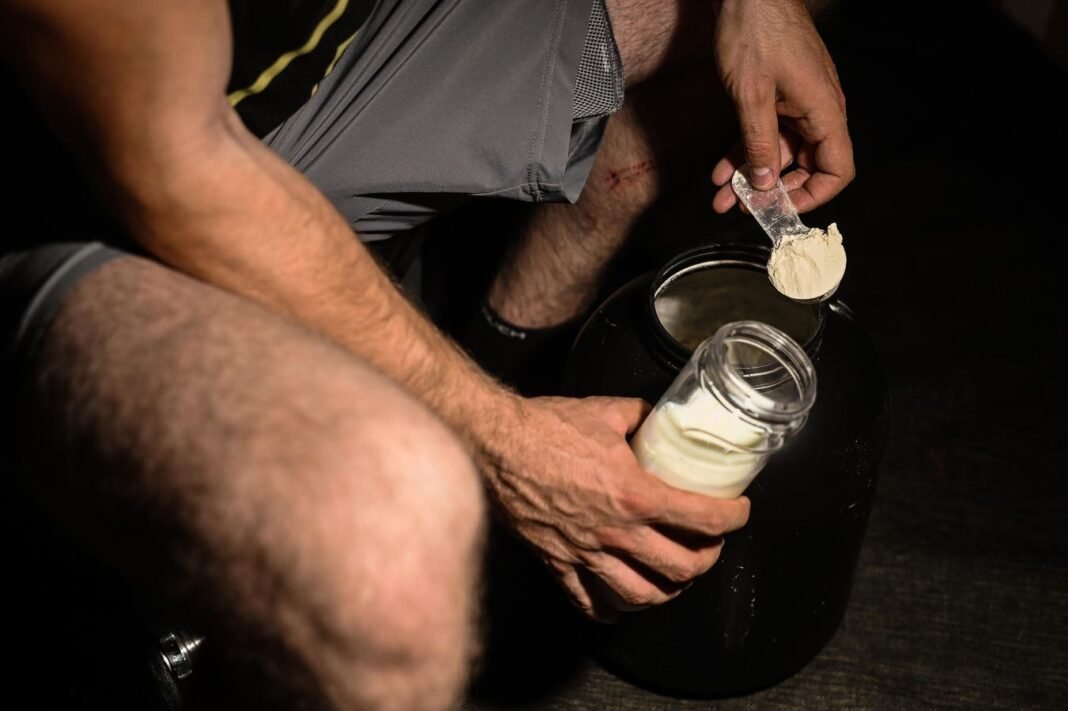
Understanding Heavy Metal Contamination in Protein Powders: Essential Insights
Lead Contamination in Popular protein Supplements: A Growing Health Concern
Recent scientific evaluations have uncovered alarming levels of heavy metals, especially lead, in many widely consumed protein powders and ready-to-drink protein shakes. This issue has intensified over the past decade, reflecting a troubling trend within the booming protein supplement industry.
How Widespread Is Lead Presence in Protein Products?
Analysis of 23 frequently purchased protein supplements revealed that over 70% contained lead amounts exceeding the advised daily limit of 0.5 micrograms per serving. Some products exhibited lead concentrations up to tenfold higher than what health authorities deem safe for daily intake.
Plant-based protein powders were disproportionately affected, with nearly every tested sample showing elevated lead levels. In fact, two plant-based products had contamination so severe that health professionals strongly recommend avoiding their consumption.
Lead Content variation by Protein Type
- Plant-Based Proteins: On average, these contained nine times more lead than dairy-based proteins and double the levels found in beef-derived supplements.
- Dairy-Based Proteins: Typically showed the lowest heavy metal contamination, although about half still had lead amounts warranting caution for daily use.
Top Offenders: Protein Supplements with Highest Lead Levels
The following products recorded the most notable lead concentrations (micrograms per serving):
- Naked Nutrition Vegan Mass Gainer – 7.7 mcg
- Huel Black Edition Chocolate – 6.31 mcg
- garden of Life Sport Organic Plant-Based Protein Vanilla – 2.76 mcg
- Momentous 100% Plant Protein Chocolate Flavor – 2.33 mcg
Toxic Metals Beyond Lead: Cadmium and Arsenic Concerns
Apart from lead, several protein powders also contained hazardous levels of cadmium and inorganic arsenic-both linked to serious health issues such as cancer and organ damage when ingested over prolonged periods.
The Scope of Heavy Metal Exposure from Protein Supplements: Key Figures
Approximately 70% of tested protein powders surpassed Consumer Reports’ safety threshold for daily lead exposure (0.5 micrograms), highlighting how pervasive this contamination problem has become within today’s supplement market.
User Recommendations: Navigating Safe Consumption Practices
“While occasional consumption is unlikely to cause immediate harm, regular intake may increase long-term health risks,” experts caution. They advise consumers who frequently use these products to limit their intake or select brands verified to have low heavy metal content.
The Expanding Market and Its Impact on Product Safety Standards
The popularity of protein-enriched foods has surged dramatically, with high-protein products quadrupling on grocery shelves nationwide between 2013 and early 2024. The U.S. whey protein market alone is valued at an estimated $7 billion annually, reflecting consumers’ growing interest in muscle development and wellness nutrition.
This rapid growth has brought increased attention to product safety, especially regarding contaminants like heavy metals that can accumulate due to environmental pollution or manufacturing processes affecting raw materials such as peas, rice, or hemp used in plant-based powders.
A Contemporary Comparison with Historical Data on Heavy Metals in Proteins
A recent autonomous study found that plant-based proteins contain roughly three times more lead than whey-based options-a finding consistent with current data showing chocolate-flavored powders frequently enough harbor considerably higher cadmium levels (up to 110 times more) compared to vanilla variants.
Taking Precautions Against Heavy Metal exposure from Protein Supplements
- Choose Carefully: Favor dairy- or beef-derived proteins when possible, as these generally have lower contamination rates compared to many plant-based alternatives currently available.
- Diversify Your Diet: Incorporate natural protein sources like eggs, fish, legumes, nuts, and seeds rather of relying solely on supplements every day;
- < li >< strong >Verify Certifications : Seek out third-party testing seals that confirm minimal heavy metal content before purchasing any powder or shake;
- < li >< strong >Moderate Usage : Use high-protein supplements occasionally rather than making them a daily staple until industry-wide improvements are implemented;
“The advantages gained through regular supplementation must be balanced against potential toxic exposures,” emphasize food safety experts monitoring global trends in supplement purity.”
.