



How Aldi Is Transforming Grocery Shopping in the United States
Rapid Expansion Reflects Changing Consumer Habits
In response to growing financial caution among American families across all income brackets, Aldi is aggressively expanding its presence by planning to open more than 180 new stores nationwide this year. These new locations will often be situated in areas traditionally dominated by long-established supermarket chains and large retail giants.
This expansion continues a decade-long surge for the German grocer, which now ranks as the third-largest grocery chain in the U.S. by store count,trailing only Walmart and Kroger. In 2024 alone, Aldi launched nearly 200 outlets, pushing its total number of U.S. stores beyond 2,600 as of December.
Moreover, Aldi is broadening its geographic reach with entry into Maine-its 40th state-and upgrading its e-commerce platform this year. Plans are also underway to build new distribution centers in Florida, Arizona, and Colorado over the next five years to support this rapid growth.
the Rise of Discount Grocers Amidst a Fragmented Market
The American grocery sector has historically been divided among regional chains, specialty shops, big-box retailers, and membership-based clubs. However, discount grocers like Aldi are gaining momentum by appealing to shoppers who seek affordability without sacrificing product quality.
“Today’s consumers prioritize smart spending over extravagant store experiences,” explained an executive at Aldi U.S. “They recognize that private-label brands deliver excellent value while maintaining high standards.”
This shift reflects a broader trend where shoppers are increasingly mindful not only about their budgets but also about minimizing time spent during grocery trips.
Emerging Shopper Preferences Favor Value Over Variety
A recent study surveying over 1,600 Americans found a notable decline in shopping frequency at traditional supermarkets across all demographics compared with last year’s figures. The most significant decreases were observed among households earning above $100K annually (down by seven percentage points) and younger adults aged 25-34 (down six points).
Industry analyst Matthew Hamory noted that major players such as kroger and Albertsons have lost ground while discounters like Aldi continue attracting customers through competitively priced fresh produce and everyday essentials.
“Consumers increasingly trust discount grocers for fresh foods paired with reliable private-label products,” Hamory stated. “these items are consistently available locally with convenient access.”
Aldi’s Growing share Despite Intense Competition
While Walmart dominates the U.S. grocery market holding roughly 21% share followed by Kroger and Costco; Aldi commands a smaller yet steadily increasing slice estimated at approximately 2.8%, based on data through October 2025 from Numerator research firm.
- Aldi’s foot traffic surged more than fifty percent between 2019-2024 according to anonymized mobile tracking analyzed by Placer.ai;
- The chain experienced an impressive eight percent increase in store visits year-over-year during early-to-mid-2025;
- This growth rate outpaced competitors including Costco (+5.9%), Albertsons (+1.6%), Kroger (+0.8%), and Walmart (+0.5%);
- The overall grocery industry saw just a modest three-point-one percent rise within that timeframe;
Mainstream Grocers Adjust Strategies Under Pressure
Traditional supermarket operators face mounting challenges: Albertsons recently issued cautious forecasts citing heightened price sensitivity even among affluent buyers; meanwhile Kroger’s interim leadership emphasized investments focused on competitive pricing strategies alongside selective new store openings amid an habitat heavily centered on value-though direct competitor names were avoided.
A Unique Business Model: Small Stores & Exclusive Brands
Diverging from sprawling supermarkets stocked with thousands of national brand SKUs such as Heinz or General Mills products; Aldi operates compact stores averaging around 10,000 square feet, considerably smaller than walmart supercenters which average over 178,000 square feet.
- Over ninety percent of merchandise consists of proprietary private-label goods crafted exclusively for their shelves;
- Simplified checkout systems utilize multiple barcodes per item for efficiency;
- Bags must be brought from home or purchased separately at checkout;
- carts require coin deposits refundable upon return to reduce losses;
- Certain products remain displayed inside original cardboard boxes or stacked on pallets to streamline stocking processes.
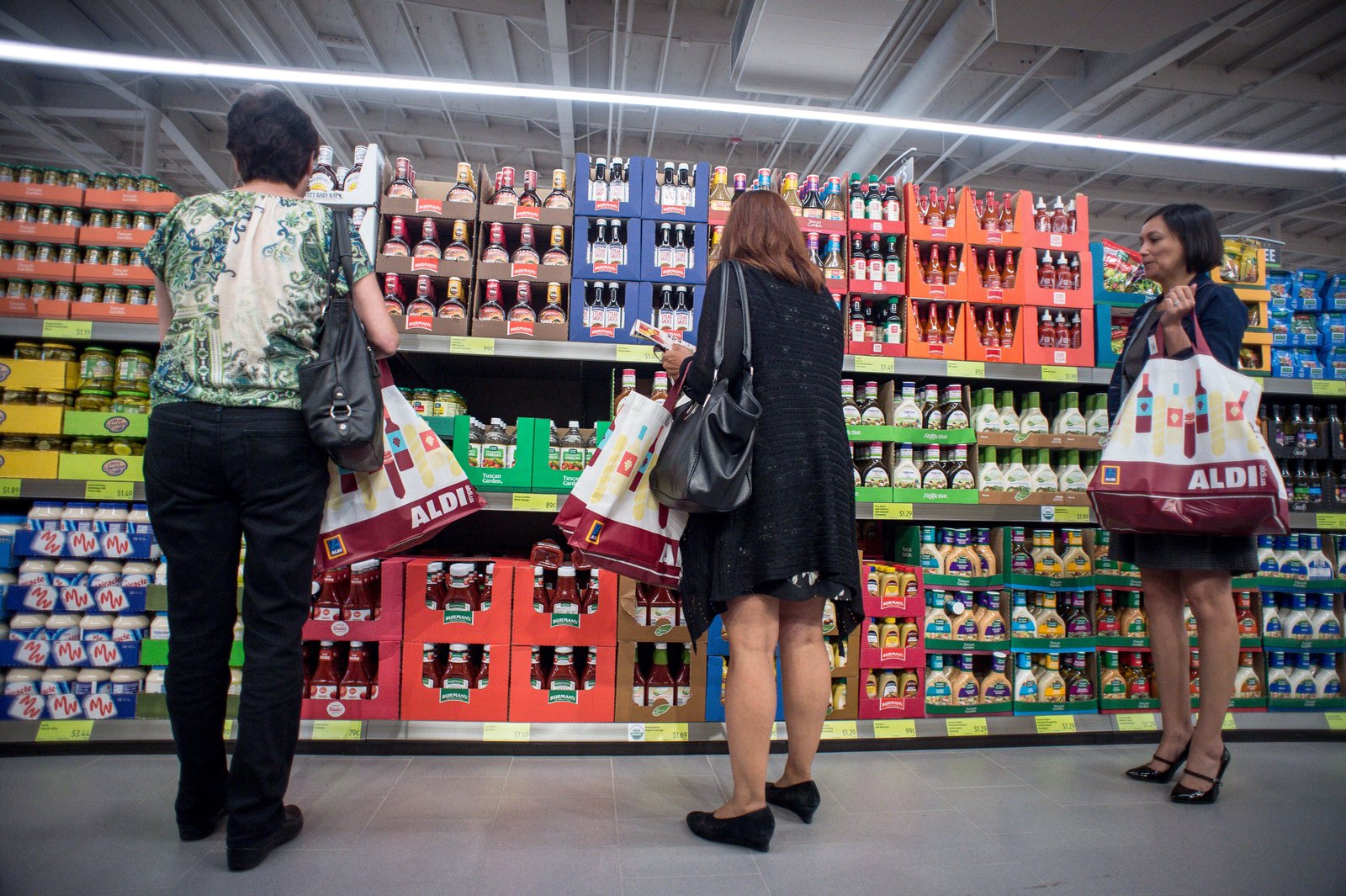
This minimalist approach cuts operational expenses while helping customers avoid overwhelming choices-for instance skipping dozens of ketchup varieties-in favor of carefully curated selections featuring trending health-conscious items like turmeric-infused snacks or plant-based protein bars.
The Excitement Behind limited-Time “Aldi Finds” Deals
A distinctive feature called “Aldi Finds” offers rotating seasonal specials available only briefly-from affordable kitchen gadgets such as sous-vide cookers under $30 to festive home décor priced below $15 recently spotted at urban locations including chicago’s Lincoln Park store.
Alongside these limited-time deals appear familiar branded favorites occasionally included within these runs-for example Annie’s Organic Bunny Grahams or Bolthouse Farms dressings-to complement core offerings.
This tactic encourages repeat visits fueled partly by curiosity about upcoming bargains rather than relying solely on routine purchases every trip.
The narrower product assortment means some shoppers may supplement trips elsewhere-a tradeoff management accepts aiming primarily for being customers’ preferred first stop rather than sole destination.
Loyal Shoppers Embrace simplicity And Savings
“Even if it means driving forty-five minutes each way,” shared Jessica Nguyen-a Seattle resident who frequents her local Alderwood location weekly despite traffic delays.
Raised frugally where off-brand cereals were staples during college days surviving on simple meals like lentils & rice bought exclusively from discount grocers,
she continues choosing Aldi after relocating because it reliably saves money compared with neighborhood alternatives-even factoring delivery fees when ordering online.
“It feels almost personal now-my unwavering loyalty,” she joked about collecting seasonal tote bags bearing the brand logo along with cookware purchased there.”


