
Amazon Web Services Launches European Sovereign Cloud to Enhance regional Data Governance
A New Chapter in Cloud Sovereignty Across Europe
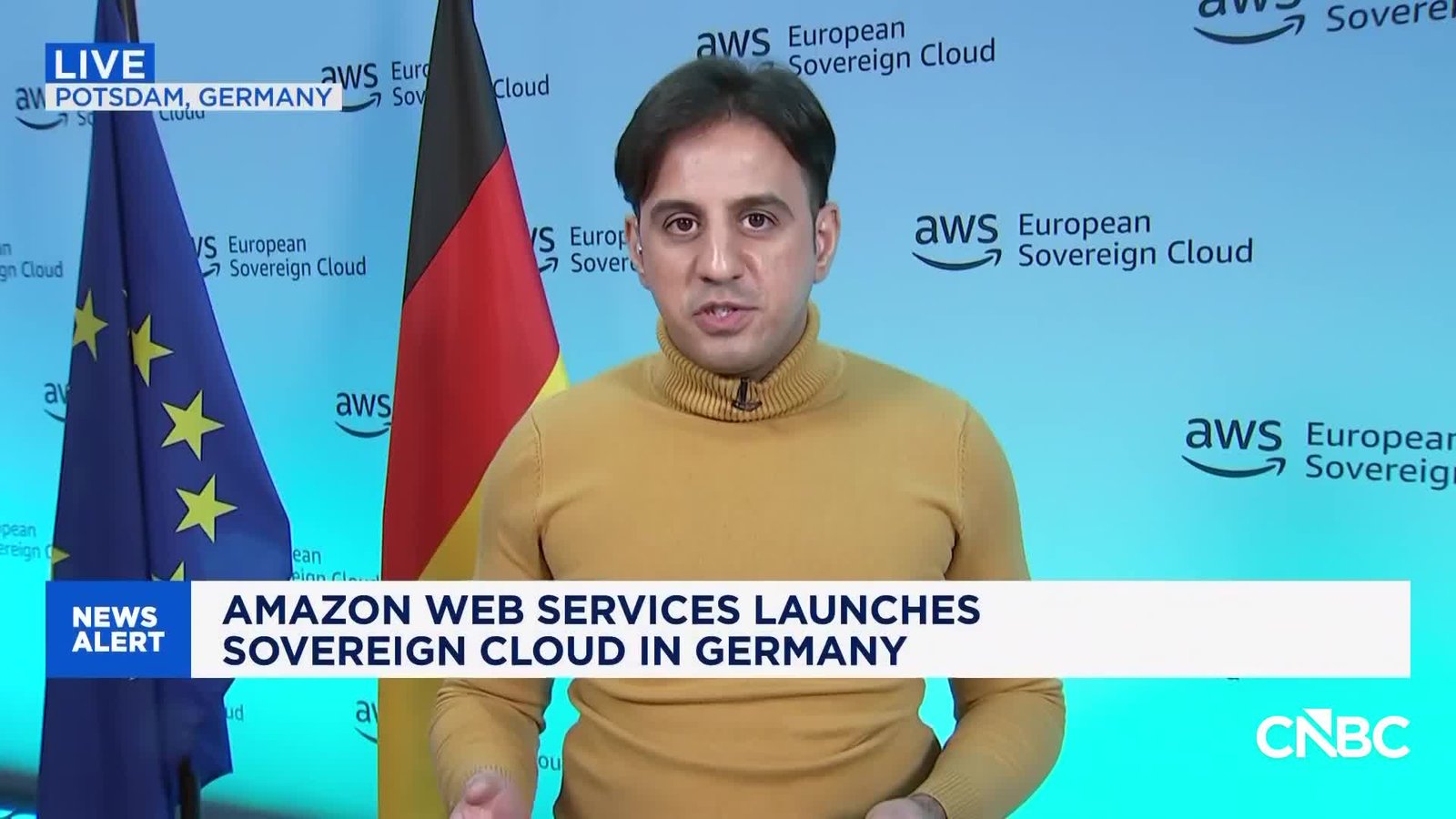
Amazon Web Services (AWS) has introduced its groundbreaking “sovereign cloud” offering throughout Europe, designed to uphold its market leadership amid increasingly strict regulations targeting major technology firms. This initiative prioritizes keeping data confined within national borders, addressing escalating concerns about data privacy and jurisdictional authority.
Defining the Sovereign Cloud Paradigm
The sovereign cloud concept revolves around delivering cloud services where all data storage, processing, and management are strictly contained within a specific legal jurisdiction. This model eliminates cross-border data transfers and complies rigorously with regional privacy mandates.
The European union’s Drive for Digital Autonomy
The EU has intensified regulatory measures governing how companies manage citizens’ data, notably scrutinizing the role of American tech giants in the cloud industry. The bloc’s comprehensive legal framework enforces stringent adherence to local data protection laws aimed at preserving user privacy and reinforcing digital sovereignty.
AWS’s Strategic Deployment: Germany-Based European Sovereign Cloud
Located in Brandenburg, Germany, AWS’s new sovereign cloud infrastructure is physically and logically isolated from other AWS regions. To strengthen local oversight, Amazon established a dedicated parent company governed by EU residents under European jurisdiction.
Governance Framework and Leadership Team
- Stéphane Israël: appointed as head of AWS european Sovereign Cloud operations.
- Stefan Hoechbauer: serving as managing director; also vice president for AWS global sales across Germany and central europe.
- An advisory board consisting of five members-including three Amazon employees-has been formed to oversee this initiative’s direction.
Sovereignty Through Infrastructure Independence Within the EU
AWS ensures that this sovereign cloud operates without critical dependencies on infrastructure located outside the EU. In cases where connectivity with global networks is disrupted, authorized personnel residing within the EU will maintain autonomous access to essential source code replicas required for uninterrupted service continuity.
Navigating Market Concentration Amid Regulatory Pressure
The dominance of U.S.-based providers such as AWS, Microsoft Azure, and Google Cloud remains strong despite calls from European regulators advocating for domestic alternatives.Recent figures from Synergy Research Group reveal these three companies collectively control nearly 70% of Europe’s public cloud market share as of early 2025.
AWS Commits Billions Toward Expanding Sovereign Cloud Capabilities Across Europe
AWS unveiled an aspiring €7.8 billion ($9.1 billion) investment plan extending through 2040 focused initially on scaling sovereign cloud services within Germany.Subsequent phases aim to extend availability into Belgium, the netherlands, and portugal-further embedding localized governance across key EU markets.
“Creating a locally governed parent entity staffed by EU nationals represents a pivotal advancement toward ensuring compliance with regional regulations while sustaining operational excellence,” noted an industry expert familiar with AWS’s approach.
Tackling Regulatory Challenges Under the Digital Markets Act (DMA)
This launch coincides with ongoing scrutiny by European authorities investigating major U.S.-based providers under the Digital Markets Act-a legislative framework designed to curb Big Tech’s dominance over digital services including leading cloud platforms offered by Amazon and Microsoft alike.
The Road Ahead: Harmonizing Innovation With Data Privacy Imperatives
This development exemplifies how top technology companies are reshaping their infrastructures not only for enhanced performance but also legal compliance amid shifting geopolitical dynamics surrounding digital sovereignty worldwide-a trend echoed globally as nations seek greater control over critical technological assets hosted beyond their borders.