Nationwide Backlash Against flock Surveillance Cameras Intensifies
Public Outcry Over License Plate Reader Technology
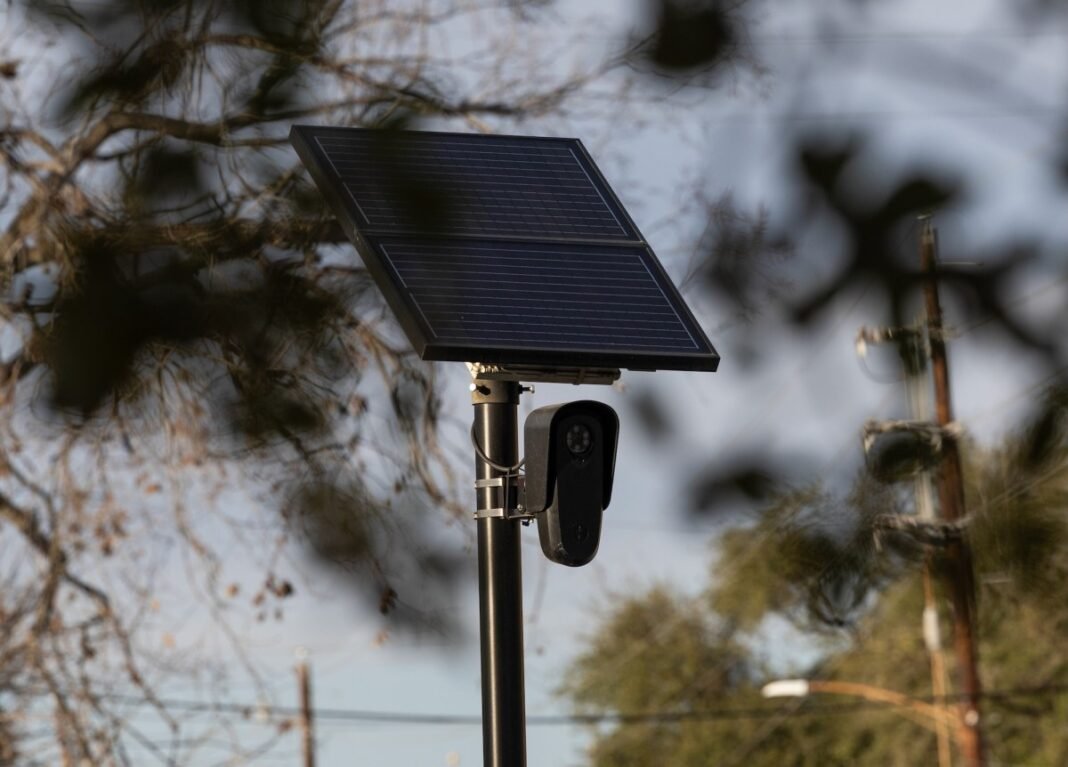
Across the United States, communities are increasingly challenging the presence of Flock’s license plate reader cameras, driven by growing fears about privacy violations and their use in immigration enforcement. These surveillance devices have sparked widespread discontent as many citizens view them as tools that facilitate federal deportation efforts.
The Expanding Reach of Flock’s Surveillance Systems
Flock Safety, a tech firm headquartered in Atlanta with a valuation surpassing $7.5 billion, produces license plate readers installed extensively throughout American cities and towns. Although the company claims it does not directly share data with Immigration and Customs Enforcement (ICE), numerous reports reveal that local law enforcement agencies frequently provide federal officials access to these surveillance networks and their databases.
Mechanics Behind License Plate Readers’ Tracking Capabilities
The technology captures high-resolution images of vehicle plates from tens of thousands of locations nationwide,allowing authorities to trace individuals’ movements almost instantaneously. This vast accumulation of location data has ignited concerns over mass surveillance practices and potential exploitation by government entities involved in immigration crackdowns.
Civic Resistance: From Policy Advocacy to Direct Action
While some city governments have responded by pushing for contract terminations with Flock due to privacy worries, frustrated residents have often resorted to more immediate measures when official responses lag behind public sentiment.
- In La Mesa, California, several Flock cameras were deliberately damaged shortly after city leaders voted against removing them despite vocal opposition during community forums.
- Oregon saw activists physically dismantle six license plate scanners; one device was defaced with graffiti stating “Hahaha get wrecked ya surveilling fucks,” reflecting strong anti-surveillance attitudes among locals.
- This wave of vandalism is not confined to the West Coast-similar incidents targeting these cameras have been documented from Connecticut through Illinois down to virginia.
A National Overview: Deployment Versus Rejection Trends
An independent tracker estimates nearly 80,000 license plate readers operate across America today. In response:
- A growing number of municipalities have formally rejected or terminated contracts involving Flock’s technology;
- certain police departments now limit or prohibit federal agencies’ access to their camera feeds;
- The ongoing debate weighs public safety advantages against civil liberties risks posed by widespread surveillance infrastructure deployment.
Lack of Clarity Surrounding Camera Tampering incidents
No clear information has been provided by Flock regarding whether it monitors or logs instances where its equipment is vandalized or destroyed since installation began. this lack of transparency complicates discussions about accountability within this rapidly expanding network of surveillance devices.
The Larger Picture: Community Pushback Meets Surveillance Innovation
This surge in opposition highlights a broader national dialogue on how emerging technologies intersect with critical issues such as privacy rights, racial equity, and immigration policy enforcement. As more communities scrutinize tools like license plate readers for misuse or unintended consequences, debates intensify over establishing appropriate boundaries on government monitoring powers within democratic societies.