Mobile App Industry Sees Revenue Surge Despite Falling Download Numbers in 2025
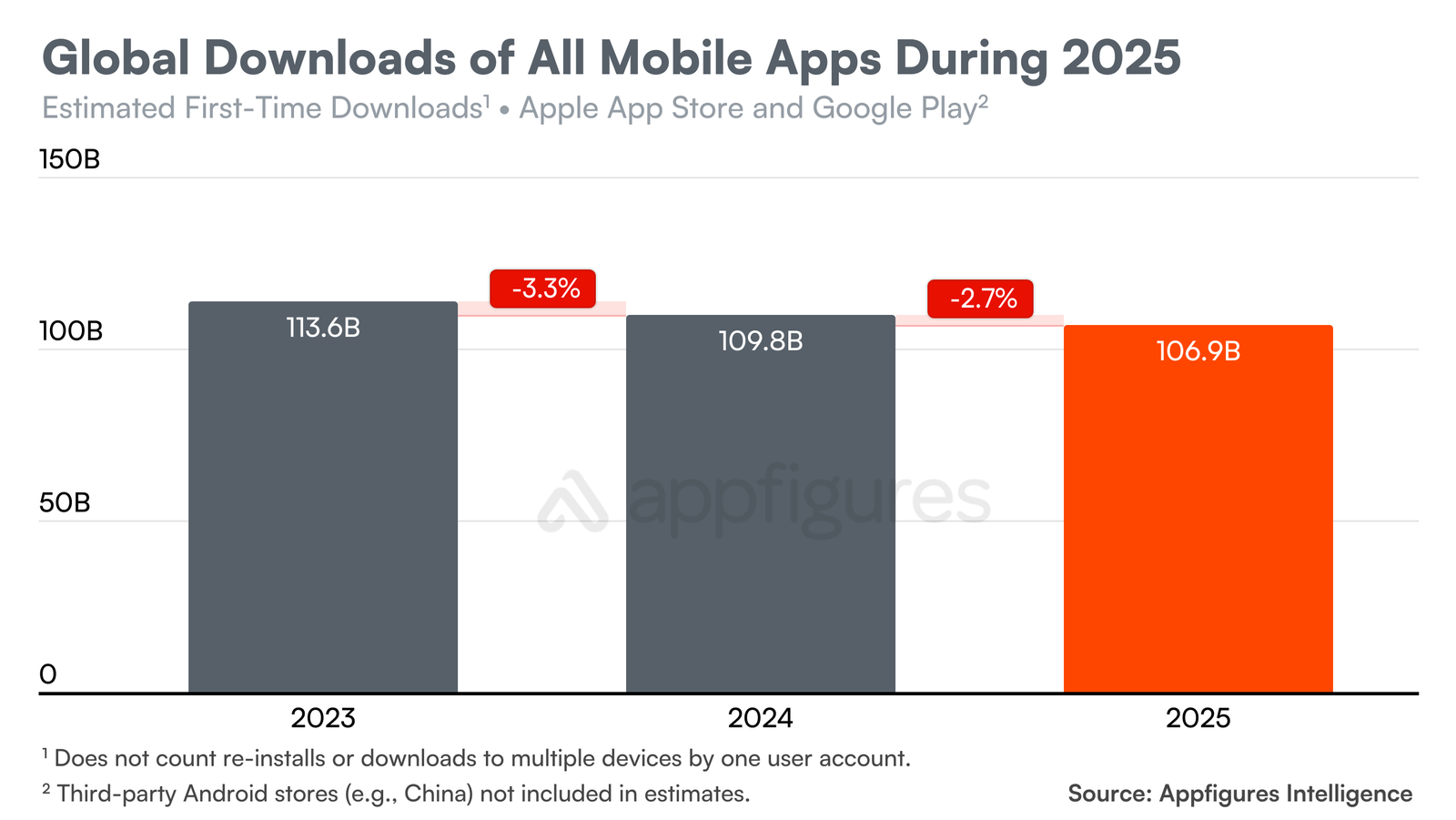
In 2025, the mobile app sector presented a striking contradiction: even though global app downloads declined for the fifth consecutive year, consumer spending on apps soared to unprecedented levels. Total downloads across leading platforms such as Google Play and the App Store dropped by approximately 2.7%,settling near 106.9 billion worldwide. Meanwhile, overall revenue from mobile apps surged by over 21%, reaching an estimated $155.8 billion globally.
Subscription Models and In-App Purchases Drive Revenue Growth
This remarkable increase in earnings amid shrinking download figures underscores a meaningful transformation in both user engagement and developer monetization tactics. Rather than focusing solely on acquiring new users, developers have shifted toward deepening relationships with existing customers through subscription services and enhanced in-app purchase options. This strategy has fostered more reliable income streams despite fewer new installs.
The Subscription Economy’s Role in Sustained Profitability
The rise of subscription-based revenue models has revolutionized how mobile applications generate income, moving away from one-off purchases or ad-dependent profits toward steady recurring payments. This shift not only benefits app creators but also fuels growth for companies specializing in subscription management and monetization optimization technologies.
- Chargebee: A platform streamlining subscription billing recently expanded its offerings to support SaaS businesses beyond mobile apps after securing $80 million in funding.
- Xsolla: Focused on empowering gaming developers to bypass traditional store fees while boosting revenues, this company raised $70 million during its latest investment round.
- Tune Labs: Providing advanced marketing analytics and monetization tools tailored for app publishers, Tune labs announced plans for an IPO reflecting strong market confidence.
Diverging Spending Trends: Gaming vs Non-Gaming Apps
The dominance of gaming as the primary source of mobile app revenue is gradually diminishing as non-gaming categories experience faster financial growth. in 2025, consumers spent roughly $72 billion on games-accounting for about 46% of total app expenditure-a solid increase of nearly 10% compared to the previous year.
Conversely,non-game applications saw their revenues climb by almost 35%,totaling around $83 billion worldwide last year alone. This surge is driven by rising demand for productivity software, streaming platforms, health & wellness apps, educational tools, and other utility-focused services that increasingly rely on premium features or subscriptions.
User Behavior Reflects Market Evolution
The decline in game downloads was notably sharper than that observed among non-gaming apps; game installs fell approximately 8.6% year-over-year following earlier drops exceeding six percent-signaling market saturation or shifting preferences within genres like casual games versus competitive esports content.
Non-game application downloads remained relatively stable with a slight annual increase close to one percent (1%), indicating sustained interest despite overall declines across all categories.
An Insight into U.S Mobile Market Dynamics
The United States mirrored global patterns but exhibited distinct characteristics worth highlighting:
- Total consumer spending reached an estimated $55.5 billion across all types of mobile applications-a robust rise exceeding 18% compared to just one year prior;
- Total U.S.-based app installations decreased roughly four percent (4%), dropping from about 10.4 billion down to nearly ten billion;
- User expenditure heavily favored non-gaming sectors: Americans spent approximately $33.6 billion on these apps versus nearly $22 billion dedicated toward games;
- This preference was reflected in download volumes too-with close to seven point one (7.1) billion non-game app installs contrasting against just under three (2 .9) billion game downloads nationwide during the last calendar cycle;
Sustaining Growth Through Monetization Innovation
“Transitioning towards recurring payments via subscriptions provides developers with predictable cash flow while enabling continuous product improvements,” industry experts observe regarding current trends.
navigating Future Challenges While capitalizing on Opportunities
The evolving landscape indicates that attracting fresh users remains significant; though, maximizing lifetime value through improved engagement strategies , including personalized content delivery or tiered subscription offerings will be essential going forward.
- Diversification Beyond Gaming: Developers are increasingly targeting emerging niches such as mental wellness technology or remote learning software where consumers show long-term willingness-to-pay.
- Ecosystem Support Services Expansion: Providers offering data analytics, subscription management, and payment optimization solutions are poised for continued growth.
- User-Centric Monetization Approaches: Avoiding disruptive advertisements while balancing free versus paid tiers can help maintain customer loyalty without alienation.