Global Aviation and Financial Markets Disrupted by Middle East Crisis
Major Air Travel Hubs Face Unprecedented Interruptions
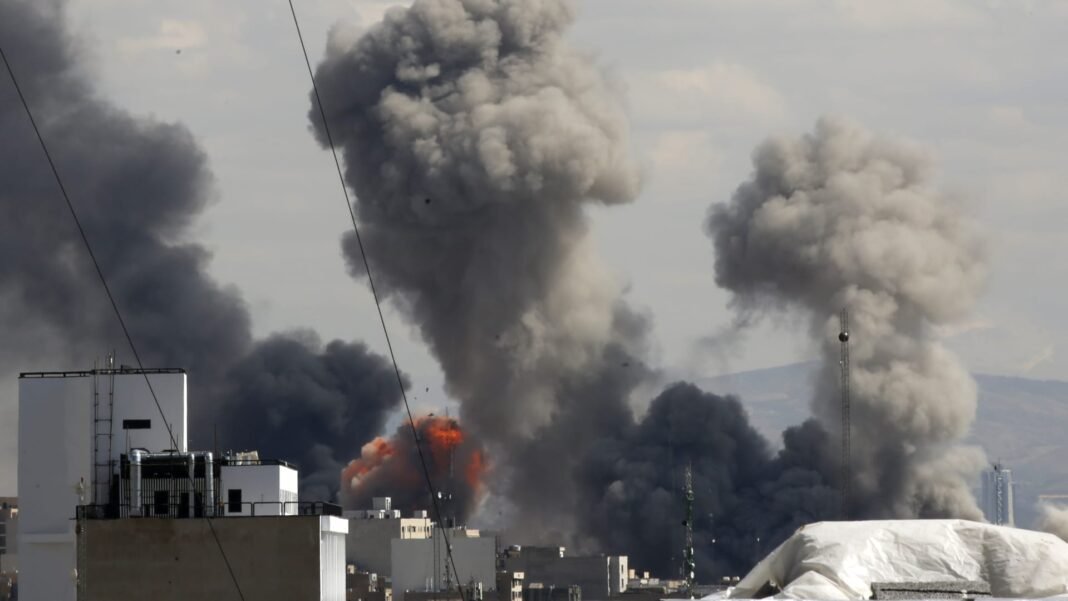
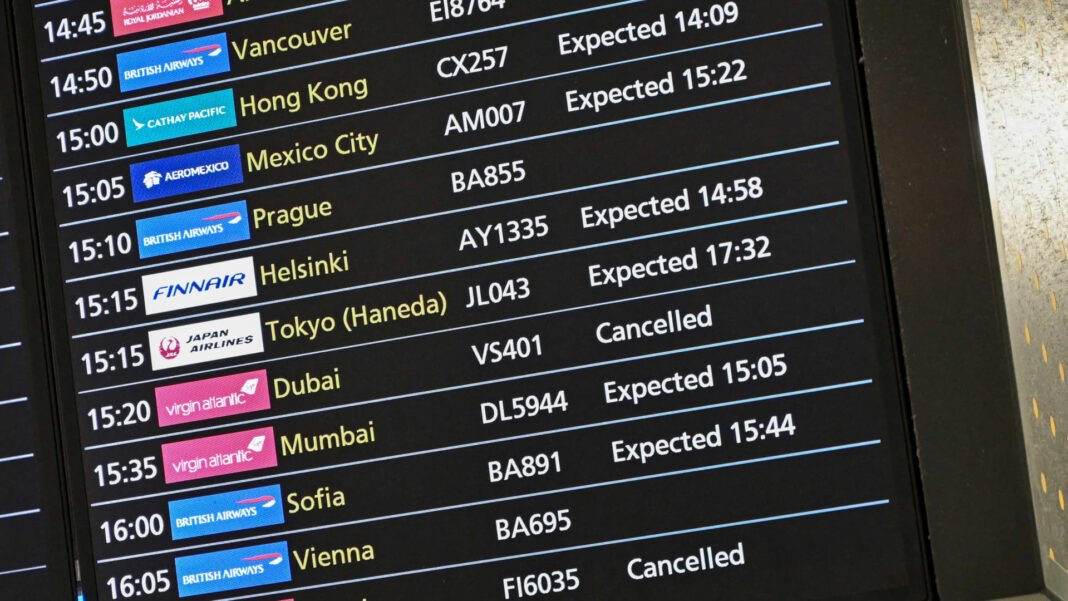
The escalating conflict in the Middle East has triggered significant disturbances across international aviation networks, rivaling the scale of disruptions last seen during the Covid-19 pandemic. Prominent airports such as dubai International and Hamad International in Doha were forced to suspend operations on March 1, following retaliatory strikes by Iran after U.S.and Israeli military actions.
Stock market Volatility Hits Airlines Hard
Shares of Asian airlines plunged sharply as investors reacted to widespread airspace closures and flight cancellations. Singapore Airlines experienced a steep decline exceeding 6%, while Japan’s ANA and JAL each dropped over 4%. Other carriers including Qantas from Australia,Taiwan’s Eva Air,and Hong Kong’s Cathay Pacific also saw their stock values fall by more than 3%,reflecting mounting concerns about soaring fuel costs alongside operational disruptions.
Rising Oil Prices compound Airline Challenges
The geopolitical tensions have fueled volatility in crude oil markets, with prices initially surging nearly 8% before stabilizing at elevated levels-west Texas Intermediate hovered near $70 per barrel while Brent crude settled around $76.50. This spike intensifies financial strain on airlines already navigating recovery hurdles post-pandemic.
Energy Sector Capitalizes on elevated Crude Prices
The surge in oil prices benefited energy companies across Asia. Australian firm Woodside energy gained approximately 5%, Japan’s Inpex recorded similar upward momentum, and China National Offshore oil Corporation advanced over 3%. These shifts highlight how geopolitical unrest can swiftly alter commodity market dynamics.
Defense Industry Sees Moderate Uptick Amid Rising Tensions
Securities linked to defense manufacturing posted modest gains amid regional instability. Japanese corporations Mitsubishi Heavy Industries, Kawasaki Heavy Industries, and IHI rose between half a percent to just above two percent. Singapore-based ST Engineering increased roughly 3%. Meanwhile, South Korean defense stocks remained inactive due to a national holiday closure.
Regional Equity Indexes Mirror Investor caution
- Nikkei 225: Fell about 1.25%, showing slight recovery from earlier declines.
- Topix: Dropped nearly 1.24% amid cautious trading sentiment.
- hang Seng index: Declined approximately 1.58%, pressured by geopolitical uncertainties.
- Mainland China CSI 300: Registered a marginal decrease close to 0.1% despite global market jitters.
- S&P/ASX 200 (australia): Slightly down around 0.22%, partially supported by gains in oil exploration and gold mining sectors.
Turbulence Spreads into U.S Futures Markets overnight
The impact extended into American financial markets through futures trading following weekend hostilities involving Iran: Dow Jones Industrial Average futures dropped roughly 517 points (around -1%), S&P 500 futures declined similarly near -1%, while Nasdaq 100 futures slipped just beyond that mark-signaling heightened investor unease ahead of regular session openings.
“This escalation underscores the fragility of global supply chains when geopolitical flashpoints ignite,” noted an industry expert tracking worldwide aviation disruptions.
A Wake-Up Call for Global Transport Resilience?
This crisis serves as a potent reminder that despite recovering passenger volumes nearing pre-pandemic figures-international air travel remains highly susceptible to sudden shocks caused by political conflicts or military confrontations along vital transit routes such as those traversing the Middle East today.