Avian Influenza Threatens Poultry Farms in British Columbia’s Fraser Valley
The Fraser Valley region of British Columbia is currently grappling with multiple outbreaks of avian influenza, affecting seven poultry farms, including six new cases reported just last Thursday. Local farmers are ramping up their protective measures to shield their flocks from this intensifying viral threat.
Enhanced Biosecurity Protocols Implemented Across B.C. Poultry Operations
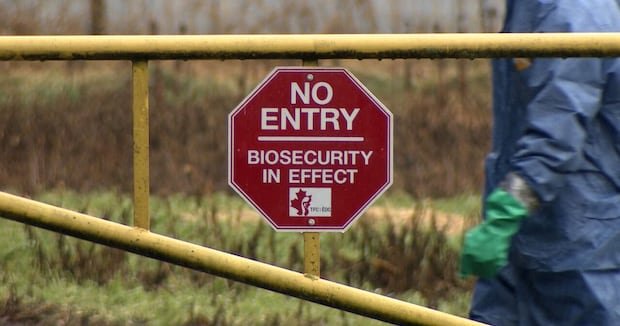
Poultry producers throughout British Columbia have adopted stringent biosecurity practices aimed at halting the spread of highly pathogenic avian influenza (HPAI). These include keeping birds indoors, restricting access to farm premises, thoroughly sanitizing all vehicles entering the site, and mandating that workers change into clean clothing and wear personal protective gear before accessing bird enclosures.
An Abbotsford-based egg farmer shared how these precautions have become a permanent part of daily operations. “Protecting our flocks has turned into a continuous challenge,” he remarked. “We rely heavily on disinfectants and strict entry controls to keep the virus at bay.”
The Emotional Impact on Farmers Facing Avian Flu Outbreaks
Reflecting on last year’s outbreak that forced him to cull his entire flock after exposure was confirmed, the farmer described it as a deeply painful experience. “losing every bird you’ve raised is devastating,” he said with sorrow.
Migratory Waterfowl: Key Carriers Driving Avian Influenza Spread
A spokesperson for the B.C. Poultry Association emphasized that migratory waterbirds such as ducks,geese,and swans serve as primary vectors for transmitting avian flu viruses during their seasonal journeys from Arctic breeding grounds down to southern winter habitats.
Situated along one of North America’s busiest migratory flyways, British Columbia’s poultry farms face elevated risks each migration season when wild birds can introduce HPAI strains despite rigorous biosecurity efforts.
Innovative research Seeks New Defenses Against Viral Transmission
Ongoing studies funded by provincial agencies are investigating cutting-edge solutions like advanced air filtration systems within poultry barns to block airborne viral particles more effectively.
“Current biosecurity measures considerably reduce infection chances,” noted the association representative,”but we continue exploring additional technologies that could further safeguard our flocks.”
Poultry Products Remain Safe for Consumers Despite Farm Outbreaks
A frequent concern among consumers is whether avian influenza compromises food safety; experts confirm it does not pose a risk in this regard.Canada maintains some of the world’s most rigorous food safety regulations ensuring chicken meat and eggs sold in stores remain safe even amid ongoing farm outbreaks.
The severe consequences for Local Bird Populations
Highly pathogenic strains typically cause near-total mortality among infected chickens and turkeys unless affected or exposed birds are swiftly culled to prevent further transmission.
This burden disproportionately impacts smaller family-run farms across B.C., many dedicated primarily to supplying fresh local poultry products within provincial communities.
The Expanding Crisis Since 2022: Massive Bird Losses due To Avian Influenza
The Canadian Food inspection Agency reports that over 8.8 million birds have died or been culled across British Columbia due to HPAI infections-representing more then half of all affected poultry nationwide since 2022 alone.
- This alarming statistic highlights why ongoing vigilance combined with innovative strategies remains crucial in managing avian influenza threats moving forward.
A Unified Effort Needed To Support Farmers And Protect The Industry
The intersection between natural wildlife migration routes and intensive agricultural production creates complex challenges requiring collaboration among farmers, scientists, regulators, and local communities.
If these partnerships strengthen alongside advancements in science-driven interventions,B.C.’s poultry sector will be better equipped to endure future outbreaks while continuing its essential role providing safe local food sources throughout the province.