



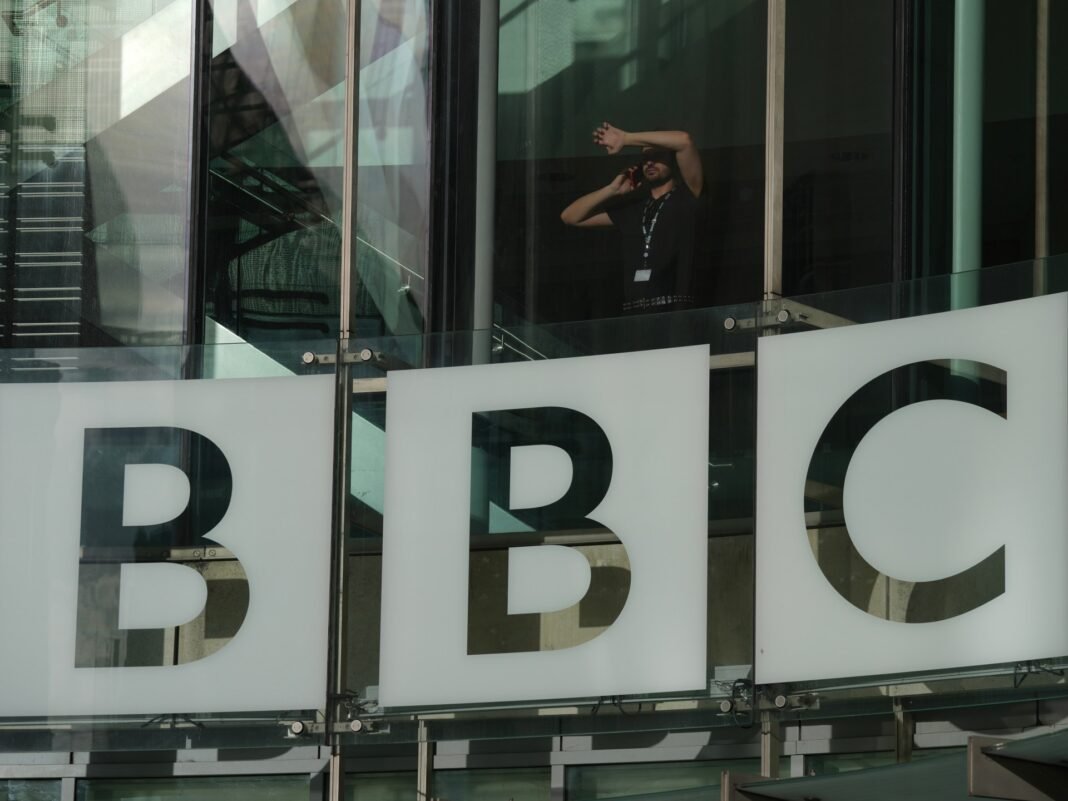
BBC braces for Defamation lawsuit from Former US President
The British Broadcasting Corporation is preparing to confront a defamation claim expected imminently from former US President Donald Trump, who alleges misrepresentation in one of its recent investigative reports.
Origins of the Dispute: The Controversial Documentary
The conflict stems from a BBC documentary titled Trump: A Second Chance?, broadcast in October 2024 just before TrumpS successful bid for a second presidential term. The program featured edited excerpts of Trump’s January 6, 2021 speech, merging statements made nearly an hour apart into a single segment that appeared to urge supporters to “fight like hell” during the Capitol riot.
Trump and his advocates contend that this editing distorted the original message. They point out that other parts of the speech called for peaceful demonstrations and encouraged support for lawmakers-elements critics say were omitted, resulting in misleading portrayal.
Internal Pressures Amidst Editorial Controversies
This legal challenge arrives as the BBC grapples with internal criticism over perceived biases in coverage on sensitive topics such as transgender rights and international conflicts. Earlier this year, an internal memo leaked revealing concerns about systemic editorial shortcomings within the organization.
The mounting pressure contributed to significant leadership upheaval: Director-General Tim Davie and Head of News Deborah Turness both stepped down recently. While acknowledging errors, they reaffirmed thier dedication to upholding public service journalism standards.
Apology Issued Without Admitting Liability
The BBC released a personal apology expressing regret over how footage was edited but firmly denied any basis for defamation claims. It confirmed it would not rebroadcast the documentary while maintaining confidence in its journalistic principles and editorial decisions.
A Pattern of Media Litigation by Donald Trump
This anticipated lawsuit fits into Trump’s broader history of pursuing legal action against media outlets he views as adversarial or inaccurate-even though many such cases have been dismissed due to First Amendment protections or insufficient evidence.
- In late 2024, ABC News agreed to pay $15 million after erroneously reporting that Trump had been found liable for rape rather than sexual abuse in civil litigation involving writer E Jean Carroll.
- CBS News settled last year with $16 million following disputes over editing an interview with Kamala Harris during her 2024 presidential campaign coverage on 60 Minutes.
- A separate defamation suit against The New York Times was recently refiled after prior dismissal by federal courts citing lack of merit under free speech laws.
The Implications for Public Broadcasters and Their Audiences
BBC Chair Samir Shah highlighted concerns about protecting license fee payers’ interests amid potentially expensive litigation. He stressed there is no legitimate foundation supporting these defamation allegations and affirmed readiness to mount a vigorous defence if necessary.
“Our stance remains firm: there is no basis whatsoever for this lawsuit,” Shah communicated internally.
“We are dedicated not only to defending our editorial choices but also preserving public trust.”
Navigating Legal Challenges Under U.S. Defamation Law
Legal experts note that winning defamation suits against news organizations remains difficult under American law due largely to robust First Amendment safeguards designed specifically to protect press freedom-especially when cases involve public figures like former presidents who must prove actual malice or reckless disregard for truthfulness.
A Recent Parallel Illustrating Media Litigation Dynamics
An instructive example occurred earlier this year when comedian John Mulaney filed lawsuits against several media outlets over false reports linking him inaccurately with criminal accusations; most claims were quickly dismissed as courts found insufficient proof of defamatory intent-demonstrating how judicial systems balance reputational harm claims alongside free expression rights today (as seen throughout early 2024).
Sustaining Journalistic Integrity Amid Political Pressure
The ongoing dispute between Donald Trump and the BBC highlights persistent tensions between political figures seeking redress through litigation versus media entities defending their editorial independence amid complex social narratives. As broadcasters face evolving challenges-from internal reforms through external lawsuits-their role as essential pillars supporting democratic dialog remains more vital now than ever before worldwide.


