Jeffrey R. Holland: A Foundational Leader of the Church of Jesus Christ of Latter-day Saints Passes Away
Enduring Influence and Leadership Within the LDS Church
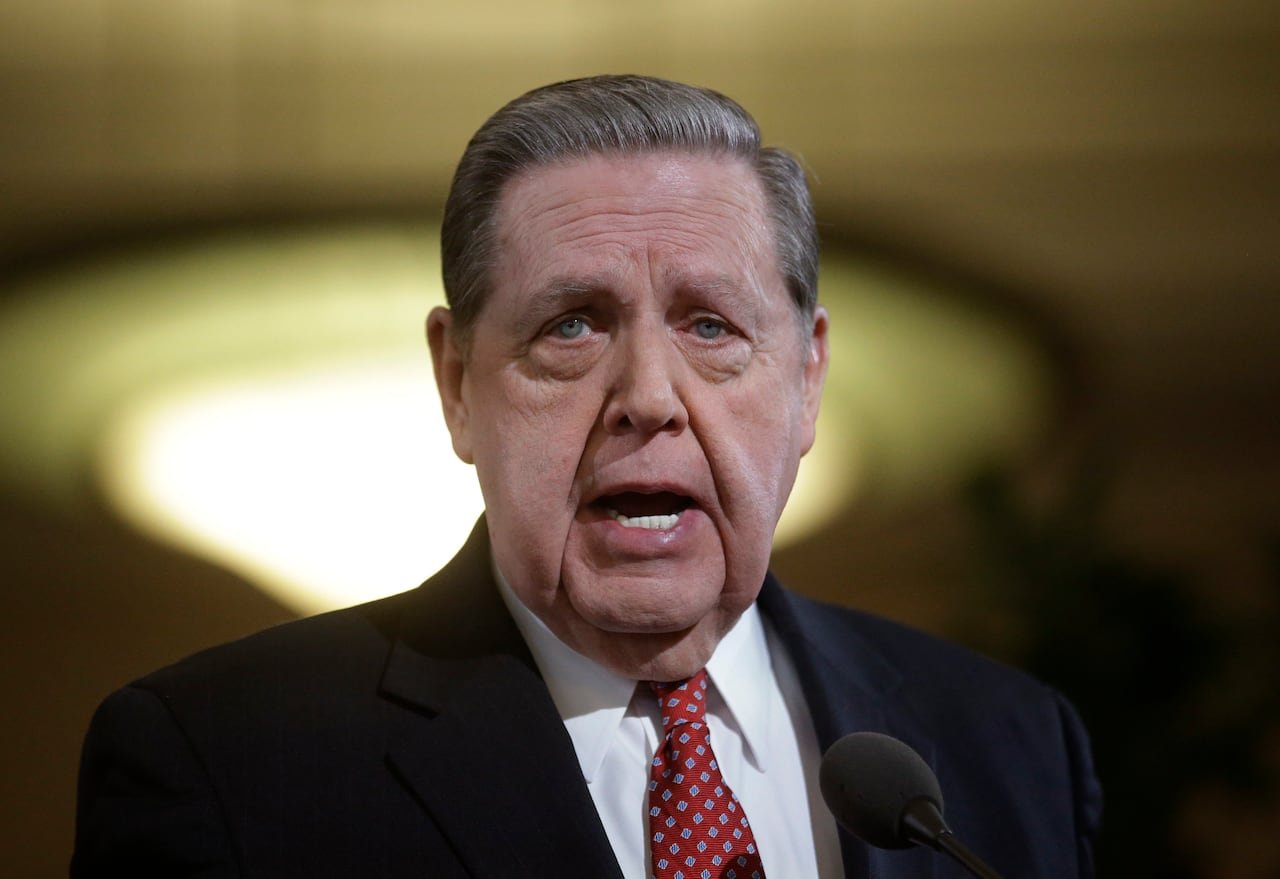
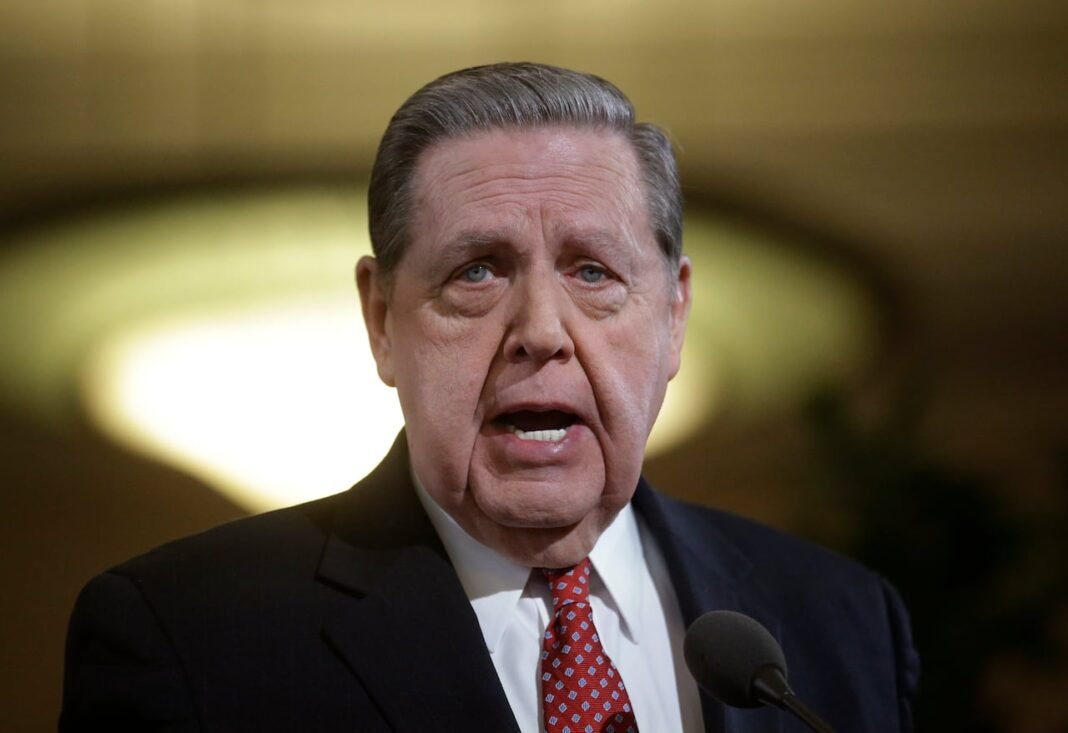
jeffrey R. Holland, a distinguished figure in the Church of Jesus Christ of Latter-day Saints and a leading candidate to become its future president, has died at 85 years old. His death early Saturday morning was attributed to complications from kidney disease, as confirmed by church representatives.
Beyond his spiritual role, Holland was a vital member of the Quorum of the Twelve Apostles-the church’s principal governing body responsible for directing policies and managing global operations. As the second longest-serving apostle after President Dallin H. Oaks, he stood next in line according to established succession traditions.
Health Decline and Final Moments
In recent months, concerns about Holland’s health became increasingly apparent. During public appearances last October, he was seen using a wheelchair-a clear indication that his condition had worsened considerably. This decline likely influenced leadership decisions when Oaks opted not to appoint him as a counselor later that year. Over the holiday season, Holland required hospitalization for ongoing treatment before passing away in Salt Lake City.
The Future Direction of Church Leadership
The vacancy created by holland’s passing will be filled soon through an appointment made by President Oaks from among senior leaders within the church hierarchy-apostleship remains exclusively male under longstanding doctrine.
This change places Henry B. eyring-aged 92 and one of Oaks’ closest counselors-as now first in line for presidential succession within this religious institution.
A Lifelong Commitment to Education and Interfaith Relations
Born and raised in St. George, Utah, Jeffrey R. Holland devoted much of his early career to educational leadership before rising into prominent ecclesiastical positions.
From 1980 until 1989 he served as president at Brigham Young University (BYU), where he actively promoted initiatives fostering interfaith dialog-a mission highlighted by founding BYU’s satellite campus in Jerusalem during his tenure.
This dedication earned him accolades from organizations focused on reducing religious intolerance through advancing Christian-Jewish understanding worldwide.
A Polarizing Moment: The “Musket Fire” Address
One notable episode defining his legacy is a speech delivered in 2021 urging members metaphorically “to take up muskets” defending conventional doctrines against same-sex marriage-a phrase that ignited widespread debate both inside LDS circles and beyond. Starting in 2024 this so-called “musket fire speech” became required reading for BYU freshmen, sparking concern among LGBTQ+ students who viewed it as exclusionary rhetoric amid shifting societal views on marriage equality globally.
A Cherished Family Legacy
Holland was preceded in death by his wife Patricia Terry Holland but leaves behind three children along with thirteen grandchildren plus several great-grandchildren who continue carrying forward aspects of his personal legacy-even if not always aligned with every public stance he took during his lifetime.
“His impact shaped faith-based education worldwide while influencing governance within one of America’s largest religious organizations.”