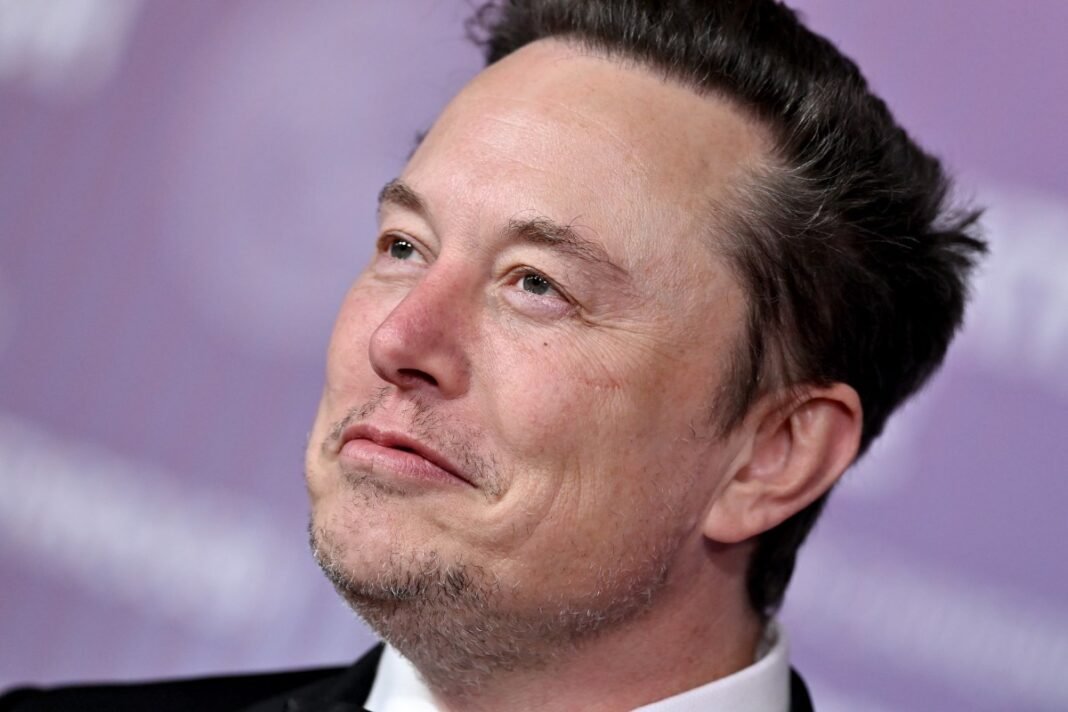
Elon Musk Seeks Up to $134 Billion in Damages in dispute with OpenAI
Origins of the Legal Battle
Elon Musk has initiated a lawsuit demanding damages between $79 billion and $134 billion from OpenAI and Microsoft, accusing the AI institution of abandoning its original nonprofit mission.Musk contends that OpenAI deviated from its founding vision, effectively defrauding him as a co-founder and early backer.
Financial Foundations Behind the Claim
The extraordinary damage claim is grounded in an expert valuation by C. Paul Wazzan, who specializes in complex commercial litigation involving company valuations. Wazzan’s analysis incorporates Musk’s initial seed investment of $38 million made at OpenAI’s inception in 2015, along with his technical guidance and strategic contributions during the startup’s formative phase.
Considering OpenAI’s current market valuation estimated near $500 billion, Wazzan argues that Musk deserves compensation reflecting returns exceeding 3,500 times his original stake.The claim attributes wrongful profits ranging from approximately $65.5 billion to over $109 billion to OpenAI itself, plus an additional demand against Microsoft-now holding a 27% ownership share-for between $13.3 billion and $25.1 billion.
The Scale of Wealth and Underlying Motivations
Musk’s legal team stresses his entitlement as an early investor to returns far beyond his initial capital input. Yet given Elon Musk’s personal net worth approaching an unprecedented $700 billion-making him currently the wealthiest individual worldwide-the lawsuit appears driven by factors extending beyond mere financial recovery.
This vast wealth disparity is underscored when compared with other tech magnates; for instance, Google co-founder Larry page ranks second globally but trails Musk by nearly half a trillion dollars according to recent billionaire assessments.
Recent Milestones Highlighting Influence
Tesla shareholders recently approved what stands as one of history’s largest executive compensation packages for Musk-a deal valued around one trillion dollars-emphasizing his commanding influence across multiple sectors well beyond artificial intelligence alone.
OpenAI’s Position Amid Rising Tensions
From OpenAI’s viewpoint, this lawsuit is perceived less as a legitimate financial dispute and more as part of ongoing harassment efforts against the company. They have warned investors about what they describe as “deliberately exaggerated” claims expected during upcoming court proceedings set for April in Oakland, California.
This legal confrontation unfolds just east of San Francisco amid intensifying global scrutiny on AI governance frameworks-a field where transparency regarding foundational commitments remains both crucial and contentious.
The Importance of Early Contributions Versus present Valuations
- Musk’s Initial Investment: Tens of millions invested at launch helped establish one of today’s most valuable AI enterprises.
- Technical & Strategic Role: Beyond funding, critical expertise shaped early product advancement trajectories within the startup surroundings.
- Evolving Corporate Landscape: Transitioning from nonprofit origins toward lucrative partnerships with major tech players like Microsoft complicates ownership rights significantly.
A Comparable Example: Equity Disputes Among Startup Founders
This case mirrors numerous high-profile conflicts where founders seek restitution after startups reach massive valuations following funding rounds or acquisitions-for example, disputes involving companies such as Airbnb or Palantir where early stakeholders challenged dilution effects amid multi-billion-dollar public offerings across global markets annually.
“This dispute transcends monetary value-it reflects fundamental tensions between preserving mission integrity versus pursuing aggressive commercial growth,” industry experts note while observing evolving trends within global artificial intelligence ecosystems.”
The Broader Implications for AI Industry Evolution
This lawsuit underscores persistent friction between innovation-driven ideals championed by pioneers like Elon Musk versus shifting business realities shaped by corporate alliances targeting rapid expansion amid fierce international competition-including China investing billions into generative AI technologies projected to create multi-trillion-dollar markets throughout this decade alone.
The verdict could establish critical precedents concerning intellectual property rights tied not only to capital investments but also knowledge contributions made during foundational stages-a debate increasingly relevant among Silicon Valley startups navigating similar crossroads today.