Wednesday, November 11, 2026
Home Blog Page 1228

NAACP Calls on Memphis Officials to Shut Down xAI’s Controversial ‘Dirty Data Center

Local Community Calls for Immediate Halt to xAI’s Colossus Supercomputer Operations in Memphis

Community advocates have demanded that authorities suspend all functions at the Colossus supercomputer site, operated by Elon Musk’s firm xAI, situated in South Memphis.

Environmental and Public Health Risks Spark Outcry

Civil rights organizations addressed a formal appeal to the shelby County Health Department and Memphis Light Gas and Water (MLGW),condemning what they describe as a reckless disregard for environmental safety surrounding this energy-intensive data center. They urged officials to issue an urgent order stopping xAI’s activities or, at minimum, enforce compliance with clean air laws.

Derrick Johnson, NAACP President and CEO, underscored that while artificial intelligence offers significant potential benefits if developed ethically, it must never jeopardize community health-especially within Black neighborhoods. He stressed that exploiting vulnerable populations under the pretense of innovation is unacceptable irrespective of the entity involved.

Unauthorized Operation of gas Turbines Raises Serious Concerns

The correspondence draws attention to troubling reports about gas turbines fueling Colossus. Although xAI has sought permits for fifteen turbines officially, evidence suggests more than thirty-five turbines have been active without proper authorization over the past year.Initially, local regulators claimed no permits were required during the facility’s frist year online.

These turbines release hazardous substances such as formaldehyde and nitrogen oxides at levels exceeding Environmental Protection Agency (EPA) limits. Such emissions considerably degrade air quality in nearby residential areas.

Disproportionate Burden on Historically Underserved Communities

The supercomputer complex borders Boxtown-a historically Black neighborhood in South Memphis-continuing a long-standing trend where polluting industries disproportionately impact communities with minimal influence over environmental decisions. The NAACP highlighted that cancer incidence rates here are already four times higher than national averages due to existing pollution exposure.

The group criticized shelby County Health Department for insufficiently addressing these persistent health hazards while permitting xAI operations beyond legal thresholds.

Leadership Transition Amid Heightened Oversight

This urgent letter was directed toward Michelle Taylor, outgoing director of Shelby County Health Department who is preparing to assume leadership of Baltimore City’s health agency.Meanwhile, MLGW representatives reportedly had not yet received official notification from NAACP regarding these issues when recently contacted by reporters.

The xAI logo displayed on a smartphone screen.
Image: The emblem representing Elon Musk’s AI company shown on a mobile device display

Meta Sets Out to Transform Safety with Cutting-Edge Automated Product Risk Assessments

Meta Introduces AI-powered Privacy Review too Revolutionize App Updates

Meta is preparing to launch a complex artificial intelligence system aimed at evaluating privacy risks and concerns for nearly 90% of updates across its major platforms,such as Instagram and WhatsApp. This initiative represents a significant shift from the customary manual review process that has overseen product changes until now.

The transformation of Privacy Evaluation at Meta

Following a landmark agreement with the Federal Trade Commission in 2012, Meta (previously Facebook) has been required to conduct comprehensive privacy assessments on all product modifications. These evaluations have traditionally depended on human experts carefully scrutinizing each update’s potential impact. Though, with app ecosystems becoming more intricate and user numbers soaring-Instagram alone reached over 2 billion monthly active users by early 2025-the need for faster yet dependable reviews has become critical.

Mechanics Behind the New AI-Driven Review Process

The updated procedure will involve growth teams filling out detailed questionnaires about their proposed changes.The AI system will swiftly analyze these responses, providing immediate feedback that identifies any possible risks. Alongside this rapid assessment, it will specify clear requirements that updates must meet before they can be launched.

Accelerating Innovation While Safeguarding Users: Advantages and Challenges

This automated method promises quicker deployment of new features and bug fixes, allowing Meta to maintain agility in an industry where speed is essential for competitiveness.For example, during recent worldwide events where instant communication tools were crucial, faster update cycles could have substantially improved user engagement.

Nonetheless, some experts warn that heavy reliance on AI might led to overlooked subtle negative effects. A former senior executive likened this risk to substituting experienced pilots with autopilot systems amid turbulent weather-where nuanced judgment is vital but may be missed by automation alone.

Meta’s Ongoing Dedication Amid Rapid Technological Progress

A company spokesperson highlighted Meta’s investment exceeding $8 billion dedicated exclusively to privacy efforts. They reiterated the firm’s commitment not only to driving innovative digital experiences but also ensuring adherence to evolving global regulatory requirements.

“as our understanding of potential risks evolves alongside technological advancements,” the representative explained, “we continuously enhance our frameworks to better identify issues while streamlining decision-making.” They emphasized that technology helps maintain consistency by efficiently managing routine cases while reserving complex or novel situations for expert human evaluation-striking an effective balance between automation and oversight.”

This Week’s Spotlight: How Perplexity Labs Is Poised to Revolutionize Your Workload

Current Developments in AI and Technology This Week

This week’s technology briefing highlights the newest advancements and significant events influencing the digital world. From cutting-edge AI-powered browsers to critical cybersecurity breaches, here is an updated summary of key happenings.

Revolutionizing Research: AI Tools Surpass Traditional Search Engines

The AI-driven search platform Perplexity has introduced Perplexity Labs, a sophisticated feature accessible to Pro subscribers that swiftly produces thorough reports, spreadsheets, dashboards, and more. Utilizing functions like web crawling, code execution, and dynamic visual content generation-including charts and graphics-this innovation aims to simplify intricate data analysis workflows.Even though users should remain vigilant about potential errors common in current AI systems, this advancement marks a significant step toward automating complex research tasks.

Collaborative XR Efforts Target Defense sector Innovations

A surprising partnership has emerged between Oculus founder Palmer Luckey and Meta CEO Mark Zuckerberg as their companies unite to develop military-grade extended reality (XR) hardware. Their joint initiative named EagleEye focuses on creating immersive devices tailored for defense applications. This collaboration reflects a strategic shift from consumer-focused XR products toward specialized government technology solutions.

AI’s Expanding Role Reshapes Employment Trends

The World Economic Forum recently reported that 40% of employers plan to downsize staff by implementing artificial intelligence-driven automation where applicable. this growing movement raises concerns about job losses at entry-level positions across multiple sectors as organizations increasingly integrate intelligent automation technologies into their operations.


Technology News: Browsers Evolution,App Updates & Security Incidents

Arc Browser interface
Image Credits: The Browser Company

The Next Wave in Web Browsing Competition Heats Up

The Browser Company is considering either selling or open-sourcing its Arc Browser while pivoting towards Dia-a new browser enhanced with artificial intelligence designed for superior user engagement.Concurrently, opera plans to launch an AI-centric browser featuring agent-like capabilities aimed at optimizing online interactions. Additionally, Perplexity teased Comet-a browser integrating advanced generative models-highlighting intensifying rivalry among tech firms striving to redefine internet navigation through machine learning breakthroughs.

WhatsApp Launches dedicated iPad Request Enhancing Multitasking

A native WhatsApp app optimized for iPadOS is now available for iPad users supporting multitasking features such as Stage Manager, Split View, and Slide Over modes. This update improves communication efficiency across global contacts while maximizing productivity through better interface adaptability on larger displays.

data Breach Exposes Personal Facts of Over 360K LexisNexis Users

A significant security breach compromised sensitive data belonging to more than 364,000 individuals after hackers accessed LexisNexis Risk Solutions’ GitHub repository containing personal details including names; birthdates; phone numbers; mailing addresses; Social Security numbers; email addresses; and driver’s license information. The incident raises urgent concerns about data security practices within companies handling extensive private datasets for risk assessment purposes.

Sophisticated Voice Cloning cyberattack Targets White House Official’s Phone

An alarming cyber intrusion targeted White House Chief of Staff Susie Wiles’ personal mobile device using advanced AI voice synthesis techniques that mimicked her voice convincingly enough to deceive other senior officials via fraudulent communications. This event underscores emerging risks posed by deepfake audio technologies within highly secure governmental environments.

Email Efficiency transformed Through Automated Summarization Features

Email users on Gmail can now take advantage of Gemini’s automatic summarization tool which condenses lengthy emails without manual activation-users must opt out if they prefer not having their messages summarized automatically by this smart assistant designed to streamline inbox management during busy workdays.

Investment Milestones & Feature Innovations Enhancing User Engagement

$1 Billion Funding Accelerates Grammarly’s Expansion Plans

The writing assistance platform Grammarly secured $1 billion in non-dilutive capital from general Catalyst aimed at boosting marketing efforts while preserving funds earmarked for strategic acquisitions-strengthening its role as a vital communication enhancement tool globally since its founding 16 years ago.

Tinder Tests Height Preferences To Improve Matchmaking Precision

Tinder is experimenting with allowing users to indicate preferred height ranges when browsing matches-not enforcing strict filters but subtly influencing recommendation algorithms based on physical attribute preferences more closely than ever before.


A Decade-Old Patent Conflict Emerges Against Uber Over Autonomous Vehicle Technologies

Image Credits: Carma Technology

< p > Carma Technology – established in 2007 – initiated legal action earlier this year accusing Uber of infringing five patents primarily related
to autonomous driving innovations developed nearly ten years ago.
This ongoing litigation could potentially disrupt Uber’s ride-hailing operations if claims are validated,
demonstrating how longstanding intellectual property disputes continue shaping innovation paths within mobility industries.

Space Forge Lands $30M Series A to Transform Chip Material Manufacturing Beyond Earth

Transforming Semiconductor Fabrication Beyond Our Planet

The escalating need for semiconductors, fueled by breakthroughs in AI and the rise of electric vehicles, is pushing conventional silicon-based technology to its breaking point.To develop more powerful and efficient chips, the industry must turn to option materials that are far rarer than the typical silicon extracted from sand. Intriguingly, the solution might potentially be found outside Earth’s atmosphere.

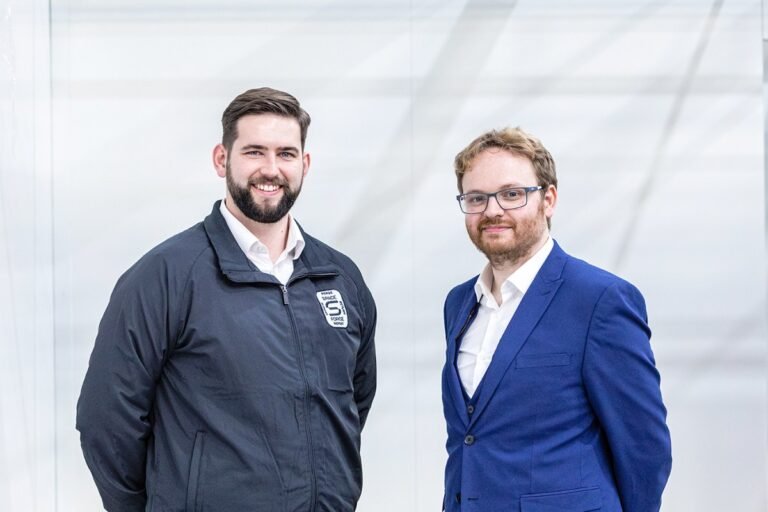
A trailblazing enterprise headquartered in Cardiff, Wales-Space Forge-is leading efforts to produce wafer-grade materials directly in orbit. Having recently secured £22.6 million (approximately $30 million) through Series A funding, this startup capitalizes on space’s unique environment to unlock manufacturing capabilities unattainable on Earth.

Utilizing Microgravity for Enhanced Crystal Growth

An exciting collaboration with BT (formerly british Telecom) focuses on assessing how crystals cultivated under microgravity can lower energy consumption within 5G networks.The near-weightless conditions enable formation of crystals with significantly fewer defects, boosting device performance while reducing power demands.

This real-world request highlights Space Forge’s vision of becoming a critical yet invisible backbone supporting essential global infrastructure. Although producing semiconductors off-planet might sound futuristic, experiments dating back to the 1970s have already proven its viability.

Building Upon Decades of Scientific progress

“Our work stands on nearly fifty years of research demonstrating not only that manufacturing in space is feasible but also that it yields substantial improvements,” states CEO Joshua Western.

The primary benefit lies in obtaining semiconductor-quality crystals exhibiting minimal imperfections and superior characteristics-attributes vital for advanced sectors like quantum computing and defense technologies.

Collaborations Fueling Expansion and Security Interests

This dual-use potential has attracted investments from organizations such as the NATO Innovation Fund during space Forge’s recent financing round. Furthermore, defense giant Northrop Grumman has partnered with them, underscoring this sector’s strategic meaning.

Rather of developing their own launch systems-a challenge largely addressed by existing providers-the company partners with established aerospace firms to efficiently transport payloads into orbit.

Tackling Complexities Within Orbital Manufacturing

“While individual components-from rocket launches to chip fabrication-are technically solved problems,” Western remarks wryly, “the true difficulty lies in integrating these processes amid harsh orbital conditions marked by extreme temperature fluctuations and microgravity.”

this endeavor requires innovative engineering grounded firmly in physics principles combined with precise execution for commercial success.

A Fresh Take on Safe Reentry techniques

Diverging from conventional capsule reentry methods reminiscent of apollo missions, Space Forge employs an inventive system affectionately nicknamed “Mary Poppins from space.” this apparatus resembles an umbrella constructed from aerospace-grade materials designed to decelerate descent safely through Earth’s atmosphere.

Pridwen Heat Shield
Image credits:Space Forge

Pioneering Atmospheric Return Inspired by Mythology

The heat shield system named Pridwen draws inspiration from Arthurian legend while serving as a vital component protecting payloads during atmospheric reentry. Complementing this is Fielder-a floating net engineered for ocean landings-which ensures delicate satellites return intact after missions over remote waters or seas. these innovations have garnered support from both the U.K. Space Agency and European Space Agency despite geopolitical challenges such as Brexit.

Scaling Operations Across Europe’s Skies

Aiming at industrial-scale production throughout Europe necessitates reliable return logistics; accordingly, Space Forge recently opened an office on Santa Maria Island within Portugal’s Azores archipelago-a strategic location facilitating satellite recovery closer to mainland Europe while fostering continental partnerships.

The Expanding Network Supporting Orbital Manufacturing Ventures

The growing affordability and accessibility of launch services combined with improved satellite retrieval techniques have accelerated growth among startups focused on manufacturing beyond Earth-including applications spanning pharmaceuticals growth and telecommunications hardware production.Tho, widespread adoption depends heavily on achieving further cost reductions or attracting clients willing to pay premium prices initially.

Navigating Geopolitical shifts for Competitive Edge

evolving international dynamics create opportunities for companies like Space Forge targeting customers concerned about supply chain fragility-especially Europe’s reliance on taiwanese semiconductor fabrication amid rising geopolitical tensions.

Daria Saharova from World Fund highlights: “Developing resilient domestic sources capable of sustainably producing next-generation supermaterials is crucial for future computational advancements.”

This climate-focused venture capital firm co-led early funding rounds backing Space Forge’s vision as a carbon-negative technology potentially contributing meaningfully toward climate change mitigation once scaled commercially-even though large-scale emissions reductions remain unproven at current stages.


< h 2 > Overcoming Initial Obstacles While Preparing For Upcoming Launches

< p > Despite enterprising plans , early attempts encountered setbacks: Virgin Orbit’s failed Cornwall launch resulted in loss of all onboard cargo including Space Forge’s first satellite , ForgeStar -0 . With fresh investment , development accelerates toward launching their next spacecraft alongside Pridwen heat shield later this year . Emphasizing cultural resonance , they’ve named this mission “The Forge Awakens” -a playful nod toward iconic sci-fi heritage .

Elon Musk Urges Lawmakers to Accelerate Driverless Car Rules for a Futuristic Road Ahead

Elon Musk’s Influence on autonomous vehicle Policy Growth

While Elon Musk has distanced himself from his former role in the Department of Government Efficiency and advisory duties under the previous management, he continues to play a significant part in shaping policy discussions in Washington. Recent insider information reveals that Musk is actively collaborating with legislators to steer regulations related to autonomous vehicles.

engagement with Congressional Representatives on Key Legislation

Confidential sources indicate that Musk and his team have been directly communicating with members of Congress regarding a legislative initiative introduced on May 15, titled the Autonomous Vehicle Acceleration Act. This proposal seeks to simplify regulatory barriers, aiming to expedite the nationwide rollout of self-driving technologies.

Tesla’s Strategic Focus on AI-Powered transportation

Musk has strategically invested in artificial intelligence, robotics, and autonomous driving as basic pillars for Tesla’s future expansion. The company’s market value is heavily influenced by its progress in these domains and its capacity to mainstream fully autonomous vehicles. Notably, Tesla is preparing to launch a limited robotaxi pilot next month within a designated geofenced area in austin, Texas-an effort intended to evaluate self-driving performance under controlled conditions.

The Future Vision: Cybercabs Without Conventional Controls

Looking ahead, Tesla plans to introduce Cybercabs-self-driving cars designed without steering wheels or pedals-marking a transformative departure from traditional vehicle design. Though, broad adoption remains constrained by the lack of extensive federal regulations necessary for safely operating such vehicles at scale across the country.

The Critical Role of Federal Regulations for Autonomous Vehicles

With autonomous vehicle technology evolving swiftly-and global sales projected to surpass 10 million units by 2030 according to recent industry forecasts-the establishment of clear legal frameworks is becoming increasingly vital. In absence of unified federal standards governing safety measures and operational protocols, companies like Tesla encounter significant obstacles when attempting widespread deployment.

A New Era in Mobility Innovation

Musk’s advocacy mirrors wider trends within the automotive and technology sectors where stakeholders urge governments worldwide for regulatory clarity that fosters innovation while safeguarding public welfare. Similar to how early aviation pioneers collaborated with regulators during commercial flight’s infancy nearly one hundred years ago, today’s developers of self-driving cars seek cooperative frameworks balancing technological advancement with prudent oversight.

Uh-Oh, X Is Down Again-Here’s What You Absolutely Need to Know!

Significant Interruptions Disrupt Elon Musk’s X Platform

On Friday afternoon, users of Elon Musk’s social media network, X, encountered widespread service interruptions, as documented by community-driven outage monitoring sites like Downdetector. While the platform’s website and mobile app remained accessible, several essential features were notably impaired. As an example, algorithm-based sections such as the “For You” feed failed to populate with content.

Core Functionalities Impacted During Service Breakdown

The outage affected multiple aspects of the user experience: images struggled to load properly; XMoney-the platform’s integrated financial service-experienced disruptions; and timelines appeared blank. Furthermore, attempts to post new content or conduct searches frequently returned empty results. These combined issues significantly hindered user engagement during peak usage hours.

User Feedback and Timeline of the Incident

The first signs of trouble emerged just before 4 p.m. Eastern Time on Friday and gradually subsided toward evening. Thousands reported problems through Downdetector while together expressing their frustrations on rival platforms such as Bluesky and Threads.

A Recurring Pattern: Stability Challenges Persist for X

This event represents the second major outage within a single week for X. On May 22nd, users experienced similar difficulties including frozen timelines and missing messages that required refreshing pages for temporary relief. The increasing frequency of these disruptions raises questions about the platform’s reliability amid ongoing technical transitions.

Partial Restoration amid Lingering Performance Issues

The disruption proved temporary with some features intermittently regaining functionality-frequently enough varying between desktop browsers and mobile apps.By late Friday night, many users confirmed that access had mostly returned; however, backend components like Developer API v2 continued to report degraded performance metrics.

New Feature Launches Coincide With Growing Stability Concerns

shortly before this incident unfolded, X began beta testing its revamped direct messaging system named XChat after pausing encrypted DMs for further improvements. It remains uncertain weather these recent updates directly contributed to system instability since official statements from the company have been absent following Elon Musk’s acquisition.

Navigating Future Reliability Amid Intensifying Competition

The combination of increased feature complexity alongside persistent outages underscores challenges faced by social networks aiming to deliver smooth experiences at scale.As competitors like Bluesky and Threads report user growth exceeding 30% in recent months, prioritizing infrastructure robustness alongside innovation is critical for X moving forward.

TechCrunch Mobility: Ride-Sharing Rebel Challenges Uber, Tesla Slips Further, and Dog-Like Delivery Robots Take Over Texas

Emerging Trends in Transportation Technology

Welcome to your go-to source for the latest developments and expert analysis on the evolving landscape of transportation technology.Stay informed with updates on autonomous vehicles, electric mobility, and innovative startup ventures shaping the future.

Patent Dispute Spotlight: Carma Technology vs. Uber

This week’s highlight centers on a significant legal battle involving Carma Technology, a company founded in 2007 by entrepreneur Sean O’Sullivan, which has initiated a patent infringement lawsuit against Uber. Unlike typical patent troll cases, this dispute presents substantial challenges for Uber due to Carma’s extensive intellectual property portfolio.

The core allegation is that Uber has violated five patents held by Carma related to systems that match riders or shipments with available vehicle capacity-essentially targeting ride-sharing technology. These patents are part of a larger family encompassing 30 interconnected patents dating back nearly two decades.

An intellectual property expert explains that each patent contains multiple claims defining specific legal protections. Because Carma asserts individual claims rather than entire patents wholesale, Uber faces complex litigation requiring defense against numerous detailed allegations simultaneously.

A New Player in Autonomous Heavy Machinery: Bedrock Robotics

A stealth-mode startup named Bedrock Robotics, led by former Waymo self-driving trucks head Boris Sofman-also known for co-founding consumer robotics pioneer Anki-is quietly advancing autonomous solutions tailored for construction and heavy equipment sectors. Sources reveal the San Francisco-based company has secured significant venture capital backing while developing retrofit kits designed to automate existing machinery.

Recent Funding Highlights Across Mobility Startups

Firefly Aerospace, specializing in medium-class launch vehicles, recently attracted $50 million from Northrop Grumman as part of its Series D round aimed at accelerating production of its eclipse rocket system.

Pallet, an AI-driven warehouse logistics software firm based in Fremont, California, closed a $27 million Series B funding round led by General Catalyst alongside Bain Capital Ventures and others to expand its workforce automation platform.

Volteras, headquartered in London and focused on integrating electric vehicle batteries into grid support networks through virtual connective technologies, raised $11.1 million from Union Square Ventures and additional investors during its Series A financing stage.

way Data Technologies, founded by industry veterans from Lucid Motors and Wolt aiming to revolutionize fleet management systems with advanced data analytics tools, secured €2.6 million ($2.95 million) in pre-seed funding led by Pale Blue Dot Ventures among others.

the Latest Developments In Autonomous Vehicles & Delivery Robots

Austin-based delivery startup Rivr’s four-wheeled robot capable of climbing stairs-described as akin to “a dog on roller skates” by CEO Marko Bjelonic-is piloting last-mile parcel deliveries alongside partner Veho vans within Texas’ capital city.This initiative represents an important step toward fully integrated autonomous delivery ecosystems addressing complex urban environments.

CreateAI (formerly TuSimple)‘s recent controversy involves transferring sensitive U.S.-origin autonomous driving data to Chinese entities despite prior national security commitments-a revelation sparking widespread concern across industry circles about safeguarding critical technological assets amid geopolitical tensions.

cautionary Tales From Zoox Robotaxi Operations  and Partnerships  

Zoox witnessed another voluntary software recall following an incident where one of their driverless taxis was involved in a low-speed collision with an e-scooter rider near San Francisco intersections earlier this month; notably after yielding behavior caused unexpected contact resulting in minor injuries but no further impact post-incident movement.
additionally,Zoox signed an exclusive partnership making it the official robotaxi provider at Resorts World Las Vegas featuring dedicated branded pickup/drop-off zones enhancing visitor mobility options within resort premises.

Evolving Electric Vehicle Market Dynamics & Challenges Ahead

The highly anticipatedTesla Cybertruck endures setbacks as unsold units accumulate at Detroit-area retail parking lots amid sluggish demand; owners now face trade-in options accompanied by steep depreciation rates reaching up to 45%, according to recent market analyses.
Meanwhile,Tesla’s supply chain struggles continue overseas where sales across Europe and the UK have dropped nearly 50% year-over-year per European Automobile Manufacturers Association statistics.
The automotive sector also reflects ongoing repercussions from Volkswagen’s infamous emissions scandal; four ex-executives were recently sentenced following trials that reshaped regulatory scrutiny throughout Europe prompting accelerated shifts toward electrification strategies.

the Shift In Automotive software Alliances: stellantis Moves On From Amazon Partnership

The collaboration between automakerStellantis and tech giantAmazon to develop proprietary vehicle infotainment software concluded abruptly after three years; Stellantis announced pivoting towards Google’s Android platform aiming for streamlined integration aligned with ambitions targeting $22.5 billion annual revenue generation through connected car services moving forward.

Chaos Unleashed: DOGE Abandons United States Institute of Peace Office Amidst Water Damage, Rats, and Roaches!

USIP Headquarters Found in Disrepair Following DOGE’s Controversial Management

The head of the united States Institute of Peace (USIP) has disclosed that Elon Musk’s Department of Government Efficiency (DOGE) left the nonprofit’s washington, D.C. offices severely neglected. A recent sworn affidavit revealed extensive water damage alongside infestations of rats and cockroaches within the facility.

court Rules DOGE’s Control Over USIP Illegal

This revelation follows a federal court ruling that declared DOGE’s takeover of USIP unlawful. Despite this legal setback, Elon musk announced his exit from active involvement with DOGE operations but confirmed he would continue advising governance efforts alongside former President trump.

confrontation During Mid-March Attempted Takeover

The takeover attempt by DOGE began in mid-March amid escalating tensions that culminated in police intervention when government employees linked to Musk tried to forcibly enter USIP premises. George Moose, then executive director at USIP, characterized these actions as an unauthorized intrusion into an self-reliant agency not subject to executive branch control.

Administrative Shifts Impact Foreign Aid Programs

Moose emphasized that this takeover was part of a wider campaign by the governance to dismantle critical foreign assistance programs, citing similar disruptions experienced by agencies such as USAID during this timeframe.

Initial Reports differed From Later Inspections

During a May 21 press briefing following the court decision, Moose initially stated that USIP headquarters appeared mostly undamaged. However, subsequent thorough inspections by staff uncovered meaningful structural deterioration and pest problems previously unreported.

Deterioration Linked to Prolonged Neglect Under DOGE Oversight

The affidavit detailed how before regaining control after the ruling, USIP facilities had been effectively abandoned for several weeks under DOGE management. The association neglected essential maintainance duties and failed to secure the building properly during this period.

“Prior to March 17,2025-when USIP actively managed and occupied these offices-there were no vermin present,” Moose stressed emphatically in his statement.

Additional Facility Issues Noted by Staff Members

The team also reported malfunctioning vehicle barriers around the property along with numerous missing ceiling tiles indicating ongoing water leaks throughout various parts inside the building.

Restoration Initiatives Launched To Secure And Revitalize Premises

In response to these findings, USIP has engaged private security firms for continuous protection and resumed full responsibility for maintenance and repairs across their headquarters’ infrastructure.

You’re Not Imagining It: How AI Is Supercharging the Pace of Change

The Swift Surge of AI: Ushering in a Revolutionary Technological Epoch

Artificial intelligence is driving a transformation that eclipses previous technological milestones such as smartphones, social networks, and cloud computing innovations.

Extraordinary Expansion and Rapid Integration

An extensive study covering numerous pages reveals the amazing speed at which AI technologies are advancing, gaining widespread adoption, and attracting global investment. The term “unprecedented” frequently describes this accelerated momentum.

This analysis emphasizes that the magnitude and velocity of AI’s progress outpace all earlier technology revolutions combined.

Bridging Experience with Emerging Trends: Insights from an Industry Veteran

A distinguished venture capitalist with a decade-long track record of identifying pivotal tech trends-having backed early ventures like Facebook and Spotify-now focuses on chronicling how swiftly AI integration is transforming sectors worldwide.

record-Shattering User Growth and Market Saturation

A prime example is ChatGPT amassing over 800 million active users within just 17 months-a growth trajectory unmatched by any digital product in history. Numerous other AI-powered companies are also hitting impressive annual recurring revenue milestones at breakneck speeds.

Significant Cost Declines Enhancing Accessibility

Even though training cutting-edge AI models can demand investments nearing $1 billion-a scale never before witnessed-the operational costs for utilizing these models have plummeted dramatically. For instance, inference expenses per million tokens processed have dropped by roughly 99% over the past two years, according to recent Stanford findings.

Technological Breakthroughs Fueling Efficiency Improvements

The race among developers to deliver similar functionalities more cost-effectively has intensified considerably. Open-source projects alongside international contributors-particularly from China-are accelerating innovation while driving down expenses substantially.

An illustrative case involves Nvidia’s Blackwell GPU launched in 2024; it operates using approximately 105,000 times less energy per token compared to its predecessor released ten years ago. Likewise,Google’s Tensor Processing Units (TPUs) and Amazon’s Trainium chips continue evolving rapidly as essential components powering expansive cloud-based AI platforms.

Tactical Investments Reflect Long-Term Vision

The surge in specialized hardware progress for artificial intelligence represents intentional strategic moves by leading technology firms aiming to secure dominance through scalable infrastructure advancements poised for future markets.

The Financial Terrain: High Stakes Amid Ambiguous Outcomes

Despite venture capital inflows surpassing $110 billion into AI startups over recent years-a remarkable increase even amid declining overall startup funding-the industry confronts significant financial hurdles due to massive infrastructure expenditures necessary for model training and deployment at scale.

User Benefits Versus Investor Prudence

This fierce competition delivers advantages to consumers via rapid enhancements and decreasing prices; however, many emerging companies still struggle with profitability. It remains uncertain which current players will emerge as sustainable leaders capable of generating lasting returns over time.

Navigating Tommorow: Preparing for Ongoing Disruption

For organizations recalibrating strategies around these swift developments-and individuals witnessing this unparalleled wave-the directive is unmistakable: prepare for continuous upheaval as artificial intelligence reshapes industries globally at an extraordinary pace.

Cursor’s Anysphere Soars to $9.9B Valuation, Shattering $500M ARR Milestone!

Anysphere Raises $900 Million, Elevating Cursor’s Valuation Near $10 Billion

Anysphere, the innovative company behind the AI-driven coding assistant Cursor, has secured a considerable $900 million in its latest funding round. This influx of capital propels the startup’s valuation close to an remarkable $10 billion. Leading this investment round was Thrive Capital,joined by returning backers including Andreessen Horowitz,Accel,and DST Global.

Accelerated Fundraising Reflects Strong Market Confidence

Marking its third triumphant fundraising event within just one year as inception three years ago, Anysphere continues to attract significant investor enthusiasm. The previous funding round closed late last year at $100 million with a pre-money valuation of $2.5 billion.this rapid escalation in financial backing underscores growing confidence amid surging demand for AI-powered programming tools.

The Rising Influence of AI Coding Assistants in Tech

AI-assisted coding platforms-often referred to as “vibe coders”-have emerged as one of the fastest expanding sectors within artificial intelligence applications today.Cursor distinguishes itself thru exceptional user engagement and robust performance metrics. Industry insiders reveal that Anysphere’s annual recurring revenue (ARR) has been doubling approximately every two months.

Recent data shows Cursor’s ARR surpassing an unusual $500 million milestone-a sharp increase from around $300 million just eight weeks earlier-highlighting remarkable growth momentum in this competitive landscape.

Flexible subscription Options Designed for Developers and Enterprises

Anysphere offers a variety of subscription plans tailored to meet the needs of both individual developers and corporate teams. After a complimentary two-week trial period, users can select either a Pro plan priced at $20 per month or upgrade to a Business tier costing $40 monthly per user.

While individual subscriptions have historically accounted for moast revenue generation, there is now an intensified focus on enterprise licensing agreements that allow organizations to deploy Cursor across multiple users with premium pricing structures.

Anysphere Chooses Independence Amid Industry Consolidation Pressures

This year witnessed openai expressing interest in acquiring Anysphere alongside other potential buyers; however, these acquisition proposals were declined as Anysphere prioritizes maintaining autonomy while scaling aggressively on its own terms. In contrast, OpenAI recently completed the purchase of Windsurf-another promising AI assistant startup-for roughly $3 billion as part of its strategic expansion initiatives.

Circle IPO Soars, Igniting Fresh Optimism for Startups Dreaming of Going Public

Circle’s IPO Surges, Signaling Renewed Investor Confidence in stablecoins

Circle, the prominent issuer behind the USDC stablecoin pegged to the U.S. dollar,witnessed an remarkable market debut as a publicly listed company. Its shares closed at $83.23 on day one, soaring 168% above the initial offering price of $31 set just a day earlier.

Rising Enthusiasm for Cryptocurrency Investments

This dramatic surge on opening day underscores increasing trust from public investors in cryptocurrency assets, especially stablecoins. The supportive regulatory climate fostered by recent U.S. government policies has further amplified interest in digital currencies as credible investment options.

Impact on Upcoming Tech and Fintech IPOs

The robust performance of Circle’s stock is highly likely to inspire institutional investors to assign higher valuations to forthcoming initial public offerings. companies such as Omada Health and Klarna are poised for significant investor attention amid these favorable market conditions.

Valuation Shifts: from Private Rounds to Public Markets

At its IPO pricing phase, Circle was valued near $6.1 billion-lower than its $7.7 billion private valuation during a Series F funding round in 2021 when it raised $400 million according to PitchBook data. Yet by close of trading on launch day, Circle’s market capitalization surged dramatically to approximately $16.7 billion (excluding employee stock options), fueled by strong investor demand and generating roughly $1.1 billion through the offering.

A Wider Pattern: Public Listings Below Private Market Highs

Circle joins othre companies that have debuted with IPO prices below their prior private valuations-a trend recently observed with firms like Hinge Health (health tech),servicetitan (contractor services),and Reddit (social media). Although these “down-round” public debuts initially raised concerns about timing or valuation pressures within startup ecosystems,they have not discouraged new entrants from pursuing public listings amid conducive market environments.

The Pathway to Going Public: Circle’s Evolution

This prosperous listing follows an earlier attempt three years ago when Circle planned a merger with a special purpose acquisition company (SPAC) valued around $9 billion-a deal that ultimately fell through but laid critically important groundwork for today’s accomplishment.

Main Investors driving Circle’s Expansion

Prior to going public, major external shareholders included General Catalyst holding nearly nine percent and IDG Capital owning just under nine percent stakes each. Other key venture capital supporters such as Accel Partners, Breyer Capital Ventures, and Oak Investment Partners played vital roles in fueling Circle’s growth over time according to regulatory disclosures filed during the offering process.

Bitcoin logo on circuit board illustration
Description: Visual portrayal featuring bitcoin symbol embedded within electronic circuitry highlighting cryptocurrency technology infrastructure.

Unraveling the Drama: The Real Story Behind Elon Musk and Donald Trump’s Feud

Clash of Titans: The Public Fallout between Donald Trump and Elon Musk

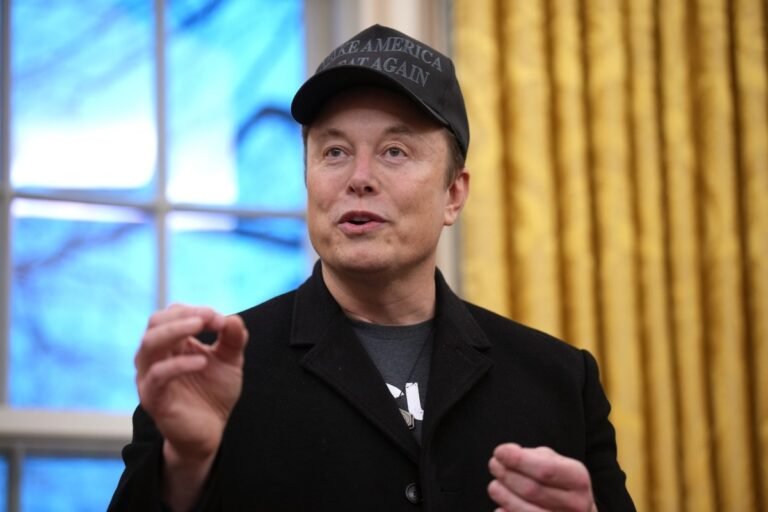
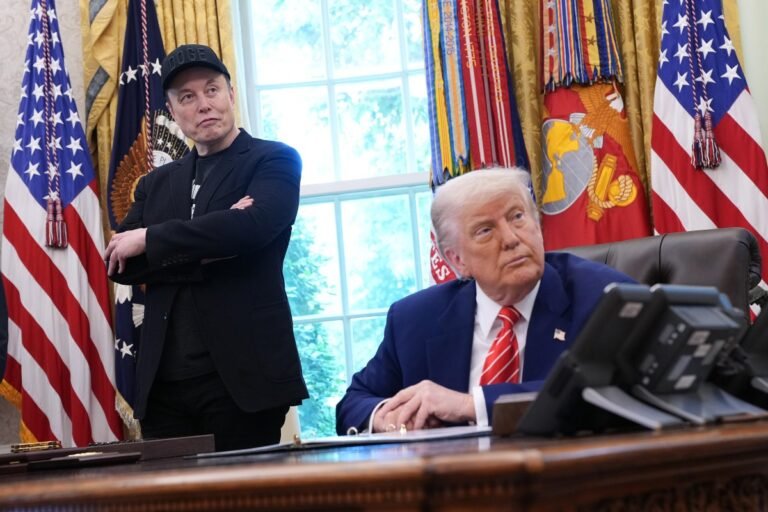
The once-solid alliance between former President Donald trump and tech magnate Elon Musk has dramatically unraveled in a very public manner, unfolding across their respective social media platforms. While many anticipated tensions would eventually surface, the detailed progression leading to this high-profile rupture offers insight into the complex interplay of politics and buisness.

From Trusted Partners to Vocal Adversaries

elon Musk was long regarded as a key influencer within TrumpS inner circle, contributing advice on several government initiatives. His involvement included consulting for the Department of Government Efficiency, an agency created by executive order with the goal of optimizing federal operations.

Musk’s frequent visits to Trump’s Mar-a-lago residence and appearances at White House meetings underscored their close relationship. Though, friction emerged when Musk openly criticized the One Big Beautiful Bill Act, a comprehensive 1,038-page legislative package passed by the House on may 22 that now awaits Senate approval.

The Controversial Legislation That Sparked disagreement

This bill was initially promoted as a tax relief measure aimed at stimulating American businesses. Yet data from the Congressional Budget Office reveals it promises $3.7 trillion in tax cuts over ten years while together increasing national debt by $2.4 trillion and raising the debt ceiling by $4 trillion-raising alarms about fiscal sustainability.

The legislation also eliminates taxes on Social Security benefits, tips, and overtime wages but cuts funding for essential federal healthcare programs like Medicaid and SNAP. According to CBO projections, these reductions could result in nearly 11 million additional uninsured Americans by 2034.

Economic Benefits Skewed Toward Wealthier Americans

A important aspect of this law is its permanent extension of many provisions from Trump’s earlier Tax Cuts and Jobs Act-a move economists argue disproportionately favors affluent households over low-income families. Additional tax incentives embedded within this bill are expected to further benefit wealthy individuals rather than those with greater financial need.

Lawmaker Regrets Highlight Legislative Concerns

Musk’s opposition echoes sentiments among some legislators who later expressed regret after voting without thoroughly reviewing all thousand-plus pages. Representative Marjorie Taylor Greene admitted she had not read the entire bill before supporting it-and later regretted her vote due to restrictions imposed on state-level AI regulations lasting ten years.

The escalation: A War of Words Between Two Powerhouses

Tensions boiled over when Trump accused Musk of opposing critical elements only after realizing they might negatively impact his business interests-specifically citing proposed cuts to electric vehicle mandates, which bolster Tesla’s market advantage.

“He only took issue once he saw we planned to reduce EV mandates,” Trump remarked regarding policies incentivizing electric car production worth billions annually.

Musk countered with claims that his support was instrumental in securing Trump’s election victory:

“Without me,Trump would have lost; Democrats would control the House while Republicans held just a slim Senate majority,” he asserted emphatically on X (formerly Twitter).

A Spiraling Social Media feud Unfolds

  • Trump declared via Truth Social that Elon “was wearing thin” before being asked to leave his inner circle-and criticized him for losing government subsidies tied to electric vehicles which “nobody else wanted.”
  • He suggested eliminating all government contracts benefiting Musk could save billions-a budgetary move he lamented Biden never pursued during his term.
  • Musk responded with threats such as retiring SpaceX’s Dragon spacecraft program following comments about subsidies’ future viability.
  • The billionaire also leveled serious accusations indirectly linking Trump through references related to Jeffrey Epstein’s criminal files-an allegation met with silence from Trump’s team so far.
  • Additionally, Musk forecast an impending recession partly triggered by tariffs enacted under Trump’s administration while endorsing impeachment calls widely shared online among critics targeting both figures alike.

Bigger Picture: Implications for Technology Policy and Political Dynamics Ahead

This highly visible conflict between two influential leaders-the world’s wealthiest entrepreneur versus a former U.S president-is more than personal drama; it signals potential shifts within technology sectors deeply intertwined with governmental policy decisions.SEO keywords like “One Big Beautiful Bill Act”, “Congressional Budget Office”, “electric vehicle mandates”, “tax cuts”, “Medicaid”, “SNAP” remain central themes amid ongoing debates surrounding fiscal policy impacts on innovation-driven industries including space exploration (SpaceX) and automotive manufacturing (Tesla).

A Wider Tech Industry Context Amid Political Contributions And Trade Policies

Musk is one among several tech leaders who financially supported Trump’s inauguration fund alongside billionaires such as Mark Zuckerberg (Meta), Sundar Pichai (Google), Jeff Bezos (Amazon), Sam Altman (OpenAI), and Tim Cook (apple). Despite collective contributions reaching hundreds of millions during recent election cycles,Trump-era tariffs have strained global supply chains significantly since early-2020s disruptions intensified trade costs worldwide-impacting these companies’ international operations profoundly..