Bank of England Maintains Interest Rates Amid Economic Ambiguity
Monetary Policy Committee’s Narrow Decision
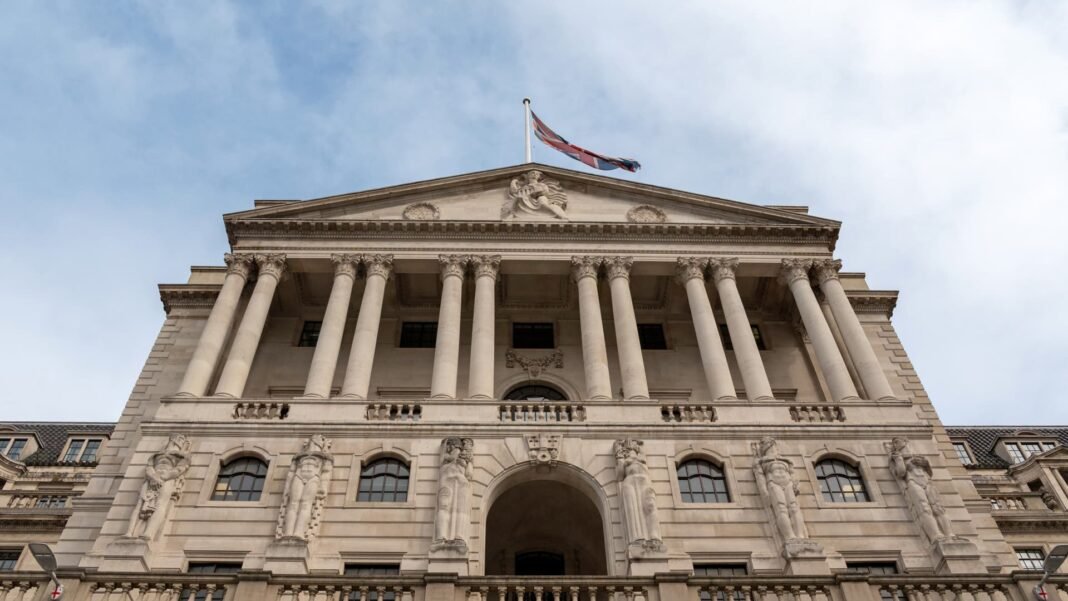
In its latest session, the Bank of England (BOE) chose to keep the Bank Rate steady at 4%, reflecting a cautious approach as the government’s Autumn Budget looms in late November. The vote was closely contested, wiht five out of nine members supporting no change and four advocating for a 25 basis point cut.
This tighter split contrasted with earlier forecasts anticipating a clearer 6-3 majority favoring rate stability. The close call underscores ongoing internal debate about when and how quickly monetary easing should proceed.
Governor hints at Imminent Rate Reductions
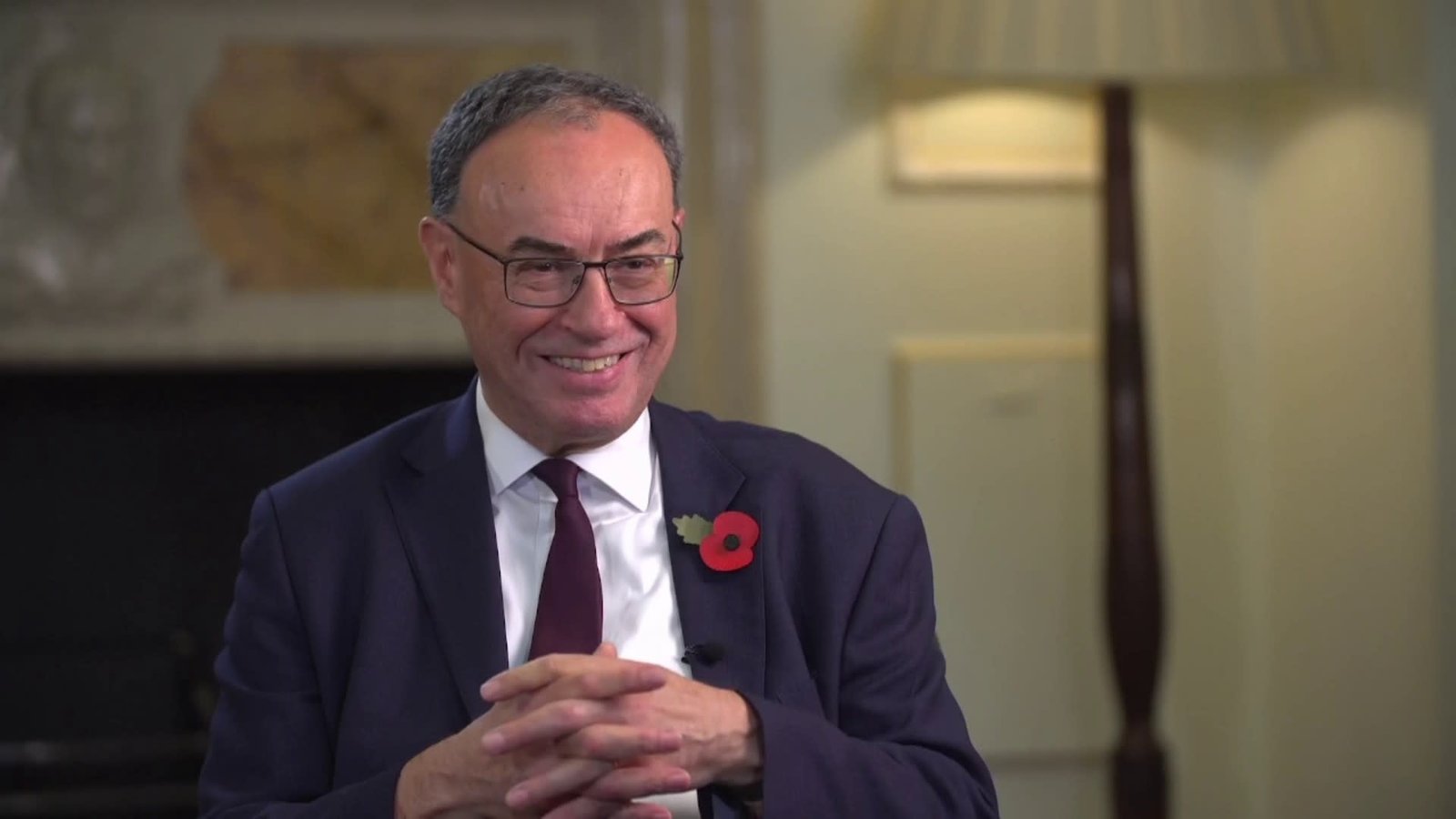
Governor Andrew Bailey signaled that interest rate cuts are likely forthcoming, with market expectations now pricing in potential reductions before Christmas. He stressed that although policy remains restrictive, it has passed its peak tightness after five consecutive cuts since August 2024.
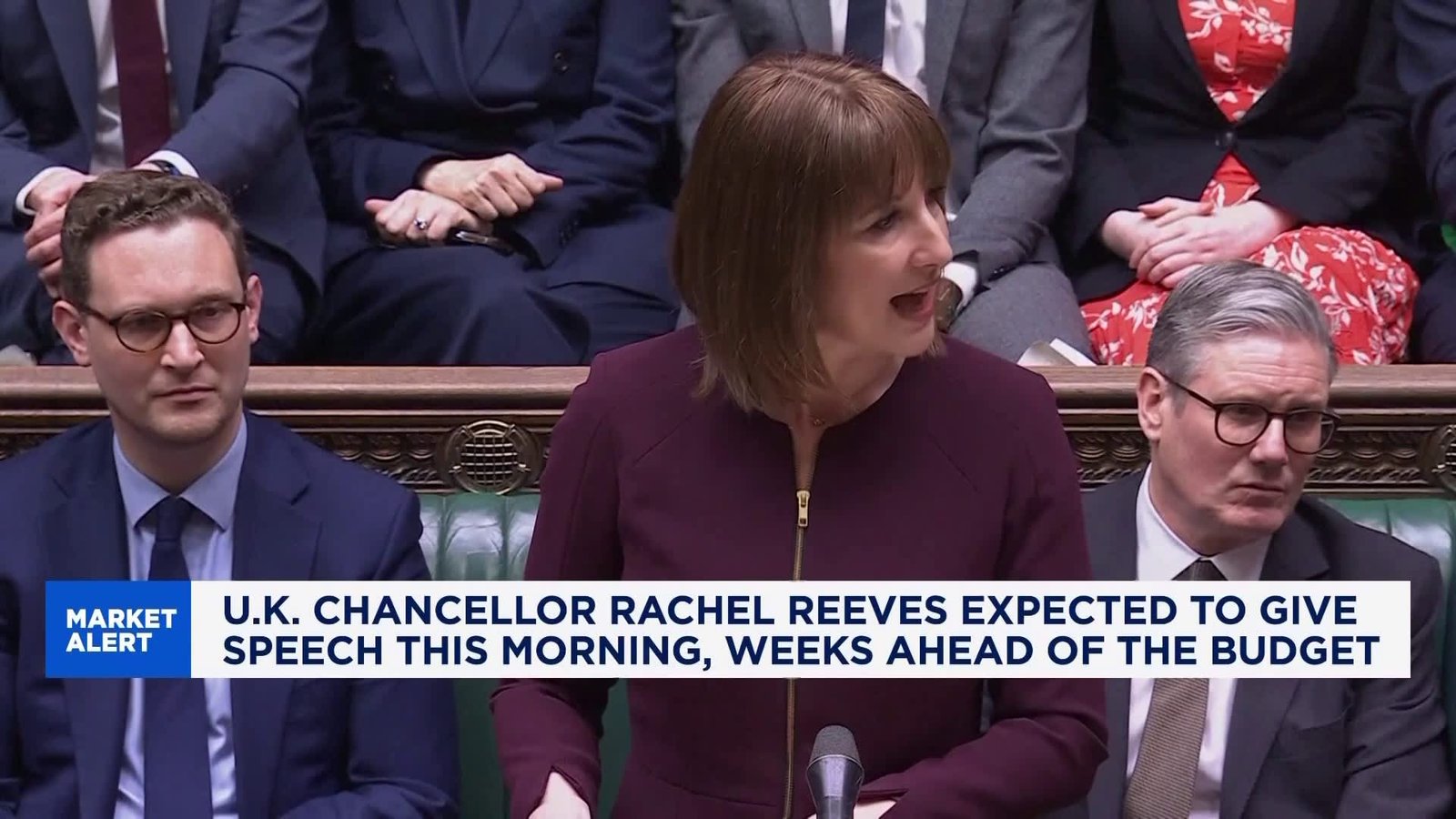
“We have moved beyond peak restrictiveness,” Bailey remarked, emphasizing that upcoming decisions will depend heavily on inflation data and labor market reports ahead of the final December meeting on December 18. Additionally, Chancellor Rachel Reeves’ budget proclamation will be factored into future assessments.
Signs Point to Easing Inflationary Pressures
The BOE reported inflation holding steady at 3.8% for September-the third month without change-indicating it may have reached its apex. A slow but steady disinflation trend appears underway, supported by modest wage growth and decelerating price increases within service industries.
This moderation is linked to weaker economic momentum alongside increasing slack in the labor market, which together reduce upward pressure on prices.The central bank cautioned that any further interest rate reductions hinge on how these inflation dynamics develop over coming months.
Key Economic Signals Favor Gradual Monetary Easing
- A slowdown in wage growth is helping ease consumer demand pressures;
- The labor market shows signs of softening but remains broadly resilient;
- Core inflation measures continue to decline amid GDP growth projections near 0.5% annually through mid-2026.
Divergent opinions Within Monetary Policy Committee
The recent developments suggest growing influence from “dovish” members within the MPC who advocate for earlier rate cuts rather then prolonged restraint. Analysts highlight notable merit in awaiting additional data releases-including two more Consumer Price Index (CPI) reports and updated labor statistics-before making further moves this year alongside fiscal updates from the government budget.
Bonds React as Markets Absorb Decision
The BOE’s announcement led to declines across UK government bond yields; notably, benchmark 10-year gilt yields dropped nearly three basis points instantly following news dissemination. Meanwhile, sterling trimmed earlier gains but still closed approximately 0.18% higher against the US dollar-reflecting investor optimism about prospective monetary easing balanced against uncertainties surrounding upcoming fiscal policies.
The Autumn Budget’s Role in Shaping monetary Policy Outlook
The proximity of this BOE meeting to Chancellor Rachel Reeves’ Autumn Budget added complexity to policymakers’ deliberations amid an estimated fiscal deficit ranging between £20 billion and £50 billion ($26-$65 billion). Tax hikes are widely anticipated as part of efforts to stabilize public finances amid sluggish productivity growth and rising debt servicing costs.
Potential Tax Increases could Influence Inflation Trajectory
If income tax rises or other revenue-generating measures materialize as expected, they could dampen consumer spending power further-thereby exerting downward pressure on inflation through reduced demand.
“Higher taxes would intensify existing challenges from elevated inflation and weak wage gains,” an economist noted-“potentially paving way for multiple rate cuts next year.”
Nearing End of Tightening Cycle: What Lies Ahead?
- Cautious pause: The current hold reflects prudence amidst mixed economic signals ahead of critical fiscal updates;
- Sooner Cuts Anticipated: Most experts expect gradual interest rate declines starting December if disinflation persists;
- Labor Market Monitoring: Rising unemployment or sustained wage softness could accelerate easing measures;
- Bigger Picture Considerations: Fiscal tightening via taxation may alleviate monetary policy pressures by curbing household spending;
- Evolving Strategy: Future decisions remain highly data-dependent with versatility prioritized over haste.
MPC Members Emphasize Data Over Rapid Action
An analysis highlights concerns among many MPC members regarding premature cuts without clear evidence supporting sustained downward trends in pay growth or core CPI services prices-the latter being key contributors behind persistent underlying inflation despite headline figures stabilizing near target levels around 4%, previously set by policymakers but now adjusted lower due to changing conditions).
“The question isn’t if rates will fall-it’s when,” saeid a senior strategist at UBS Global Wealth Management-“with declining inflation combined with weak economic expansion signaling eventual loosening.”