complexities and Debates Surrounding Interprovincial Alcohol Trade in Canada
Alcohol Sector Excluded from New National Trade accord
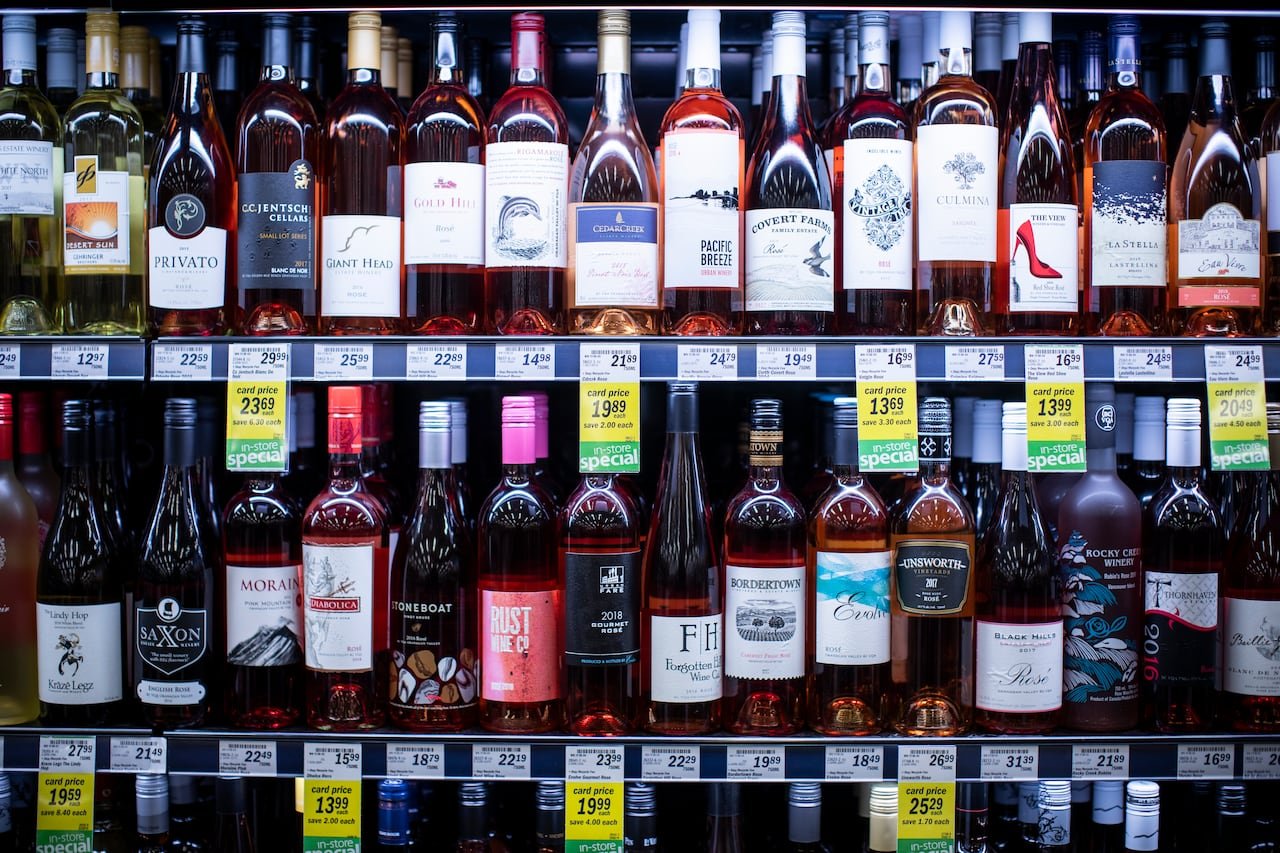
A recent nationwide agreement designed to remove trade obstacles between Canadian provinces notably left out the alcohol industry, causing frustration among manny producers and distributors. While the pact, supported by provincial governments, territories, and federal authorities, aims to streamline the flow of goods across provincial lines, it explicitly excludes food products and alcoholic beverages.
This omission has disappointed many stakeholders who have long advocated for more open interprovincial alcohol commerce.the timing is particularly difficult as canadian breweries and wineries contend with rising production expenses alongside evolving consumer preferences.
Ongoing Efforts to Break Down Alcohol Trade Barriers
The push to eliminate restrictions on alcohol movement between provinces has been underway for several years rather than a recent development. Industry representatives highlight incremental progress through agreements among nine provinces targeting improved direct-to-consumer sales by 2026; however, tangible outcomes remain limited.
“Our campaign for reform has spanned multiple years,” states a spokesperson from WineBC representing British Columbia’s winemakers. “Delays continue to hinder our growth prospects.”
Economic Challenges Intensify Industry struggles
The Canadian alcoholic beverage market faces numerous headwinds: younger generations are drinking less overall; inflationary pressures have increased costs of ingredients like barley and grapes; additionally, tariffs on packaging materials such as aluminum cans have raised expenses for brewers. These economic factors exacerbate difficulties caused by inconsistent regulations across provinces-such as varying labeling requirements-and additional shipping charges.
An executive at a Toronto-based craft brewery notes that while international markets face barriers due to trade tensions with the U.S., expanding domestically should be simpler-but it is not. Regulatory delays often result in products arriving on shelves months after production completion.
Provincial Disputes Over Alcohol Taxation Policies
Tensions persist between British columbia’s wine producers and Alberta’s government following Alberta’s imposition of a 10% ad valorem tax on imported wines earlier this year. This tax inflates prices for consumers purchasing out-of-province wines directly within Alberta-a move criticized by B.C.’s wine community as protectionist behavior undermining free trade principles within Canada.
“Eliminating these provincial barriers would enable smoother circulation of Canadian wines nationwide,” asserts an industry advocate from B.C.
The Political Economy Behind Maintaining Alcohol Restrictions
Economic experts specializing in trade policy suggest that provincial governments intentionally preserve exceptions like alcohol due to meaningful revenues generated through provincially controlled liquor retail systems such as Ontario’s LCBO or Quebec’s SAQ. For example, Ontario’s LCBO reportedly contributes around $2.5 billion annually in revenue-an amount likely influencing political resistance toward liberalizing interprovincial alcohol commerce fully.
“Alcohol sales operate almost like regional monopolies funding government budgets; loosening controls threatens these vital income streams,” explains an economist focused on Canadian trade policy analysis.
The Role of Local Producers Within Regional Economies
This expert also highlights how local beverage makers-from Nova Scotia distillers crafting unique spirits to Manitoba microbreweries supporting tourism-play crucial roles sustaining employment and regional economies. Provincial authorities often prioritize shielding these smaller industries from competition originating outside their borders despite potential advantages offered by broader market access nationwide.
A Multifaceted Challenge Without Immediate Resolution
The outlook remains cautiously pessimistic regarding rapid removal of interprovincial alcohol restrictions given the complexity involved coordinating policies across 14 jurisdictions with differing priorities:
- Diverse regulatory frameworks complicate efforts toward standardization;
- Economic interests tied closely to liquor retail monopolies discourage liberalization;
- Cultural attachment toward local products fuels opposition against external competition;
- Lack of unified federal leadership slows momentum significantly;
Looking Ahead: Prospects for Change Remain Uncertain but Possible
Certain provinces are working toward easing direct-to-consumer sales over the next few years-with regions like Newfoundland & Labrador tentatively exploring reforms under strict conditions-but full freedom of movement remains distant according to insiders.
“While eventual change is conceivable,” says an industry analyst,“current political realities make swift progress unlikely.”