Warren Buffett’s Evolving Investment Strategy: From BYD to Japan’s Trading Powerhouses
Closing the BYD Chapter After 17 Years of Partnership
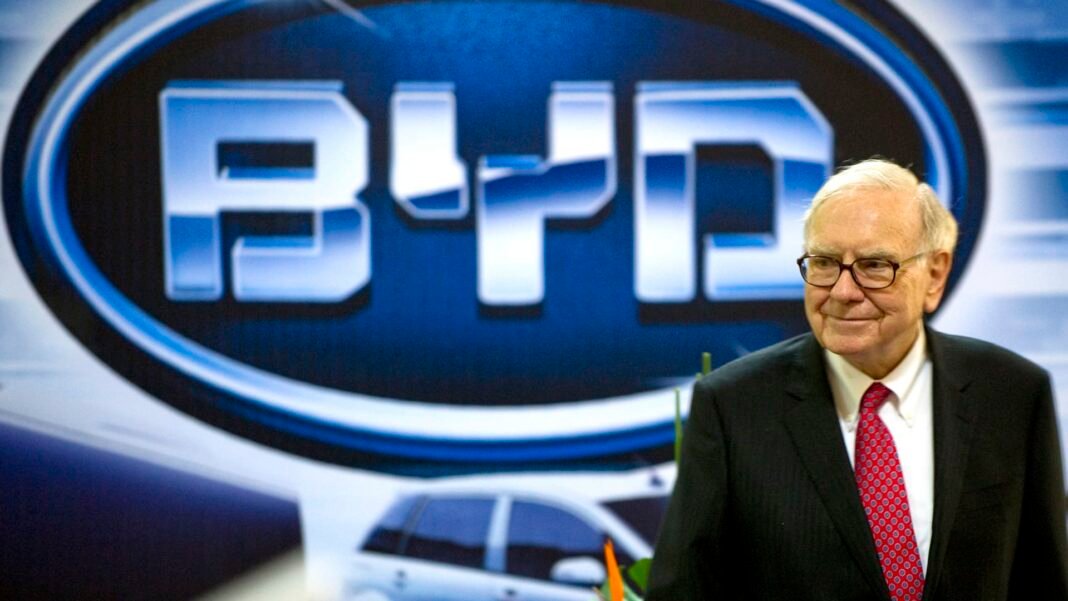
This year marked Berkshire Hathaway’s complete divestment from Chinese electric vehicle manufacturer BYD, ending an investment journey that began in 2008. The company publicly expressed appreciation for warren Buffett and Charlie Munger’s steadfast trust and support throughout nearly two decades.
BYD spokesperson Li Yunfei explained, “Starting in August 2022, Berkshire Hathaway gradually reduced its stake acquired back in 2008. By June this year, their ownership fell below five percent. Buying and selling shares is a normal part of investing. We value the long-term partnership with Buffett and Munger-thanks to everyone who believed in us.”
Strong Ties Remain Despite Divestment
BYD Executive Vice President Stella Li reiterated on CNBC Europe’s Access Middle East that Buffett and Munger held deep admiration for both the company and its leadership team. She clarified that portfolio rebalancing is a routine process rather than an indication of dissatisfaction with BYD.
A senior adviser highlighted Buffett’s remarkable return on investment, noting his initial capital grew approximately twentyfold-a clear example of Berkshire Hathaway’s strategy to invest early, foster growth, then realize profits strategically.
Market Response Highlights Investor Sensitivity
The announcement triggered a sharp reaction as BYD shares plunged over six percent on the hong Kong Stock Exchange shortly afterward. This drop illustrates how shifts by iconic investors like Berkshire can influence market sentiment considerably.

Berkshire Expands Holdings in Japan’s Leading Trading Companies Amid Global Portfolio Realignment
While reducing exposure to Chinese equities, Berkshire has been actively increasing stakes within Japan’s major trading firms known as “sogo shosha.” Recent disclosures reveal that Berkshire now owns more than ten percent voting interest in Mitsui & Co., following additional share purchases earlier this year.
Mitsui confirmed receiving official notification from Berkshire about surpassing this critically important ownership threshold but did not disclose exact share quantities. According to filings dated March 17th, Berkshire held roughly 285 million Mitsui shares valued at approximately $7.3 billion based on current exchange rates.
Mitsubishi Corporation Joins as Another Key Stakeholder
Berkshire also raised its stake in Mitsubishi Corporation from just under ten percent to about 10.2%, according to regulatory filings-signaling growing confidence in Japan’s diversified conglomerates amid shifting global economic conditions.
Berkshire Likely Surpasses Ownership Thresholds Across Other Japanese Firms
The investment giant holds ample positions in Itochu Corporation, marubeni Corporation, and Sumitomo Corporation-three other prominent trading houses where ownership levels are believed to have recently crossed or neared the critical ten-percent mark despite no formal announcements yet.
The Purpose Behind Introducing Class B Shares (1996)
A pivotal moment for Berkshire was launching Class B shares nearly three decades ago-a strategic move aimed at broadening stock accessibility while safeguarding control structures within the company. Warren Buffett explained these lower-priced shares enabled smaller investors’ participation without significantly diluting existing shareholders’ influence.

Berkshire Hathaway Portfolio Snapshot – September 26, 2025
- Mitsui & Co.: $7.3 billion valuation per recent filings;
- Mitsubishi Corporation: Stake increased beyond ten percent;
- Itochu Corp., Marubeni Corp., Sumitomo Corp.: Status likely above key thresholds;
- Diversified U.S.-based holdings: Continue serving as core portfolio components according to mid-year reports;
This evolving asset allocation demonstrates how Warren Buffett balances legacy investments with emerging opportunities across Asia-Pacific markets while maintaining robust U.S.-based holdings within his portfolio mix.
Navigating Market dynamics Through Strategic Repositioning
“Investing is fluid; acquiring assets today may lead to selling them tomorrow-not due to loss of conviction but because of strategic realignment,” industry experts observe when analyzing recent moves by one of history’s most successful investors.
A New Era for Warren Buffett’s Global Investment Focus
the gradual exit from China-based BYD contrasts sharply with expanding commitments across Japan’s influential trading houses-a shift reflecting adaptation amid evolving geopolitical landscapes and global market trends. Even tho some investors initially reacted nervously-as evidenced by declines in BYD stock-the broader approach exemplifies prudent capital deployment aligned with long-term value creation principles synonymous with Warren Buffett’s enduring investment ideology today.